
ZIP System vs. MgO Board: Which Sheathing Is Right for You?

Choosing the right materials is one of the most critical decisions in any construction project. While framing gets a lot of attention, the sheathing that covers it is just as important. Sheathing provides structural integrity, a nailing base for siding, and a crucial line of defense against the elements. Getting this choice right can impact a building's durability, safety, and energy efficiency for decades to come.
Two popular and innovative sheathing options on the market today are ZIP System sheathing and Magnesium Oxide (MgO) board. While both offer advantages over traditional plywood or OSB with house wrap, they are fundamentally different materials designed for different priorities. This guide will compare ZIP System and MgO board to help you decide which is the best fit for your next project.

What Is ZIP System Sheathing?
ZIP System sheathing is an engineered wood product that integrates a structural panel with a water-resistant barrier. Made by Huber Engineered Woods, it consists of an Oriented Strand Board (OSB) or plywood panel with a weather-resistant overlay bonded directly to its surface. Instead of using a separate house wrap, the seams between ZIP System panels are sealed with a specialized acrylic tape.
This all-in-one approach is designed to streamline the construction process while creating a highly effective air- and water-barrier. It has become a go-to choice in modern residential construction for its efficiency and reliable performance.
What Is MgO Board Sheathing?
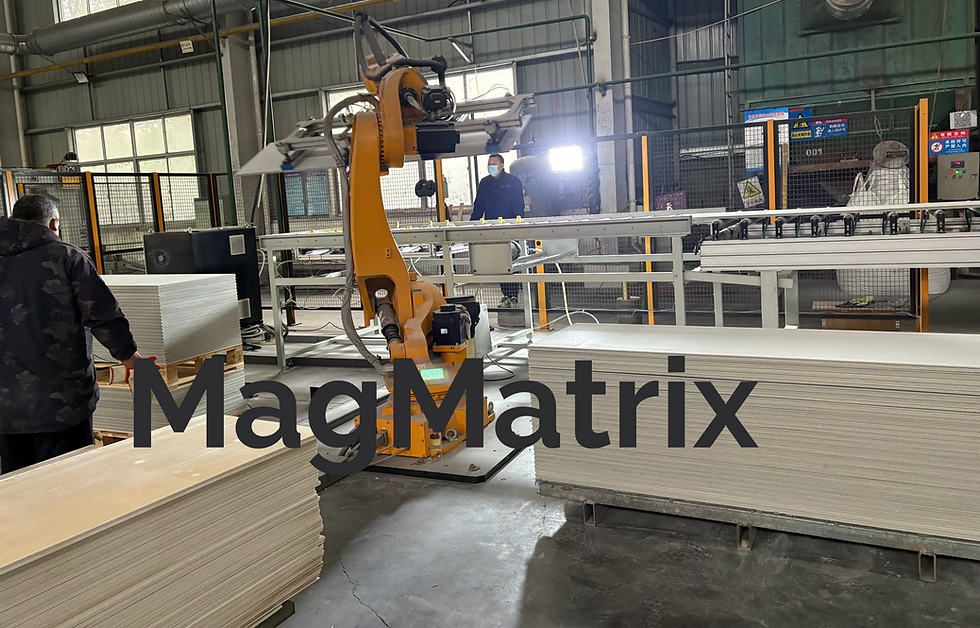
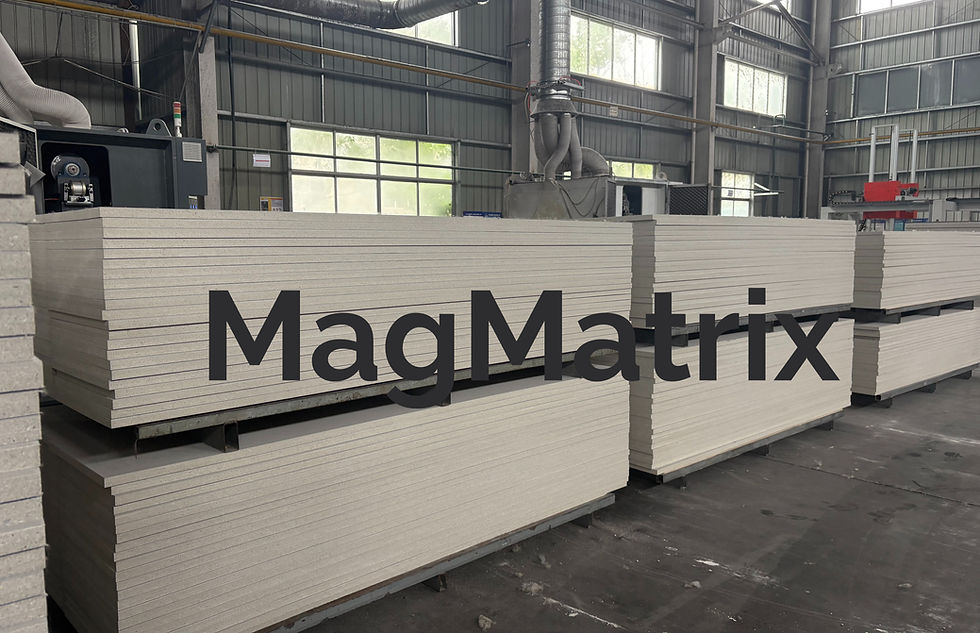
Magnesium Oxide (MgO) board is a type of sheathing made from a cement-like mixture of magnesium oxide, magnesium chloride, and other reinforcing materials, such as wood flour and fiberglass mesh. The result is a non-combustible panel that is highly resistant to fire, moisture, mold, and pests.
Unlike wood-based products, MgO board is a mineral-based sheathing. Its unique properties make it an excellent choice for projects where safety, durability, and resistance to harsh environmental conditions are the top priorities. It is frequently used in commercial buildings and residential projects that require enhanced performance.
Head-to-Head Comparison: ZIP System vs. MgO Board
Let's explore how these two materials stack up across several key categories.
Material Composition
ZIP System: At its core, this is a wood-based product. The structural panel is either OSB or plywood, providing the panel's strength. The outer layer is a specially formulated water-resistant barrier that sheds bulk water.
MgO Board: This is a mineral-based, cementitious board. Its primary ingredient, magnesium oxide, produces a stone-like material that is fundamentally distinct from wood. This composition is the source of many of its key advantages, such as fire and mold resistance.
Weather and Moisture Resistance
Both products offer excellent moisture protection, but they do so in different ways.
ZIP System: Its primary defense is the integrated weather barrier, which acts like a built-in rain jacket for the building. When properly taped at the seams, it creates a continuous, airtight, and watertight seal that prevents both bulk water intrusion and air leakage. However, if the outer barrier is compromised, the underlying wood panel can be susceptible to moisture damage over time.
MgO Board: This material is inherently resistant to water. It does not swell, rot, or delaminate when exposed to moisture. Because it is inorganic, it also does not support mold or mildew growth. This makes it an exceptional choice for humid climates, coastal areas, or any application where moisture is a significant concern.
Fire Resistance
This is one of the most significant differences between the two materials.
ZIP System: As a wood-based product, ZIP System sheathing is combustible. While it meets standard building code requirements for residential construction, it does not offer inherent fire resistance.
MgO Board: MgO board is non-combustible and provides outstanding fire resistance. Many MgO panels carry a one-hour or two-hour fire rating, meaning they can help contain a fire and prevent its spread for a significant period. This makes it an invaluable material for multi-family housing, commercial buildings, and homes in fire-prone areas.
Durability and Strength
Both materials are strong, but their durability profiles differ.
ZIP System: It provides the structural racking strength needed for wood-framed walls and roofs. It is designed to withstand the rigors of a construction site and exposure to weather during the build.
MgO Board: MgO board is extremely durable and resistant to impact, insects, and rot. It is a heavier and more rigid material. However, it can also be more brittle than wood panels, requiring careful handling during installation to prevent cracking or breaking.
Ease of Installation
ZIP System: A key selling point for the ZIP System is its installation speed. By combining sheathing and a weather barrier into one product, it eliminates the step of installing house wrap. Workers simply install the panels and tape the seams, which can significantly shorten project timelines. It uses standard fasteners and tools.
MgO Board: Installation is more labor-intensive. MgO boards are heavier than their wood counterparts, which can make them more difficult to handle. They also require specialized fasteners (typically corrosion-resistant screws) and carbide-tipped blades for cutting. The dust generated during cutting can also be a concern for worker safety.
Cost Comparison
ZIP System: The upfront material cost for ZIP System panels is higher than for traditional OSB and house wrap. However, some of this cost can be offset by reduced labor time. It is generally considered a mid- to high-range sheathing option.
MgO Board: MgO board is typically one of the more expensive sheathing options on the market. Its premium price reflects its high-performance characteristics, particularly its fire resistance and durability. The specialized tools and fasteners required for installation can also add to the overall project cost.
Which Sheathing Should You Choose?
The right choice depends entirely on your project's specific goals, budget, and local building requirements.
Choose ZIP System Sheathing if:
Speed is a priority: The 2-in-1 system can significantly accelerate your project's dry-in phase.
Energy efficiency is a key goal: The taped seams create a superior air barrier, which can lead to lower energy bills.
Your project is standard residential construction: For most single-family homes, ZIP System provides an excellent balance of performance and cost-efficiency.
Choose MgO Board Sheathing if:
Fire safety is your top concern: For commercial buildings, multi-family residences, or homes in wildfire-prone regions, the non-combustible nature of MgO is a critical advantage.
You're building in a high-moisture or coastal environment: Its resistance to rot, mold, and pests makes it ideal for harsh climates.
Long-term durability is paramount: If you are building for maximum resilience and longevity, MgO board is an investment in the building's future.
Conclusion
Both ZIP System sheathing and MgO board represent significant advancements in building science. ZIP System offers an intelligent, efficient solution for creating a weather-tight, energy-efficient building envelope in typical construction scenarios. MgO board provides an unparalleled level of safety and durability, making it the superior choice for projects that demand high performance in fire, moisture, and other environmental conditions. By evaluating your project’s specific needs against the strengths of each material, you can make an informed decision that will protect your investment for years to come.
www.jinpenggroups,cn
Comments