
The Future of Construction: Inside Magnesium Oxide Board Manufacturer -- MagMatrix Brand

Construction materials are undergoing a quiet revolution. For decades, builders relied heavily on traditional options like drywall, plywood, and cement board. While these materials have served their purpose, they often come with significant trade-offs regarding fire safety, moisture resistance, and environmental impact.
Enter Magnesium Oxide (MgO) boards. This advanced building material is rapidly gaining traction worldwide, offering a solution that addresses the critical weaknesses of its predecessors. However, the quality of these boards depends heavily on the manufacturer's technology and precision.
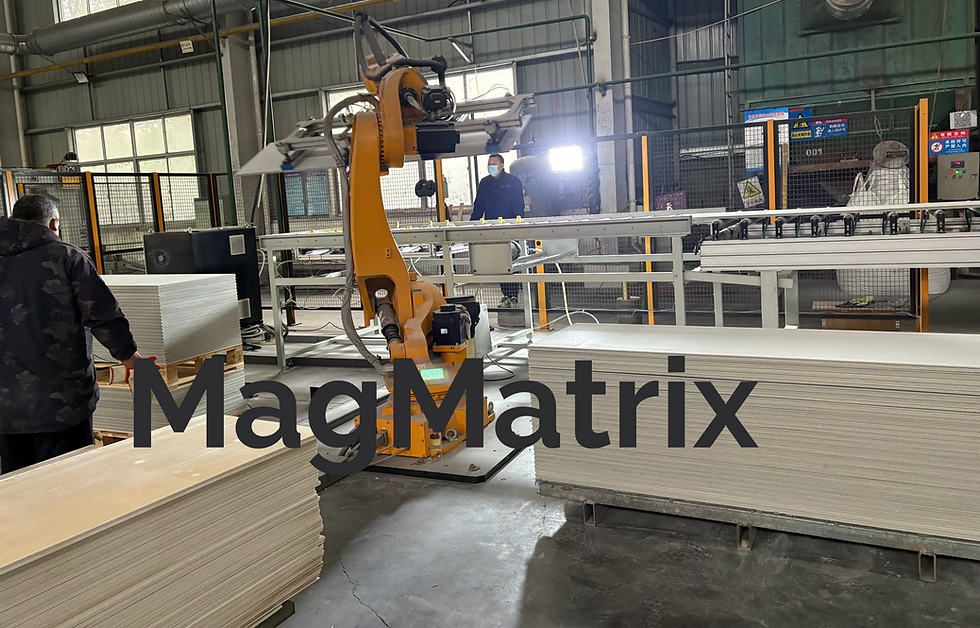
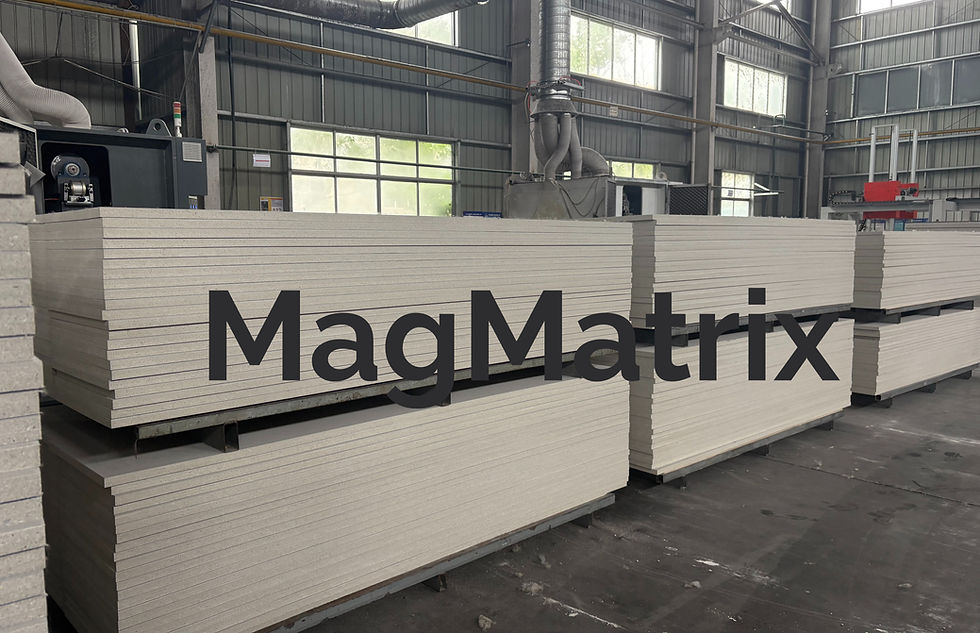
Leading manufacturers of MagMatrix Brand are not just producing boards; they are engineering safety and sustainability into the very core of modern buildings.
Companies like Jinpeng Group, through its MagMatrix brand, are setting new standards with advanced sulfate technology. Understanding how these boards are made and what sets top-tier manufacturers apart is essential for anyone looking to build safer, longer-lasting structures.
The Evolution of MgO Technology: Moving to Sulfate
Not all Magnesium Oxide boards manufacturer are created equal. In the past, some MgO boards utilized magnesium chloride in their production. While functional, these older formulations sometimes experienced moisture absorption in highly humid environments.
The manufacturing landscape has shifted significantly. Industry leaders have moved toward advanced formulations, such as the BMSC 517 New Sulfate technology championed by Jinpeng Group with the MagMatrix brand. This "new sulfate" approach creates a chlorine-free MgO board.
Why the chemistry matter
The shift to sulfate-based manufacturing results in a board that is structurally superior and chemically stable. By eliminating chloride, manufacturers prevent hygroscopicity—the tendency of a material to absorb moisture from the air. This ensures the panels remain robust and durable without the risk of "weeping" or degrading over time.
Top manufacturers prioritize this stability. They engineer boards designed to resist warping, bending, and breaking. This attention to chemical composition ensures that the investment made by developers and homeowners stands the test of time, rather than requiring costly replacements a few years later.

Engineering for Fire Safety
The most compelling argument for switching to high-quality MgO boards is fire protection. As urban density increases and building codes tighten, demand for non-combustible materials has never been higher.
Manufacturers are responding with boards that act as a firewall—quite literally. Premium MgO boards, such as the Perseverance Model fire-rated structural sheathing, are achieving ASTM E136 non-combustible grades. This isn't just about meeting a basic requirement; it is about saving lives and property.
Meeting rigorous building codes
Advanced manufacturing allows these boards to serve as fire-rated structural sheathing for load-bearing and non-load-bearing walls. Depending on the product line and thickness, these boards can contribute to fire-rated assemblies that last 2 to 4 hours.
This capability makes them indispensable for various construction types:
Type I and II Construction: Requiring the highest level of fire resistance.
Type III and V Construction: Offering 1-hour to 2-hour protection for multi-family and commercial builds.
When a manufacturer can certify that its product prevents fire from spreading, it provides peace of mind that traditional wood or drywall simply cannot match.
Defying the Elements: Water and Mold Resistance
Moisture is the silent killer of buildings. Water intrusion leads to rot, structural failure, and the growth of harmful mold and mildew. Traditional drywall acts like a sponge, and wood eventually decays when exposed to persistent dampness.
Magnesium Oxide Board manufacturers have tackled this issue head-on. MgO is naturally resistant to moisture. It does not feed mold, nor does it degrade when wet.
Healthier living environments
By choosing boards engineered to be water- and mold-proof, builders create healthier indoor environments. The moisture-resistant composition prevents spore growth, which can cause respiratory issues for occupants.
This feature is particularly vital for specific applications:
Subflooring: protecting the foundation from spills and leaks.
Roofing: Serving as a durable underlayment that withstands humidity.
Exterior Walls: Acting as a robust barrier against rain and weather.
A Commitment to Sustainability
Construction is notoriously resource-intensive, but the manufacturing of MgO boards offers a greener alternative. Conscious manufacturers are proving that high performance does not have to come at the cost of the planet.
The production process for Magnesium Oxide boards typically consumes less energy than that of Portland cement-based products. Furthermore, the process results in minimal carbon emissions.
Leading brands view sustainability as a core pillar of their operation. By using low-energy manufacturing processes and creating products that last longer (reducing waste from replacements), companies like MagMatrix represent a shift toward responsible construction.
Versatility in Application
One of the hallmarks of a top-tier manufacturer is the breadth of its product catalog. They understand that a single board type cannot suit every part of a building. Instead, they develop specialized lines tailored to specific structural needs.
Structural Sheathing of the Magnesium Oxide Board Manufacturer Productions
For exterior applications, strength is key. Products such as the Multi-Support Model are designed to serve as structural sheathing. These panels provide the necessary rigidity for the building's frame while simultaneously offering fire protection.
Interior Lining
For interior walls, the focus shifts to finish and safety. Boards such as the MagPro Interior Lining Board are designed for passive fire protection in tunnels, commercial buildings, and industrial settings, including power stations.
Industrial Use
The utility of these boards extends beyond residential and commercial housing. The engineering industry—including battery manufacturing, petroleum, and steelmaking—relies on these fire-rated boards for specialized passive fire protection.
Reliability and Customer Support
The relationship between a builder and a manufacturer extends beyond the point of sale. Construction is complex, and having a responsive partner is crucial.
Feedback from industry professionals highlights the importance of customer service. Builders value manufacturers who stand behind their products with warranties and responsive support teams. Whether it is addressing a tolerance issue or simply providing technical data for a fire test, the responsiveness of the manufacturer is often as important as the product itself.
Testimonials for brands like MagMatrix emphasize that excellent quality must be paired with efficient service. When a manufacturer offers replacements for rare quality issues or assists with technical specifications, they build trust within the industry.
Choosing the Right Partner
As the construction industry continues to evolve, the materials we use must keep pace. Magnesium Oxide boards represent a significant leap forward in building technology, combining fire safety, durability, and sustainability in a single package.
However, the benefits of MgO are realized only when boards are produced with precision and care. Builders and architects must look for manufacturers that use modern sulfate technology, comply with strict fire codes, and demonstrate a commitment to environmental responsibility.
By selecting superior materials, we are not just constructing buildings; we are building a safer, more resilient future.
Comments