
How to Choose Subfloor Materials That Actually Stop Moisture Damage

Water damage threatens 98% of U.S. basements, making subfloor material selection one of your most important construction decisions. Poor subflooring choices become obvious through warping, mold growth, and repairs that can get pricey.
The best subfloor material needs more than just strength—it needs moisture resistance in vulnerable areas. Your bathroom's subfloor materials need extra attention, especially when you have constant moisture exposure. Standard plywood and OSB remain the cheapest options, but moisture-sensitive materials like standard OSB can quickly swell and rot from water damage. MgO subfloor panels offer a better solution with strength ratings of 13.36Mpa. These panels handle standard joist spacing with ease and provide excellent moisture protection.
Let's take a closer look at selecting subflooring material that withstands moisture challenges. This piece covers everything from performance ratings to proper installation techniques with vapor barrier subfloor systems. You'll learn how to protect your investment with moisture-resistant subflooring that lasts for years.

Compare Moisture-Resistant Subfloor Materials
Choosing the right subfloor materials depends on how well they handle moisture. Each material protects differently, and some stay strong even after getting wet and dry multiple times.
Plywood vs. OSB: Which holds up better?
Plywood remains a favorite choice for subflooring because of its cross-laminated structure that keeps expansion and shrinkage minimal. This classic option recovers better from moisture exposure and returns closer to its original size after it dries. OSB is nowhere near a match for plywood when it comes to drying out - it soaks up water slowly but stays wet much longer. The edges of OSB often swell permanently when exposed to moisture, which can hurt the floor's strength as time passes.
Money matters too - OSB costs USD 3.00-USD 5.00 less per panel than plywood. But plywood's better moisture handling makes it worth the extra cost for bathrooms and kitchens. Marine-grade or exterior-rated plywood works really well as bathroom subflooring because it resists moisture better.
Why MgO subfloor panels are gaining popularity
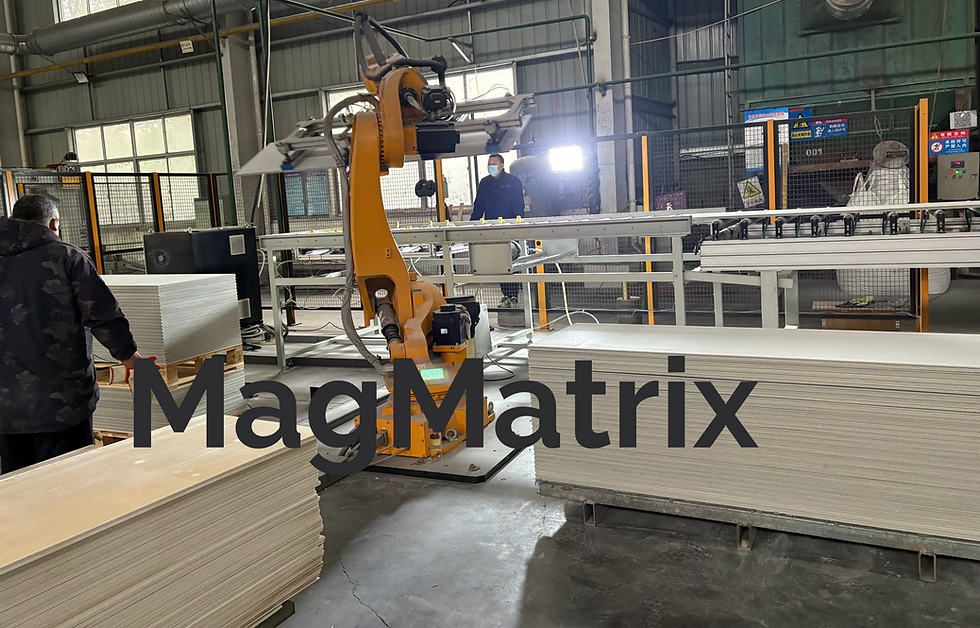
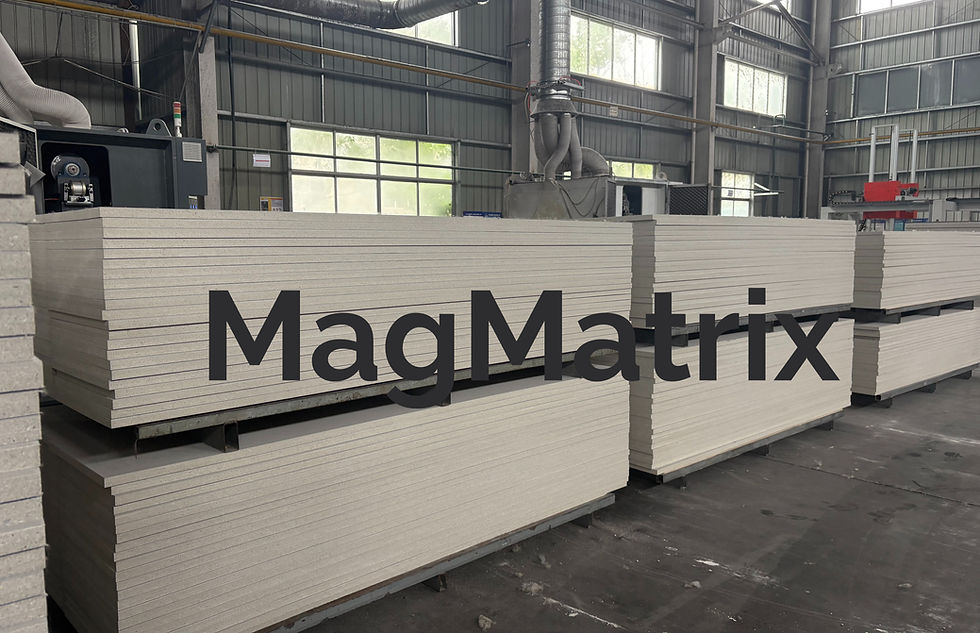
Magnesium oxide (MgO) boards are leading the pack in moisture resistance. These innovative panels stay strong in humid environments without any swelling, warping, or rotting. MgO boards shine in wet-dry cycle testing - they keep almost all their strength after 25 cycles, while plywood loses 9% and OSB loses about 40% of their strength.
MgO panels boast impressive material strength of 13.36Mpa and easily support standard 24-inch joist spacing. These panels are safer for indoor air quality since they don't contain asbestos, formaldehyde, or VOCs. They also resist fire amazingly well and stay intact at temperatures up to 800°C.
Engineered panels and their built-in barriers
Engineered wood subflooring delivers better stability when humidity changes. The layered construction fights against wood's natural urge to expand or contract with moisture changes. These special panels work great in spaces where humidity often hits 50% or higher.
Top products like AdvanTech are better at fighting moisture because they use more resin and wax than standard panels. DryCore Subfloor systems come with built-in high-density polyethylene membranes that block moisture and let any water that gets in evaporate easily. The Air Gap technology in these engineered systems keeps air moving and helps surface moisture evaporate from concrete floors.
Understand Moisture Ratings and Performance
Understanding moisture specifications for subflooring requires more than simple water resistance knowledge. Your floors' longevity in challenging environments depends on how well you understand these technical ratings.
What exposure ratings really mean
Material composition and adhesive durability determine Exterior and Exposure 1 ratings. Exterior-rated subfloor materials can handle long-term weather exposure and are waterproofed for constant moisture contact. Exposure 1 panels can handle temporary weather exposure during construction delays but aren't suitable for constant moisture exposure.
Both ratings use waterproof adhesives but serve different purposes. Many people wrongly believe that 'CDX' plywood (an Exposure 1 product) provides permanent weather protection, which results in wrong installations. The panels need a 1/8" gap at all joints to handle normal moisture-related expansion.
How perm ratings affect moisture control
Perm ratings show how much water vapor passes through a material by measuring its moisture vapor permeability. The National Wood Flooring Association suggests subfloor vapor retarders with perm ratings between 0.7 and 10. Materials with ratings below 0.7 might trap moisture and cause subfloor rot or mold.
A 23/32" plywood typically has a 0.55 perm rating, so using materials with ratings above 0.7 helps with gradual moisture adaptation. A vapor retarder doesn't stop moisture migration completely—it slows down the process and gives wood flooring time to adjust to seasonal changes.
Manufacturer warranties and specs to check
Quality manufacturers back their products with 10-25 year warranties against moisture damage if you follow specific installation steps. These warranties require exact moisture testing using standards like ASTM F2170 for relative humidity.
Subfloors should have 12% moisture content or less before hardwood installation to ensure optimal protection. The moisture difference between subflooring and hardwood must stay within 4% for solid strip flooring under 3 inches wide, or 2% for wider planks. Your warranty becomes void if these specs aren't met.
Note that even the best moisture ratings can't protect against standing water or leaks—warranties don't cover flooding or water pipe damage.
Install for Maximum Moisture Protection
Quality subfloor materials need proper installation to protect against moisture. Even the best products will fail if you don't install them correctly.
Using a vapor barrier subfloor system
Moisture barriers help prevent damage, especially when you have bathrooms and kitchens. You have three reliable options: polyethylene sheeting (an economical plastic film), vapor retarder paint for concrete, and rolled membranes that come in different thicknesses and materials. A 6-mil polyethylene vapor barrier works well for concrete subfloors. Just overlap the seams by 6 inches and seal them with waterproof tape.
Sealing seams and edges the right way
You need to seal the edges to keep moisture out. Put silicone-based sealant around the room's edges, doorways, and fixed items like toilets and cabinets. Use elastomeric sealant for gaps between plywood sheets. This sealant stays flexible, unlike rigid fillers that work against the gap's purpose. 3M 8067 tape works great for subfloor joints. Just make sure the surfaces are clean and dry, and apply enough pressure.
Avoiding moisture traps during installation
Make sure insulation paper faces the subfloor and not the crawlspace. This prevents moisture from getting stuck between the paper and subfloor, which leads to sagging and failure. Let your subfloor materials adapt to the room's environment before installation. Keep them at 65–75°F for 48–72 hours.
Best practices for subflooring over concrete
Concrete needs careful moisture control. Start by cleaning the surface really well and fix any big cracks. Check the moisture levels - wood subflooring should stay under 12% moisture content. Add a layer of concrete sealer before the vapor barrier to control moisture better.
Choose the Right Subfloor for Your Space
Your home's different spaces face unique moisture challenges. You need to pick the right subflooring materials to avoid damage that can get pricey.
Bathroom subfloor materials that won't fail
Bathrooms just need exceptional protection from steam and splashes. Cement board stands out as the top bathroom subfloor material because it resists water so well - it won't swell or break down when wet. The sandwich of concrete between fiberglass mesh layers gives it the lowest water-absorption rating in the industry. MgO (magnesium oxide) panels are another great choice that hold up in humid spaces without warping or rotting. Marine-grade plywood works well too if you like traditional materials, and it handles moisture better than standard options. Whatever material you pick, your bathroom subfloor needs a complete vapor barrier system. Even the best materials can fail if they're always wet.
Matching subfloor to climate and humidity
Your local climate affects how well your subfloor performs. Homes in hot, humid areas usually avoid high subfloor moisture when air conditioning stays at 78°F or above. You can block summer moisture from building up in subfloors with aluminum foil-faced foam board or closed-cell spray foam insulation. Engineered wood subfloors handle humidity changes better and work great in places where humidity often hits 50% or higher. The way water drains around your house is a vital part too - the soil should slope away from your foundation.
When to use thicker panels for durability
The space between your joists tells you how thick your subfloor should be. You'll want thicker panels when joists are farther apart to stop flexing and keep things stable. Tile needs at least 1-1/4 inch total subfloor thickness. If your joists are more than 16 inches apart, go with thicker subflooring - at least 7/8 inch plywood or 1 inch OSB. Your floor type matters too - hardwood usually needs thicker subflooring than carpet or vinyl. High-traffic areas do best with double-layer subfloors. These layers should have staggered seams to make everything stronger.
Conclusion
Picking the right subfloor material is a vital decision that affects your construction project's future. Traditional options like plywood show better moisture recovery than OSB, and innovative MgO panels resist multiple wet-dry cycles better. On top of that, engineered panels stay stable during humidity changes, especially when you have challenging environments.
Material selection matters just as much as moisture ratings. A subfloor's performance against moisture damage depends on exposure ratings, perm values, and manufacturer's warranties. These specifications can help you avoid thousands in future repairs.
Quality materials alone won't guarantee success. You need vapor barriers, sealed seams, and proper drainage to prevent moisture traps in any subfloor project. Your material thickness and type choices should match the climate, especially in moisture-prone areas like bathrooms.
Moisture-resistant subflooring is an investment, not an expense. Premium options like marine-grade plywood or MgO boards might cost more upfront, but they substantially lower the risk of water damage that affects all but one of these basements. We suggest matching materials to your space requirements, climate challenges, and moisture exposure levels instead of picking the cheapest option. Quality subflooring's true value shows up years later, when cheaper materials have failed.
Comments