
Best Subfloor Materials: Expert Picks for 2025 Projects

Your entire construction project's success depends on choosing the right subfloor materials. I've watched floors succeed and fail over the years, and this fact stands out clearly.
Plywood has dominated the subflooring landscape since the 1950s, and with good reason too. Concrete slabs present compelling alternatives that match specific needs - they typically run 4-6 inches thick with strength ratings of 3,500-5,500 psi. Plywood might cost more than OSB, but it proves tougher and dries faster.
Subfloors are the unsung heroes behind every successful building project. They provide vital stability, distribute weight evenly, and manage moisture across different flooring types. The choice between plywood, OSB, and concrete goes beyond just cost considerations. The best subfloor material should match your specific needs, especially when you have durability and moisture resistance requirements.
Let me walk you through our expert picks for the 5 best subfloor materials that will work great for your 2025 projects. This information will help you make choices you'll appreciate years down the road.
Plywood for Subfloor Materials
Plywood stands as a traditional champion among subfloor materials and has dominated the market for almost seven decades. Builders started using it as a subflooring solution in the 1950s, and it quickly took over from solid wood planking because it performed better.
Key Features of Plywood
Manufacturers create plywood by gluing thin layers of wood veneer (plies) together with alternating grain directions at 90-degree angles, then compress them under heat. This cross-laminated design creates a stable material that handles expansion and contraction better than solid wood.
Plywood subflooring comes in thicknesses from 1/2 inch to 3/4 inch, with sheets available in 4×8 or 4×12 foot sizes. Many contractors choose tongue-and-groove sheets that lock together at the edges to create a more stable floor system.
Plywood shows about 10% more stiffness between joists than alternatives like OSB. This extra rigidity results in floors that feel more solid underfoot and flex less – a vital factor for certain flooring types.
The manufacturing process puts higher-quality veneers on the outer layers, with lower-quality material in the core. This smart layering means stress on one side transfers less force to the opposite side, which makes it more resistant to bending.
Pros and Cons of Plywood
Pros:
· Handles moisture better with less permanent swelling than OSB
· Dries faster after getting wet
· Holds fasteners better, which means fewer squeaks over time
· About 10% stiffer than OSB, giving you a more rigid subfloor
· Resists warping and shrinking thanks to cross-grain construction
Cons:
· Costs more than alternatives like OSB – usually USD 3-5 more per sheet
· Surface can scratch and splinter because it's relatively soft
· Might delaminate if it gets wet repeatedly
· Needs extra treatment to become waterproof
· Weighs more than some other subflooring options
Plywood delivers exceptional performance even though it costs more. It keeps its structural integrity after drying from moisture exposure, which gives it a big advantage in long-term installations, especially where water might occasionally be an issue.
Best Use Cases for Plywood
Plywood subflooring works best in several specific situations:
1. Under ceramic or stone tile - Plywood's extra stiffness makes it perfect for supporting rigid flooring materials that might crack. These applications need at least 1-1/8 inches total subfloor thickness, usually from 3/4" plywood plus 1/2" cement board or an uncoupling membrane.
2. Second-story installations - Plywood weighs less than alternatives like concrete, making it practical for upper floors.
3. Moisture-prone areas - Plywood handles moisture better than OSB, making it great for kitchens, bathrooms, or humid regions.
4. High-traffic zones - Better screw-holding power makes plywood excellent for areas with lots of foot traffic or moving furniture.
Plywood helps dampen sound between floors, which reduces noise throughout a building. It also provides some thermal insulation, helping with energy efficiency.
Experts recommend 15/32-inch plywood for standard residential use when floor joists are 16 inches apart or less. For wider joist spacing, 3/4-inch plywood works better.
Pricing of Plywood
Installing plywood subflooring costs between USD 3.75 and USD 6.00 per square foot, including materials and labor. This puts it in the middle range for subflooring materials.
A standard 4×8 sheet of 3/4-inch plywood costs between USD 21.50 and USD 65.00 for materials alone, depending on grade and quality. This wide price range shows the big differences between plywood grades, with better products costing much more.
Installation costs break down like this:
· Simple replacement: USD 3.25 – USD 4.75 per sq ft
· Medium complexity: USD 4.75 – USD 6.25 per sq ft
· Complex jobs: USD 6.25 – USD 8.50+ per sq ft
These prices typically cover materials, labor, and standard fasteners but not premium finishes or structural repairs. Labor makes up 55-65% of the total project cost.
Though plywood costs more than alternatives like OSB, its durability makes it worth the investment. A well-installed plywood subfloor can last as long as the house, making it cost-effective for builders who value quality.
Oriented Strand Board (OSB)
OSB emerged in the 1970s as an affordable engineered wood product. This material gained popularity through the 1990s and became a serious competitor to plywood. OSB creates structural panels differently from plywood's layered veneer construction.
Key Features of OSB
OSB panels combine compressed wood strands in multiple layers that can reach up to 50 layers thick. These layers use adhesive resins and wax under high pressure to bond together. Each strand measures 3-4 inches long, and manufacturers arrange them in specific directions across different layers to maximize strength. The finished product has a unique look that many compare to "giant cornflakes" pressed together.
You'll find OSB panels in standard 4×8 feet dimensions, just like plywood. One benefit of OSB lies in its availability as super-sized sheets up to 8 feet wide and 16 feet long. These larger formats help cover more area with fewer seams and can reduce installation time for big projects.
The structural performance of OSB stands out remarkably. The material offers about twice the horizontal shear strength of plywood and resists racking forces excellently. OSB shows consistent properties throughout with no internal gaps or voids. This consistency eliminates soft spots that often appear in plywood from knots or imperfections.
The material's density makes it great for sound dampening. This quality proves beneficial in multi-story construction where builders need to reduce noise between floors.
Pros and Cons of OSB
Pros:
· Saves you $3.00-$5.00 per panel compared to plywood
· Delivers twice the horizontal shear strength of plywood
· Comes in larger sheet sizes to reduce seam numbers
· Maintains consistent quality without knots, gaps, or voids
· Helps the environment by using fast-growing tree farms and waste products
· Reduces sound transmission effectively
Cons:
· Struggles with moisture - stays wet longer with permanent edge swelling
· Weighs more than plywood at 77 pounds per 4×8 sheet (2.4 pounds per square foot)
· Holds nails poorly compared to plywood
· Uses naturally rot-prone materials like poplar and aspen, depending on resins for protection
· Needs additional underlayment for certain flooring types
Edge swelling becomes a major issue when OSB meets moisture. The material absorbs water more slowly than plywood at first, but drying takes much longer. Swollen edges rarely return to their original shape. This characteristic creates problems in moisture-prone installations.
Best Use Cases for OSB
OSB subflooring works best in these situations:
5. Dry climate construction - Areas with low humidity and rainfall minimize OSB's moisture-related weaknesses, making its cost benefits more attractive.
6. Budget-conscious large projects - Production builders and developers benefit from significant cost savings across bigger projects.
7. Areas requiring superior shear strength - Spaces subject to lateral forces benefit from OSB's exceptional horizontal shear strength.
8. Installations with laminate or engineered wood flooring - These floor types work well because they "float" above the subfloor instead of attaching directly.
Successful OSB subflooring installations need careful attention. Panels must stay dry during construction. The right thickness matters based on joist spacing - 23/32-inch tongue-and-groove panels work best for joists up to 16 inches apart.
Many professionals suggest sealing OSB edges to protect against moisture damage. Proper fastening becomes crucial since OSB doesn't hold nails as well as plywood.
Ceramic tile associations advise against using OSB under tile installations because of edge swelling concerns. These situations require an extra layer of cement board or uncoupling membrane, which adds to the total cost.
Pricing of OSB
OSB costs less than other subflooring options. A 4×8-foot sheet of OSB subflooring (23/32-inch thick) ranges from $50.00 to $77.00. This equals about $1.56-$2.41 per square foot for materials.
Prices vary by thickness:
· 1/4-inch: $32.00–$37.00 per sheet
· 7/16-inch: $34.00–$51.00 per sheet
· 1/2-inch: $34.00–$51.00 per sheet
· 23/32-inch: $50.00–$56.00 per sheet
· 3/4-inch: $58.00–$77.00 per sheet
Professional installation labor costs run $25.00 to $30.00 per hour. Complete subfloor installation by professionals typically costs between $1,500.00 and $4,500.00 for average projects.
DIY installation might seem appealing with OSB, but professional installation offers better results. Professionals handle moisture concerns properly, place fasteners correctly, and treat seams appropriately - all vital for long-term performance.
The National Association of Home Builders reports stable OSB prices week-to-week as of December 2024. Prices remain 15.8% higher than last year. These changes highlight why current pricing matters when planning projects.
Concrete
Concrete works as both a structural element and finished surface in modern construction, unlike wood-based options. Builders have used this versatile material for subflooring for decades. You'll find it mostly in basements, garages, and ground-level installations where wood products don't work well with soil contact.
Key Features of Concrete
A concrete subfloor is a solid slab that builders pour directly on grade or over existing substrate. These slabs give exceptional support and stability. They create a foundation that can hold heavy weight without compression problems. The remarkable strength of concrete makes it perfect for high-traffic areas or spaces that need to support heavy loads.
A good concrete subfloor is usually 4-6 inches thick. This creates a strong barrier between your living space and the ground below. The thickness, along with proper sealing, stops ground moisture from seeping up into your home.
Concrete's adaptability stands out as one of its best features. Modern finishing methods let you stamp, stain, polish, or etch it to create unique looks. These treatments have changed this once-basic material into a design element.
Concrete slabs work great with radiant heating systems when you need better thermal performance. Hot water tubes or electrical cables inside the concrete spread warmth evenly through the space. This helps offset concrete's naturally cold surface.
Pros and Cons of Concrete
Pros:
· Lasts for decades with minimal wear
· Resists scratches, impacts, and heavy loads better than other materials
· Needs little maintenance beyond occasional resealing
· Naturally fights fire, bacteria, odors, and many stains
· Blocks sound effectively when installed right
· Works well with underfloor heating
Cons:
· Feels cold without extra heating
· The hard surface can tire people who stand on it for long periods
· Moisture problems can develop without proper sealing or drainage
· Cracks show up as the building settles and materials expand/contract
· Poor insulation might raise heating costs
· Gets slippery when wet, especially with high-polish finishes
Sealed concrete handles moisture better than wood-based subflooring. Yet its porous nature means unsealed concrete soaks up and releases moisture from both air and ground.
Best Use Cases for Concrete
Concrete subflooring shines in several specific uses:
Basements are concrete's perfect match. Once sealed properly, concrete resists moisture better than any wood-based option in these spaces. This makes it the go-to choice for basement construction.
Ground-level installations benefit from concrete, especially in areas with frequent temperature changes or high humidity. The material's mass helps even out temperature swings and saves energy.
Ceramic or stone tile installations work best over concrete subfloors. The rigid, stable surface keeps tiles from cracking due to movement, which often happens with more flexible materials.
Commercial spaces need concrete's toughness. Retail stores, warehouses, and factories get the most from concrete's ability to handle heavy equipment, constant foot traffic, and impacts.
Concrete gives stable support for floating floors like laminate or engineered wood. These setups need a moisture barrier to protect the finished flooring from dampness.
Pricing of Concrete
The cost of concrete subflooring changes based on thickness, finish quality, and whether it's new construction or renovation. A simple concrete subfloor costs between USD 2.00 and USD 12.00 per square foot.
Here's how prices typically break down:
· Simple concrete subfloor: USD 6.00 per square foot on average
· Stained concrete: USD 2.00 to USD 4.00 per square foot
· Polished concrete: USD 3.00 to USD 12.00 per square foot
· Concrete overlay: USD 3.00 to USD 7.00 per square foot
Fancy designs cost more:
· Mid-range designs with multiple colors or patterns: USD 7.00 to USD 14.00 per square foot
· Custom designs with inlays or special textures: USD 15.00 to USD 30.00 per square foot
Concrete's value goes beyond its installation cost. Its durability and low maintenance needs make it cost-effective long-term. A well-installed and maintained concrete subfloor can last forever, often outliving the building itself.
Engineered Wood
Engineered wood flooring has transformed subflooring options. Homeowners now have access to materials that look like authentic wood but work better. This innovative material combines multiple cross-stacked layers with real hardwood veneer on top to create a stable foundation that works better than traditional solid wood in many ways.
Key Features of Engineered Wood
The sophisticated multi-layer construction of engineered wood subflooring delivers exceptional stability. High-quality plywood or high-density fiberboard (HDF) forms the core, and manufacturers add a genuine hardwood veneer layer with adhesives on top. The cross-hatched plywood design boosts stability because layers pull in different directions, which helps resist warping and moisture-related problems.
These boards come in 3/8 to 3/4 inch thickness and up to 7 inches in width. The veneer thickness ranges from 1/16 inch in standard products to 1/8 inch in premium options. Manufacturers follow strict quality standards and manage to keep moisture content between 5-9% during production to ensure the best performance.
The biggest advantage lies in how well engineered wood subflooring stays stable even when humidity and temperature change. This makes it perfect to use in places where solid wood would fail, such as basements, concrete slabs, and areas with radiant heating.
Pros and Cons of Engineered Wood
Pros:
· Better moisture resistance than solid wood subflooring
· Stays stable with minimal expansion and contraction
· Works with different installation methods (floating, glue-down, nail-down)
· Performs well over concrete subfloors without extra structural changes
· Green practices use less hardwood and more fast-growing wood species
· Great sound-dampening qualities for multi-story buildings
Cons:
· Limited refinishing options compared to solid hardwood (usually 1-2 times)
· Costs more than options like OSB
· Can still have moisture damage without proper sealing
· Floating floor installation might sound hollow
· Not completely waterproof despite handling moisture better
Engineered wood's balance of performance and looks makes it a top choice in modern construction projects.
Best Use Cases for Engineered Wood
Engineered wood subflooring works best in areas with moisture where traditional hardwood wouldn't last. Basements are perfect examples since engineered wood's layered design handles humidity changes that would ruin solid wood. Concrete slab installations also benefit from its moisture resistance and flexible installation options.
Homes with radiant heating systems need engineered wood's stability. The cross-ply construction handles temperature changes better than solid wood. Wide-plank floor designs also work better with engineered wood. Solid planks wider than 6 inches often warp, but engineered options stay flat and stable.
Kitchens and bathrooms no longer pose problems for wood subflooring when using engineered products. These materials work reliably even in spaces that sometimes get wet.
Pricing of Engineered Wood
Materials for engineered wood subflooring cost between USD 3.00 and USD 16.00 per square foot. Installation adds USD 3.00 to USD 8.00 per square foot, bringing the total to USD 6.00-20.00 per square foot.
Quality affects the price:
· Simple engineered hardwood (three core layers, thin veneer): USD 3.00-9.00 per square foot
· Mid-grade options (thicker core and veneer): USD 6.00-12.00 per square foot
· Premium products (up to seven core layers, thick veneer): USD 9.00-16.00 per square foot
Wood type changes the cost. Common woods like oak and maple cost less than exotic varieties. Bamboo runs USD 2.00-6.00 per square foot, while premium teak costs USD 9.00-13.00 per square foot.
The higher upfront cost compared to alternatives pays off over time. These floors last 20-30 years with proper care, and premium products might even last 50 years with good maintenance.
Magnesium Oxide Board (MgO)
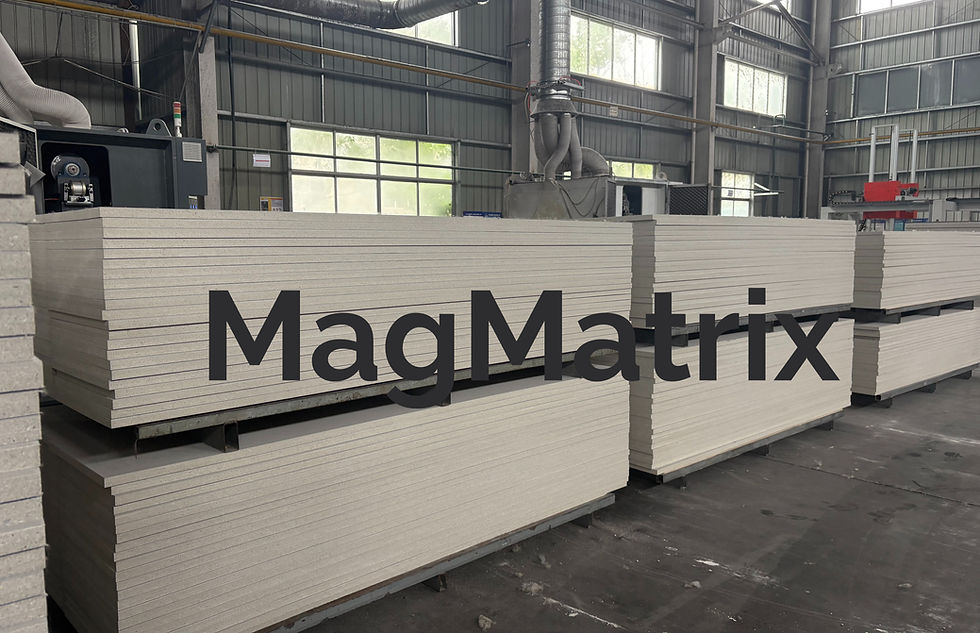
Magnesium Oxide Board (MgO) is one of the latest breakthroughs in subflooring materials that gives commercial and residential builders a compelling alternative to traditional options. These panels combine magnesium oxide with multiple layers of fiberglass mesh to create exceptional performance characteristics.
Key Features of Magnesium Oxide Board
MgO boards are different from wood-based materials in how they're made and how they perform. The panels are made mostly of inorganic materials bonded with magnesium oxide cement and reinforced with fiberglass to boost structural integrity. You can get these panels in standard 4×8-foot sheets that are 15mm to 22mm thick for subflooring. They work great at fighting off moisture, fire, and biological damage.
The structural strength of MgO boards stands out. They're just as strong as OSB but hold fasteners much better. A single fastener can hold more than 350 psf in shear and withstand over 150 pounds of force. MgO panels that are at least 3/4" thick can handle impressive weights, making them perfect for standard 24-inch joist spacing.
Pros and Cons of Magnesium Oxide Board
Pros:
· Fire resistance that's hard to beat - panels char instead of burning and can take heat up to 1,200°C in long tests
· Handles moisture like a champ with almost no swelling, warping, or breakdown
· Fights off mold, mildew, and biological breakdown better than most materials
· Keeps its shape even after getting wet and dry over and over
· Great at handling both sideways forces and wind pressure
· Works well with wood and steel frame subflooring systems
Cons:
· Costs more upfront than regular subflooring options
· Needs extra protection if used outside permanently
· Weighs more than other options, so installation takes extra care
· Not completely waterproof - too much water exposure can make it expand
· You might need special training to install it right
· Harder to find than regular subflooring materials
Best Use Cases for Magnesium Oxide Board
MgO subflooring really shines when you need better fire protection, especially in commercial and multifamily buildings. These panels are a vital safety feature in exterior walls, interior shared walls, and floor decks because they don't burn.
Buildings that need to meet strict fire codes are perfect candidates for MgO subflooring. Schools, hospitals, hotels, and high-rise apartments benefit because the material slows down fires and gives people more time to get out.
MgO boards also work great in places with lots of moisture. They're perfect for basements, bathrooms, and kitchens because they resist humidity, mold, and mildew. In spite of that, remember that while these boards handle moisture well, they shouldn't sit in water for too long.
High-traffic commercial spaces get a lot out of MgO's toughness and impact resistance. The material's strength makes it perfect for corridors, factory floors, and other areas that take a beating.
Pricing of Magnesium Oxide Board
MgO subflooring costs more than plywood or OSB. Right now, standard 3/4" 4×8' sheets run between $50 and $77 each, depending on who makes them and their quality. That works out to about $1.56-$2.41 per square foot just for materials.
Professional installation costs vary with project complexity and usually adds $25-$30 per hour. Most projects end up costing between $1,500 and $4,500 to install completely.
The higher upfront cost of MgO often pays off through lower maintenance costs and fewer repairs needed down the road. Builders who want top performance often find the premium price worth it because these boards last longer and resist moisture problems better than traditional options.
Comparison Table
Feature | Plywood | OSB | Concrete | Engineered Wood | MgO Board |
Typical Thickness | 1/2" to 3/4" | 1/4" to 3/4" | 4-6 inches | 3/8" to 3/4" | 15mm to 22mm |
Standard Dimensions | 4×8' or 4×12' | 4×8' up to 8×16' | N/A | Up to 7" wide boards | 4×8' |
Cost Range (per sq ft) | $3.75-$6.00 installed | $1.56-$2.41 materials only | $2.00-$12.00 | $6.00-$20.00 installed | $1.56-$2.41 materials only |
Key Advantages | - 10% stiffer than OSB- Better moisture resistance- Enhanced fastener holding- Quicker drying time | - More affordable- 2x horizontal shear strength- No internal voids- Larger sheet sizes accessible | - Outstanding durability- Minimal upkeep- Fire resistant- Works with radiant heating | - Enhanced moisture resistance- Remarkable stability- Multiple installation options- Effective sound dampening | - Fire resistant up to 1,200°C- Strong moisture resistance- Mold/mildew resistant- High dimensional stability |
Main Disadvantages | - Higher cost- Prone to scratching- Risk of delamination- Not waterproof | - Poor moisture handling- Heavier than plywood- Weak nail holding- Permanent edge swelling | - Cold underfoot- Hard surface- Cracks easily- Limited insulation | - Few refinishing options- Higher cost- Not waterproof- Hollow sound | - Higher upfront cost- Heavier material- Not waterproof- Limited availability |
Best Applications | - Under ceramic tile- Second-story installations- Damp areas- High-traffic zones | - Dry climate builds- Large budget projects- Areas needing strength- Under floating floors | - Basements- Ground-level builds- Commercial spaces- Under tile installations | - Damp areas- Over radiant heating- Wide-plank designs- Kitchens/bathrooms | - Fire-rated buildings- Commercial spaces- Damp areas- High-traffic areas |
Conclusion
The right subfloor material creates the foundation for a lasting flooring project. My years in construction have shown me how this choice affects everything from ease of installation to how well the floor performs over time.
Plywood remains a reliable standard because of its excellent moisture resistance and superior stiffness. The higher price tag makes sense for moisture-prone areas and tile installations. OSB provides great cost savings and impressive shear strength, but its poor moisture handling means it works best in drier spaces.
You can't beat concrete for basements and ground-level installations. It provides unmatched durability and stability, though it feels cold underfoot. Engineered wood shows better dimensional stability and handles moisture better than traditional hardwood. This makes it ideal with radiant heat systems and challenging spaces like kitchens and bathrooms.
Magnesium oxide board, the newest breakthrough, deserves a look for projects that need superior fire resistance and moisture handling. This is vital for commercial buildings and high-traffic areas.
Your project's specific needs should guide what you pick. The key factors include installation location, moisture exposure, budget limits, and planned floor covering. Basements and wet areas need materials like concrete, plywood, or MgO boards. Upstairs installations work well with plywood's lightweight yet rigid nature. If you're watching costs, OSB might work in the right conditions. When fire resistance matters most, MgO boards are your best bet.
Quality subflooring is worth the investment. It leads to fewer callbacks, reduced warranty claims, and better long-term performance of your finished floors. A proper subfloor supports everything above it - smart choices now help you avoid problems that can get pricey later.
Comments