
OSB or Plywood for Roof Sheathing? Expert Builder's Guide

The cost savings with OSB roof sheathing can be substantial. A standard 4x8 sheet of OSB costs around $6, while plywood runs about $10 - that's 15-30% less. Homeowners can save several hundred dollars on a conventional house project with this $3 per-sheet difference.
The choice between OSB and plywood goes beyond just price. OSB brings great cost benefits with some trade-offs. A standard 23/32-inch 4x8-foot sheet of OSB tips the scales at 78 pounds, making it heavier than plywood's 67 pounds. On top of that, it falls short in moisture resistance compared to plywood. OSB takes more time to get saturated, but dries much slower than plywood and might not bounce back to its original shape after water exposure.
This piece will get into both materials to help you pick the right one for your roofing project. You'll learn about their performance in various weather conditions, installation needs, and newer options like MgO roofing decking. By the end, you'll know exactly which material - OSB or plywood - fits your roof sheathing needs best.
Builder’s View: Choosing Between OSB and Plywood for Sheathing
Professional builders face tough decisions about roof sheathing materials. Their choices come from years of hands-on experience rather than following industry trends.
What Contractors Prefer and Why
Professional builders review sheathing materials based on several factors beyond price. Recent industry surveys show that 70% of professional builders choose OSB for roof sheathing in standard residential construction. This choice stems from OSB's steady availability and reliable performance in most conditions.
In spite of that, location makes a big difference in material selection. Builders in the Pacific Northwest and other high-moisture areas lean toward plywood, especially for premium construction projects. The reason becomes clear after looking at long-term performance - plywood keeps its structural integrity better when moisture levels change repeatedly.
Professional roofers look at these factors when picking materials:
· Installation efficiency (including panel weight and ease of cutting)
· Warranty requirements from manufacturers
· Local building code specifications
· Project timeline constraints
Builder priorities often match their experience level. Contractors with over 20 years in the field have stronger opinions about sheathing materials. Many pick plywood for critical applications despite higher costs.
Cost vs Performance Trade-offs in Real Projects
Real-life projects show how the cost gap between OSB and plywood matters at scale. A typical 2,000 square foot roof needs about 65 sheets of sheathing. The material cost difference ranges from $200-350 - a small part of the total project cost but important for budget-conscious builds.
Many builders take a strategic approach. They use OSB for simple roofs in drier climates and choose plywood for complex or moisture-prone jobs. This mixed approach balances both cost and performance.
Structure plays a key role in these decisions. Plywood offers 7% more rigidity under equal loads. This makes it valuable for roofs with wider rafter spacing or those in high wind or snow load areas. OSB delivers more consistent performance across sheets because of its manufacturing process. This reduces worries about weak spots or hidden defects.
Project timing affects material choice too. During construction seasons with unpredictable weather, contractors often pay extra for plywood. It dries faster if it gets wet during installation.
The builders who get the best results don't stick to one material for everything. They review each project's specific needs and think about both immediate costs and long-term performance.

Roofing Performance in Real Conditions for OSB and Plywood Sheathing
Ground testing shows dramatic differences in OSB and plywood's performance as roof sheathing materials. These differences matter especially when you have moisture, wind resistance, and long-term stability to deal with.
Moisture Exposure: Drying Time and Swelling
The biggest difference between these materials shows up during moisture exposure. Plywood soaks up water faster at first but dries much quicker than OSB. Wet plywood almost returns to its original size, but OSB swells permanently, especially around the edges. Lab tests show plywood swelled only 6.9% to 9.2% in thickness after 48 hours of soaking and had residual swelling between 2.8% and 5.7% after drying. OSB can swell up to 45% of its original size after multiple wet-dry cycles, and this change stays permanent.
Plywood keeps about 86% of its original strength after wet-dry cycles. OSB only keeps 63% to 70% of its original rigidity. This becomes a vital factor in areas with high humidity or frequent rain.
Wind and Load Resistance: Panel Flex and Strength
Plywood offers about 7% greater stiffness than OSB of the same thickness and span rating. This extra stiffness helps in areas with high wind loads or heavy snow buildup.
OSB shows excellent shear strength along panel edges, making it strong for load-bearing uses. Plywood handles impact better—a vital factor during severe weather. Many builders in hurricane-prone areas choose plywood despite its higher cost because of this difference.
Nail Retention and Long-Term Stability
Roofing applications reveal how each material holds fasteners over time. Plywood's superior nail-holding power becomes vital during high winds when shingles face significant uplift forces. The layered construction spreads stress better and cuts the risk of fastener pull-through during storms.
Screws and nails grip better in plywood than OSB, which reduces the chance of loose fasteners over time. Better nail retention in hurricane-prone areas can save a roof from failing during 100+ mph winds.
Both materials can last decades with proper protection. Plywood delivers better long-term performance in tough weather without extra protective barriers.
Installation and Handling Differences
The way roofers handle roofing materials often determines how quickly and well they can install them. Workers notice the real differences between OSB and plywood when they balance on roof trusses.
Weight and Ease of Handling on Roofs
OSB and plywood have a big weight difference that matters when carrying panels up ladders and across trusses. A standard 23/32-inch 4×8-foot OSB sheet weighs about 78 pounds. The same size plywood weighs just 67 pounds - making it 15-19% lighter. This weight difference affects worker safety and tiredness a lot, especially on steep roofs 30 feet up.
Roofers with years of experience prefer plywood because it's strong but not heavy. OSB weighs more but isn't stronger, which just makes installation harder on workers.
Cutting, Fastening, and Gridline Markings
You can cut and fasten both materials, but they work differently. Plywood's smooth surface lets you make cleaner cuts with less splintering. The layered structure of plywood also helps nails grip better than OSB's compressed wood strands.
OSB has one advantage - many panels come with pre-printed gridlines that speed up measuring and fastening. These guidelines help with:
· Proper nail spacing (6 inches along edges, 12 inches in field)
· Accurate panel alignment
· Precise cutting measurements
Fastener placement matters whatever material you choose. Never drive nails within 3/8 inch of panel edges. Nail heads shouldn't sink below the surface because this makes the hold weaker.
Delamination Risk in Plywood vs Edge Swell in OSB
Moisture control often determines how well these materials last. Plywood can delaminate - its veneer layers can separate - usually from untreated cut edges that get wet. This happens more often with mechanical damage from nails too close to edges or rough handling.
OSB has its own problem - the edges swell when wet. OSB soaks up water like a sponge and takes forever to dry. Once the edges swell, they stay that way. These swollen edges can show through roofing materials later, creating bumps you can see in the finished roof.
Both materials need a 1/8-inch gap at panel joints so they can expand and shrink naturally. This gap matters even more with OSB because it can swell so much.
Use Case Scenarios: When to Use What
Your specific project conditions will determine the best sheathing material. The choice between OSB and plywood depends on environmental factors, budget limits, and how well it needs to perform.
OSB for Roofing in Dry Climates
OSB makes an excellent roof sheathing choice in arid regions that see little rainfall. These conditions minimize OSB's biggest weakness - its sensitivity to moisture. You should pick OSB if you need affordable options and your building site sits in a consistently dry climate with minimal moisture exposure. The material works well when it stays protected from long-term dampness, which makes it ideal for desert areas and places with little seasonal rain.
OSB delivers good performance at a lower cost for roof sheathing in dry climates. Its manufacturing creates uniform density, consistent panel strength, and great shear resistance. OSB's horizontal shear strength doubles that of plywood, which makes it work really well for standard pitched roofs.
Plywood for Humid or Rain-Prone Areas
Plywood stands out as the better choice for projects in areas with high humidity or frequent rain. You'll want plywood if your roof faces high humidity or regular precipitation and you need it to last. Plywood dries quickly after getting wet and returns almost to its original size. OSB stays permanently swollen, especially around the edges.
Plywood's ability to handle moisture makes it a smart investment in areas with likely exposure. This quality becomes really valuable in coastal regions or places with monsoon seasons. Builders often choose plywood for roofs in hurricane-prone areas because it resists water better and holds nails more securely.
OSB or Plywood for Subfloor: What Works Best
Each material shows clear advantages for subflooring based on where you use it. Plywood works better under ceramic or stone tile because of its natural stiffness and rigidity. It also makes more sense in bathrooms or laundry rooms since it dries faster.
OSB excels in attic or shed flooring thanks to its horizontal shear strength, which doubles plywood's capability. This advantage goes away if the space tends to get damp.
Standard residential subfloors in dry spaces can benefit from OSB's cost savings - $3.00 to $5.00 less per panel than plywood. These savings add up quickly in bigger projects without losing much performance. Many builders use OSB for main floors in dry interior spaces but switch to plywood for wet areas or upper floors that need sound control.
Looking Ahead: Alternatives and Innovations
Advanced roof sheathing alternatives are emerging beyond traditional OSB and plywood options. These new materials address common limitations of conventional materials and provide specialized performance benefits for challenging applications.
MgO Roofing Decking: Fire and Moisture Resistance
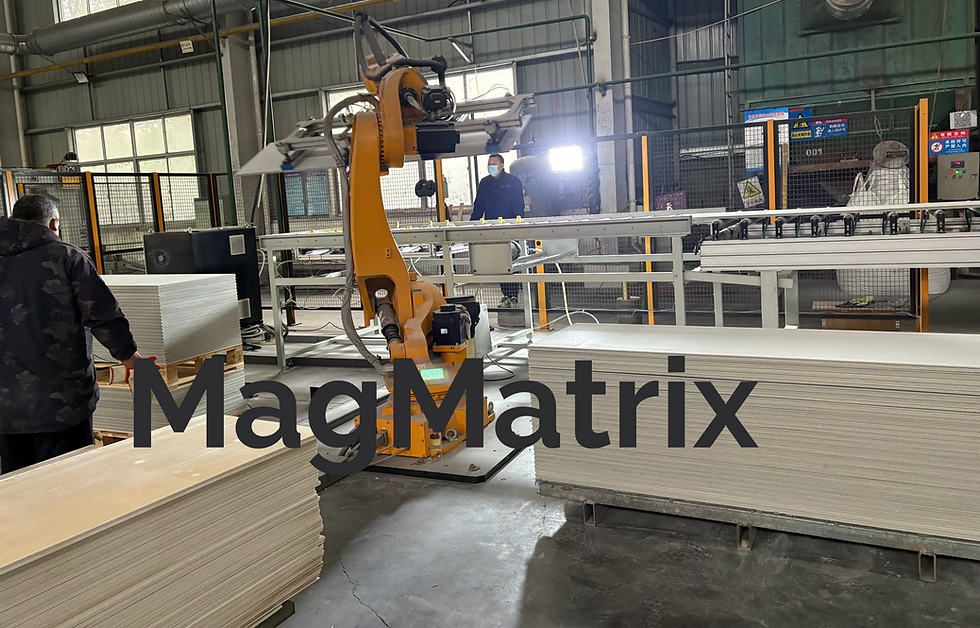
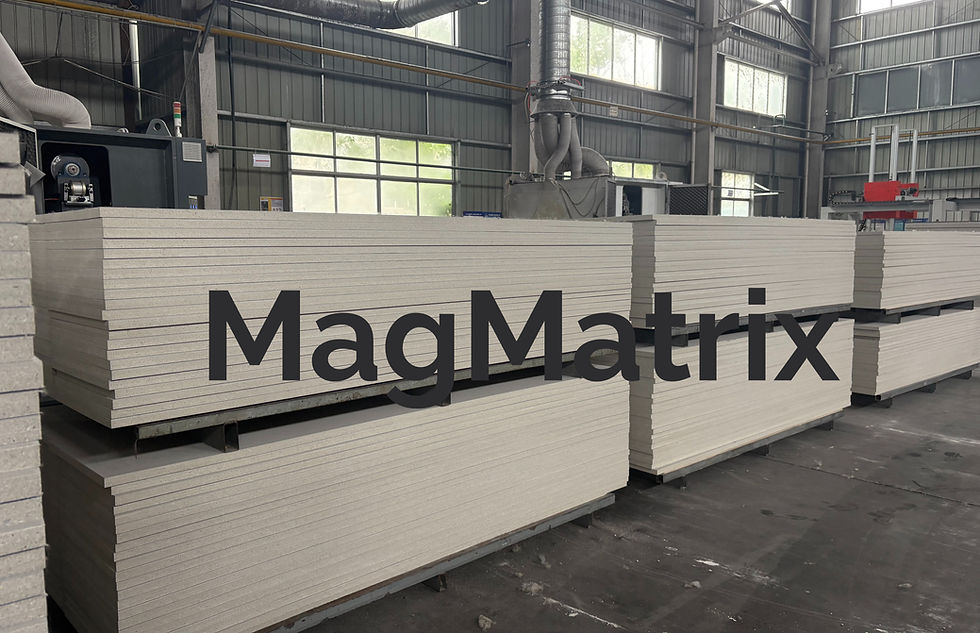
MagPanel® and similar magnesium oxide (MgO) boards represent a major step forward in roof sheathing technology. These panels feature exceptional fire resistance with a zero flame spread rating and non-combustible composition. MgO boards maintain their structural integrity under extreme heat, unlike OSB or plywood, making them perfect for fire-rated buildings.
MgO roof sheathing's moisture performance is remarkable. The panels resist water absorption and stay structurally stable even with slight bending. This makes them valuable especially when you have humid environments or rain-prone regions where OSB edge swelling and plywood delamination often occur.
Additional advantages include:
· Complete resistance to mold, mildew, fungus and insects
· Eco-friendly composition using natural materials
· Recyclable material classified as "Nutritional Waste"
Hybrid Panels and Coated OSB Options
Coated OSB products now offer improved moisture resistance while staying budget-friendly. These engineered panels combine standard OSB structure with specialized coatings that substantially improve performance in humid conditions.
Hybrid roofing systems showcase another innovative approach by combining different materials to maximize benefits. EPS combined with polyisocyanurate creates systems that deliver both cost efficiency and superior insulation. Builders can exploit each material's strengths through these hybrid configurations. They use EPS for its excellent R-value per dollar and polyiso for its outstanding thermal performance.
Future Trends in Roof Sheathing Materials
Materials offering superior energy efficiency and sustainability are shaping the roof sheathing market's evolution. Industry projections suggest lightweight, high-performance composite sheathing options will gain more adoption through 2026-2033.
Smart roofing technologies with integrated sensor systems will likely influence the next generation of sheathing products. Pre-engineered roof sheathing systems that work with modular construction techniques are making installation easier while cutting labor costs.
The most exciting development involves structural panels that serve multiple functions. These single-panel solutions combine weather resistance, insulation, and structural support to simplify construction and boost building performance.
Comparison Table
Characteristic | OSB | Plywood |
Cost (4x8 sheet) | ~$6 | ~$10 |
Weight (23/32-inch 4x8-foot sheet) | 78 pounds | 67 pounds |
Moisture Resistance | - Takes longer to become saturated- Dries at a slower rate- Might not regain its shape- Can expand up to 45% after wet-dry cycles | - Absorbs water quickly at first- Dries at a faster rate- Returns almost to its natural dimensions- 6.9-9.2% thickness swell after 48hrs |
Strength Retention After Wet-Dry Cycles | 63-70% of base rigidity | 86% of base strength |
Structural Properties | - Outstanding shear strength- Reliable performance between sheets- Reduced rigidity | - 7% greater stiffness- Enhanced impact resistance- Better nail-holding capability |
Installation Characteristics | - Built-in gridlines for measurements- More weight to manage- Higher edge swelling risk | - Easier to carry- Smoother cuts with minimal splintering- Superior fastener hold |
Best Use Cases | - Dry climates- Cost-effective projects- Standard pitched roofs | - Humid/rain-prone areas- Hurricane-prone regions- High-end construction projects |
Industry Preference | Chosen by ~70% of builders for standard residential construction | Selected for premium construction and moisture-prone areas |
Conclusion
The choice between OSB and plywood for roof sheathing comes down to several key factors beyond just cost. OSB costs 15-30% less, but you need to balance this against plywood's better performance, especially with moisture. Plywood handles wet conditions much better - it dries faster and keeps about 86% of its original strength after wet-dry cycles while OSB only maintains 63-70%.
Your local climate should be the deciding factor in material selection. OSB excels in dry areas where moisture isn't a big concern. Plywood proves its worth in humid or rainy regions despite the higher cost. The weight difference matters a lot during installation too. Plywood's 11-pound advantage per sheet helps reduce worker fatigue and makes the job safer on steep roofs.
Builders have noticed these differences. About 70% prefer OSB at the time of standard residential construction under normal conditions. Yet many opt for plywood on high-end projects or places that see lots of moisture. Smart builders pick materials based on each project's needs rather than sticking to one option all the time.
On top of that, new options like MgO roofing decking are changing the game, especially where fire resistance and moisture protection matter most. These innovative materials, plus hybrid panels and coated OSB, are great ways to get specialized performance benefits for challenging jobs.
Both materials can last for decades with proper installation and protection. Your best choice depends on project conditions, budget limits, and what you need the roof to do. Learning about these differences helps you make a smart choice that works for both your current budget and long-term durability needs.
Comments