
Magnesium Sulfate Subfloor vs. OSB Subfloor for Modern Homes

Magnesium Sulfate Subfloor vs. OSB Subfloor for Modern Homes
When selecting a subfloor capable of withstanding daily wear and tear, it is essential to conduct a comparative analysis between magnesium sulfate subfloors and Oriented Strand Board (OSB) subfloors. Magnesium sulfate subflooring offers superior protection against moisture and fire, positioning it as a robust choice for safety and structural durability. Conversely, OSB subflooring presents a more budget-friendly and easily installable option; however, it lacks the tensile strength, water resistance, and fire safety ratings inherent to magnesium sulfate products. It is advisable to evaluate the specific requirements of the residence and potential structural risks when deciding between these two materials.
Key Takeaways
Superior Resistance: Magnesium sulfate subflooring demonstrates exceptional resistance to moisture and fire, making it highly suitable for high-humidity or high-risk environments.
Cost vs. Installation: OSB subflooring is more cost-effective and simpler to install; however, its performance is compromised in wet environments due to susceptibility to water damage.
Longevity: For long-term durability with minimal maintenance requirements, magnesium sulfate subflooring is the superior choice.
Application Specifics: OSB is a viable option for dry environments where budget constraints are a priority; however, it is ill-suited for areas prone to moisture exposure.
Professional Consultation: It is recommended to assess specific project requirements and consult with construction professionals before finalizing a subfloor material.

Magnesium Sulfate Subfloor vs. OSB Subfloor Overview
A comparative analysis of magnesium sulfate and OSB subfloors reveals distinct material properties and performance metrics. Understanding these differences is crucial for informed decision-making. This section outlines the characteristics of both subfloor types and establishes the criteria for comparison.
What Are Magnesium Sulfate Subfloors?
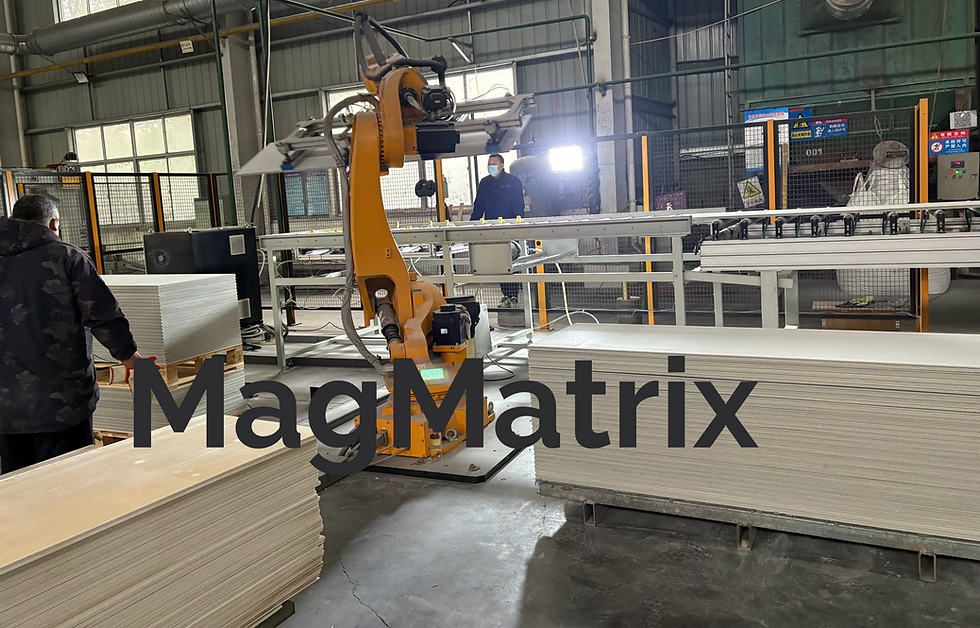
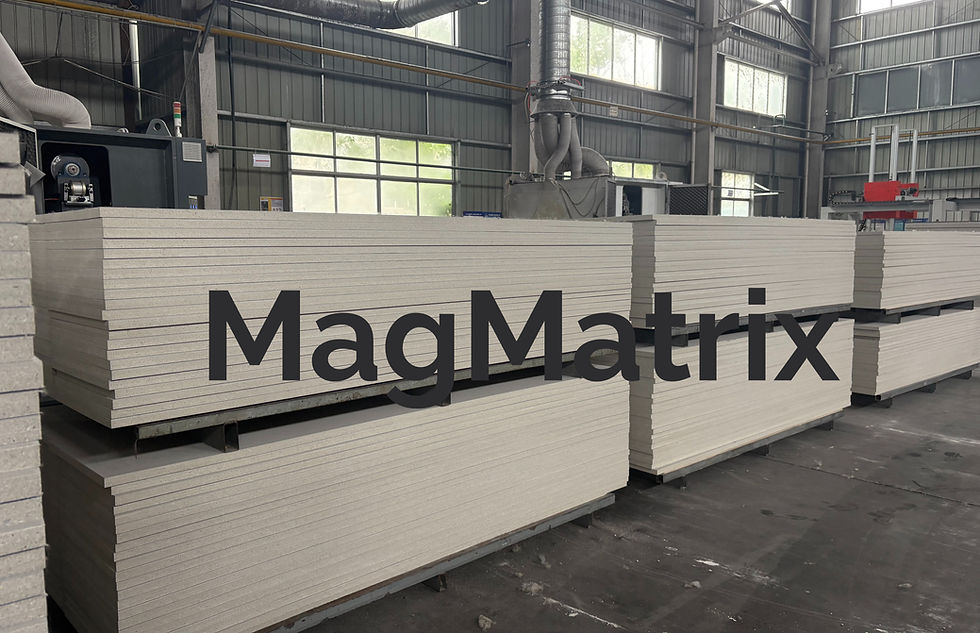
Magnesium sulfate subfloors utilize MgO boards as their core component. These boards are engineered through a specific manufacturing process designed to withstand moisture, fire, and heavy structural loads. The production of MgO boards involves several distinct components:
Magnesium Oxide: The primary aggregate.
Magnesium Sulfate: Acts as the binding agent.
Wood Dust or Cellulose: Provides flexibility and tactile quality.
Perlite or Vermiculite: Enhances insulation and fire retardancy.
Glass Fiber Mesh: Integrated for structural reinforcement.
The manufacturing process involves creating a slurry of magnesium oxide, magnesium sulfate, and water. Additives such as wood dust, perlite, or vermiculite are introduced to enhance performance, and glass fiber mesh is embedded for tensile strength. The mixture is then molded, pressed, and cured in controlled environments.
MgO boards are non-toxic, eco-friendly, and emit no harmful chemicals. Their resistance to mold and mildew makes them an optimal choice for maintaining healthy indoor air quality, particularly in basements and wet areas.
What Are OSB Subfloors?
OSB, or Oriented Strand Board, is a prevalent subflooring material in North America, utilized in both new construction and renovation projects. OSB is manufactured from wood strands derived from fast-growing species such as lodgepole pine and Southern Pine. The manufacturing process includes:
Drying: Wood strands are desiccated to a low moisture content.
Binding: Strands are adhered using binders such as phenol formaldehyde or diphenylmethane diisocyanate.
Layering: Strands are oriented in specific layers to enhance structural rigidity.
Treatment: Fungicides are applied to deter rot and insect infestation.
While OSB provides a cost-effective and easily installable flat surface, it is hygroscopic. Exposure to moisture can cause swelling, warping, or delamination. Consequently, OSB is not recommended for environments subject to consistent dampness or wetting.
MgO Boards vs. OSB: Material Differences
A direct comparison of MgO boards and OSB highlights significant differences in behavior and strength. The following table delineates key comparative metrics:
Feature | MgSO₄-MgO Boards | OSB Panels |
Fire Resistance | Non-combustible; maintains integrity under fire exposure. | Flammable; contributes to flame spread. |
Moisture Resistance | Stable under wet-dry cycles; resists mold. | Sensitive to moisture; prone to swelling or warping. |
Mechanical Strength | High flexural and compressive strength. | Adequate in dry conditions; degrades when wet. |
Weight | Lighter; averaging 12–13 kg per board. | Lightweight but less durable in demanding applications. |
Sustainability | Non-toxic; suitable for green certifications. | Often bonded with formaldehyde; releases VOCs. |
Structural capacity and density also differ significantly:
Property | MgO Board (MPa) | OSB (MPa) |
Compressive Strength | 12 to 25 | 10.3 to 17.2 |
Flexural Strength | 14 to 22 | N/A |
Density Range (kg/m³) | 1200–1400 | N/A |
Regarding acoustic and thermal insulation:
Material | Sound Insulation | Thermal Performance |
MgO Boards | Superior | Superior due to fire and water resistance. |
OSB | Less effective | Less effective due to moisture sensitivity. |
Note: For projects requiring resistance to fire, water, and mold, MgO boards are the preferred specification. For dry environments where cost efficiency is paramount, OSB may suffice.
Summary of advantages and disadvantages:
Subfloor Type | Advantages | Disadvantages |
MgO | Eco-friendly; reduces mold and chemical exposure. | Higher material cost; requires specialized installation tools. |
OSB | Affordable; provides a uniform surface. | Susceptible to moisture; prone to deformation under stress. |
Durability and Lifespan
Long-Term Performance
Selecting appropriate subflooring is critical for ensuring the long-term structural integrity of a residence. Magnesium sulfate subflooring is characterized by high tensile strength and stability, resisting warping, swelling, and cracking over decades. While OSB performs adequately in dry conditions, its structural integrity is compromised by moisture exposure, leading to potential degradation over time. Therefore, magnesium sulfate subflooring represents a more durable solution for modern housing.
Maintenance Needs
Ideally, subflooring should require minimal maintenance. Magnesium sulfate subfloors require little intervention beyond periodic inspections for structural damage and maintaining a dry surface. Conversely, OSB necessitates more frequent monitoring for signs of swelling, mold, or soft spots, particularly in moisture-prone areas.
Magnesium Sulfate Subfloor:
Requires periodic inspection for wear.
Maintains stability with minimal maintenance.
Repairs are infrequently required.
OSB Subfloor:
Requires vigilant monitoring for water intrusion.
May necessitate remediation if swelling or mold occurs.
Demands heightened maintenance in wet zones.
Note: For reduced maintenance requirements and enhanced durability, magnesium sulfate is the superior option.
Subfloor Replacement Cycle
The longevity of the subfloor material impacts long-term costs. Magnesium sulfate subfloors are designed to last for the lifespan of the building, often eliminating the need for replacement. OSB subfloors generally have a shorter lifespan, particularly in humid environments, potentially requiring replacement every 10 to 20 years depending on condition.
Moisture Resistance
High-Moisture Area Suitability
It is imperative to select subflooring suitable for high-humidity environments such as bathrooms and basements. Magnesium sulfate subfloors provide an effective moisture barrier, preventing structural issues such as swelling, warping, and mold growth. OSB is hygroscopic; it absorbs moisture, leading to potential expansion and structural failure. For waterproofing applications, magnesium sulfate is the optimal specification.
Mold and Mildew Protection
Mold mitigation is essential for structural health and indoor air quality. Magnesium sulfate subfloors naturally inhibit mold and mildew growth due to their inorganic composition and moisture resistance. OSB, being wood-based and porous, can retain moisture and support fungal growth.
Material | Moisture Resistance | Mold and Mildew Resistance |
Magnesium Sulfate (MgO) | Highly resistant; does not swell or warp. | High |
OSB | Medium-High; prone to swelling/degradation. | Poor |
Water Damage Risks
Water intrusion poses significant risks to subfloor integrity. Magnesium sulfate boards remain dimensionally stable and do not degrade upon exposure to water. OSB is susceptible to absorption, leading to swelling, delamination, and the development of soft spots.
Magnesium Sulfate Subfloor:
Impervious to water absorption.
Resistant to swelling and cracking.
Mitigates mold risk.
OSB Subfloor:
Absorbs moisture.
Prone to swelling and cracking in wet environments.
Increased susceptibility to mold.
Fire Safety
Fire Resistance Ratings
Fire safety is a paramount concern in residential construction. Magnesium sulfate subflooring offers superior fire protection, being non-combustible and capable of withstanding flame exposure for up to two hours. In contrast, OSB is combustible and can contribute to flame spread.
Material | Fire Resistance Rating |
Plywood | Low; ignites easily, rapid burn rate. |
OSB | Slightly superior to plywood; flammable. |
MgO Board | Excellent; rated for 1–2 hours. |
Cement Board | Non-combustible; highest resistance level. |
Recommendation: Verify fire ratings with the builder to ensure the safety specification meets the household's needs.
Building Code Compliance
Adherence to building codes is mandatory. Magnesium sulfate subfloors comply with rigorous fire safety standards, including ASTM E119 and NFPA 285, and are classified as non-combustible under ASTM E-136. They are recognized by the 2024 International Building Code and Residential Code. OSB may not meet high fire-resistance standards, and local codes should be consulted prior to installation.
Material | Fire Rating | Compliance Standards |
Magnesium Sulfate Boards | A1 | ASTM E84-24, EN 13501-1+A1:2010 |
OSB Subfloors | Varies | May not meet stringent fire safety standards. |
Cost and Availability
Material Costs
Budgetary considerations are essential in project planning. Magnesium sulfate subflooring (MgO boards) commands a higher price point due to its enhanced durability and safety features.
Magnesium Oxide (MgO): $1.50 – $3.00 per sq. ft.
OSB: $0.50 – $1.00 per sq. ft.
While OSB offers a lower initial investment, the long-term value of MgO boards—due to reduced repair and replacement costs—should be considered.
Installation Expenses
Ease of installation significantly impacts labor costs. OSB is compatible with standard construction tools and practices, resulting in lower installation expenses. Magnesium sulfate subflooring requires specialized handling and tooling, potentially increasing labor costs.
Market Availability
OSB is ubiquitous in North American and European markets. Magnesium sulfate subflooring is increasingly available, particularly in regions requiring high moisture resistance. Both materials are generally accessible for residential projects.
Installation and Compatibility
Ease of Installation
Installation complexity affects project timelines. OSB allows for rapid installation using standard fastening methods. Magnesium sulfate boards require adherence to specific manufacturer guidelines, specialized tools, and edge sealing, resulting in a more labor-intensive process.
Subfloor Type | Benefits | Drawbacks |
OSB | Strong, cost-effective, excellent fastener holding. | Water susceptible, less durable, price volatility. |
MGO | Fire resistant, eco-friendly, thermally stable. | Susceptible to water if unsealed, requires specific installation protocols. |
Flooring Compatibility
Both materials serve as suitable substrates for various finished floorings. OSB is compatible with carpet, laminate, hardwood, and tile. Magnesium sulfate subfloors are also compatible with tile, vinyl, and engineered wood, providing a rigid, moisture-resistant base.
Material | Cost Effectiveness | Fire Resistance | Moisture Resistance |
OSB | High | Moderate | Low |
Plywood | Moderate to High | Moderate | Moderate |
Magnesium Oxide | Moderate | High | High |
Magnesium Sulfate Subfloor vs. OSB Subfloor: Quick Comparison Table
Feature-by-Feature Comparison
The following table provides a concise comparison of key features to aid in decision-making:
Feature | Magnesium Oxide Board | OSB |
Moisture Resistance | Excellent | Poor |
Durability | High | Moderate |
Installation | Moderate | Easy |
Cost | Moderate | Low |
Eco-friendliness | Very High | Moderate |
Practical Recommendations for Homeowners
Best Choice for Wet Areas
For basements and areas requiring rigorous moisture control, magnesium sulfate subflooring is the recommended specification. Unlike OSB, which can compromise structural integrity upon water exposure, magnesium sulfate maintains stability, preventing mold and mildew proliferation.
Best Choice for Fire Safety
For enhanced fire protection, magnesium sulfate subflooring is superior. Capable of resisting fire for up to three hours and tolerating temperatures up to 800ºC, it meets stringent fire safety standards where OSB does not.
Best Choice for Budget
For projects where initial cost is the primary constraint and the environment is dry, OSB is the pragmatic choice.
Subfloor Type | Average Cost per Sheet (USD) | Key Benefits | Drawbacks |
OSB | $50 – $77 | Affordable, rigid, smooth. | Hygroscopic, slow drying, lower fastener retention. |
MgO | ~$69.54 | Fireproof, hydrophobic, eco-friendly. | Higher initial cost, heavier, requires specialized labor. |
Best Choice for Longevity
Regarding lifespan, magnesium sulfate subflooring excels, particularly in challenging environments. It resists degradation from moisture, whereas OSB may require premature replacement in damp conditions.
Subfloor Material | Moisture Resistance | Longevity Rating |
Exterior-grade plywood | High | Good |
Marine-grade plywood | Very High | Excellent |
Magnesium Oxide (MgO) | High | Excellent |
FAQ
What is the primary difference between magnesium sulfate subfloor and OSB subfloor?
Magnesium sulfate subflooring offers superior resistance to moisture and fire. OSB subflooring is more cost-effective and facilitates faster installation. Magnesium sulfate is the preferred specification for high-risk or wet environments, while OSB is suitable for dry, budget-conscious applications.
Can tile or hardwood be installed over both subfloor types?
Yes, both subfloor types accommodate tile and hardwood installations. Magnesium sulfate provides a rigid, moisture-resistant substrate. OSB is compatible with most flooring types but requires moisture mitigation. Always consult flooring manufacturer guidelines.
Is magnesium sulfate subfloor safe for individuals with allergies?
Yes, magnesium sulfate subflooring is safe for allergy sufferers as it does not emit Volatile Organic Compounds (VOCs), maintaining healthy indoor air quality. Conversely, OSB may release formaldehyde, which can be an irritant.
What are the maintenance requirements for each subfloor type?
Magnesium sulfate subfloors require minimal maintenance beyond periodic inspections. OSB subfloors necessitate more frequent inspections for water intrusion or mold growth and may require remediation if damage occurs.
Which subfloor provides greater longevity in a basement application?
Magnesium sulfate subflooring offers superior longevity in basement applications due to its inherent resistance to moisture, mold, and mildew. OSB is prone to swelling and degradation in damp basement environments.
Comments