
A Builder's Guide to Sheathing Materials Types

Sheathing is a fundamental component of modern construction, acting as the structural skin for walls, roofs, and floors. This crucial layer provides bracing against lateral loads, serves as a nailing base for siding and roofing, and forms the primary defense against the elements. Choosing the right sheathing material can significantly impact a building's durability, safety, and energy efficiency. With several options available, understanding their unique properties is key to making an informed decision for your project.
This guide will provide a detailed overview of the most common sheathing materials used today. We will explore the features, benefits, and ideal applications for DensGlass, MgO board, plywood, OSB, and fiber cement board. By comparing their performance in critical areas such as moisture resistance, fire safety, and cost, you can select the best material to meet your project's specific requirements.

Plywood Sheathing
Plywood is one of the most traditional and widely recognized sheathing materials. It is an engineered wood product made by gluing together thin layers of wood veneer, called plies, with their grain directions alternated. This cross-graining technique gives plywood its signature strength and stability.
Key Features and Benefits
Structural Strength: Plywood offers excellent stiffness and resistance to racking, making it a reliable choice for structural wall and roof sheathing.
Impact Resistance: Its layered construction makes it highly resistant to impacts and punctures.
Moisture Tolerance: While not waterproof, plywood handles occasional moisture exposure better than some alternatives. It tends to swell evenly when wet and returns to its original shape as it dries, maintaining its structural integrity.
Ideal Applications
Plywood is a versatile material suitable for a wide range of applications, including exterior wall sheathing, roof decking, and subflooring. Its strength makes it particularly useful in regions prone to high winds or seismic activity.
Oriented Strand Board (OSB)
Oriented Strand Board (OSB) is another popular engineered wood product, often seen as a cost-effective alternative to plywood. It is manufactured from compressed layers of rectangular wood strands arranged in specific orientations and bonded with adhesives.
Key Features and Benefits
Cost-Effective: OSB is generally less expensive than plywood, offering significant cost savings on large projects.
Uniformity: As an engineered product, OSB panels are consistent in quality and free of the knots or voids that can be found in plywood.
Sustainability: It is often made from smaller, fast-growing trees, making it an efficient use of wood resources.
Ideal Applications
OSB is commonly used for the same applications as plywood, such as wall and roof sheathing and subflooring. It provides comparable structural performance in most standard construction scenarios. However, it is more susceptible to swelling and degradation from prolonged moisture exposure, especially at the edges.
DensGlass Sheathing
DensGlass Sheathing is a type of fiberglass mat gypsum panel. It features a non-combustible gypsum core with fiberglass mats on the front and back surfaces instead of traditional paper facings. This construction gives it superior resistance to the elements.
Key Features and Benefits
Moisture and Mold Resistance: The fiberglass mats are inherently resistant to moisture, preventing delamination and deterioration. This makes DensGlass an excellent choice for areas with high humidity or frequent rainfall, as it resists mold growth.
Fire Resistance: The gypsum core is naturally fire-resistant, contributing to the overall fire safety of a wall assembly.
Durability: It provides a strong, stable substrate for various exterior finishes, including brick, stucco, and EIFS (Exterior Insulation and Finish Systems).
Ideal Applications
DensGlass is primarily used as exterior sheathing behind cladding systems where moisture management is a top priority. It is also an effective choice for soffits and as a component in fire-rated wall assemblies.
Magnesium Oxide (MgO) Board
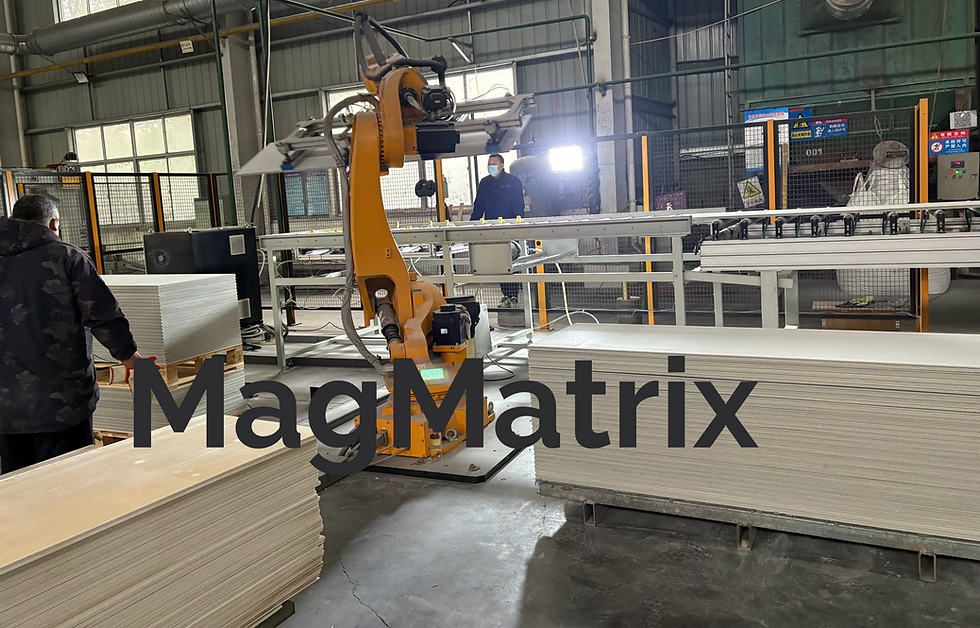
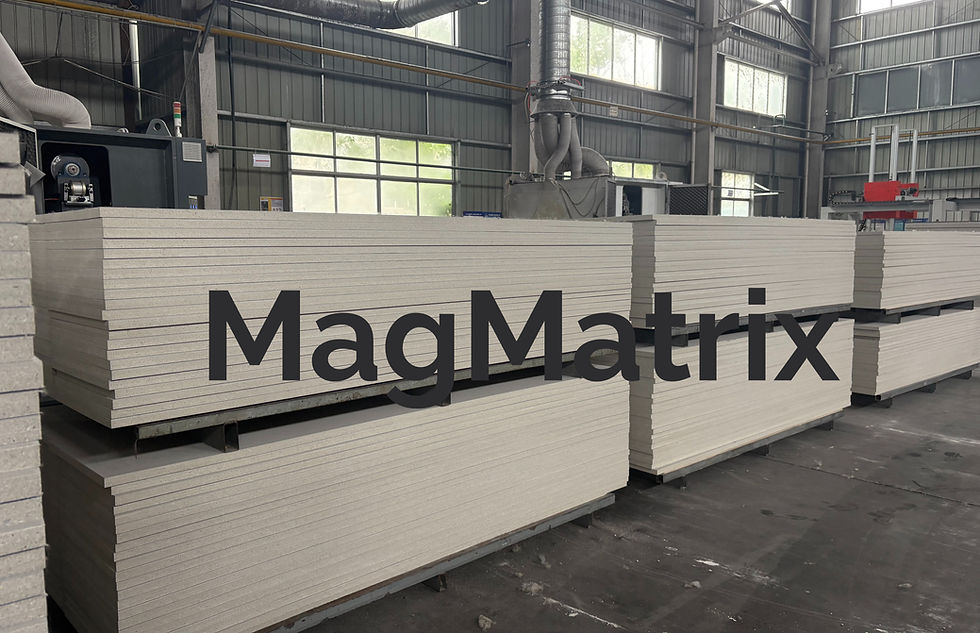
Magnesium Oxide (MgO) board is a mineral-based sheathing material made from a mixture of magnesium oxide, magnesium chloride, and reinforcing fiberglass mesh. It is known for its exceptional performance characteristics, particularly in fire resistance and durability.
Key Features and Benefits
Superior Fire Resistance: MgO board is non-combustible and can withstand extremely high temperatures without burning or releasing toxic smoke. This makes it a top-tier choice for fire-rated construction.
Exceptional Durability: It is highly resistant to impacts, abrasions, and general wear and tear. It is also impervious to water, mold, and insects.
Environmental Impact: Made from natural minerals, MgO board is considered a more environmentally friendly option with a lower carbon footprint compared to some traditional materials.
Ideal Applications
Due to its robust properties, MgO board is used in high-performance applications that demand superior fire safety and durability. This includes fire-rated walls, high-impact zones, commercial buildings, and projects where sustainability is a primary concern. It can also be used for subflooring and tile backer board.
Fiber Cement Board
Fiber cement board is a composite material made from cement, sand, and cellulose fibers. While often known as a siding material, it is also available in panel form for sheathing and backing applications.
Key Features and Benefits
Durability and Weather Resistance: Fiber cement is extremely durable and resistant to rot, insects, and fire. It does not warp or swell when exposed to moisture, making it stable in various climates.
Fire Resistance: Like MgO board and DensGlass, fiber cement is non-combustible, adding a layer of fire protection to any structure.
Versatility: It can serve as a substrate for tile in wet areas like bathrooms or as an exterior sheathing panel where durability is paramount.
Ideal Applications
Fiber cement board is an excellent choice for exterior sheathing in harsh weather environments. It's also frequently used as a tile backer board in kitchens and bathrooms and as an underlayment for floors.
Comparing Sheathing Materials
To make the best choice, it helps to see how these materials stack up against each other across key performance metrics.
Feature | Plywood | OSB | DensGlass | MgO Board | Fiber Cement Board |
Moisture Resistance | Good (recovers well) | Fair (prone to edge swelling) | Excellent | Excellent (impervious) | Excellent (impervious) |
Fire Resistance | Poor (combustible) | Poor (combustible) | Good (non-combustible core) | Excellent (non-combustible) | Excellent (non-combustible) |
Durability | Very Good (impact resistant) | Good | Good | Excellent (impact resistant) | Excellent (weather resistant) |
Cost | Moderate | Low | Moderate-High | High | Moderate-High |
Environmental Impact | Moderate | Good (resource-efficient) | Moderate (energy-intensive) | Good (natural minerals) | Moderate (energy-intensive) |
Conclusion: Making the Right Choice
The ideal sheathing material ultimately depends on the specific requirements of your project, your budget, and the local building codes.
For standard residential projects where cost is a primary driver, OSB and Plywood remain popular and reliable choices. Plywood offers slightly better moisture tolerance, while OSB provides significant savings.
When moisture and mold resistance are critical, DensGlass is a superior option. It provides a durable, weather-resistant barrier that protects the structural integrity of the building envelope.
For projects that demand the highest levels of fire safety, durability, and sustainability, MgO Board is the premium choice. Its exceptional performance justifies its higher cost in specialized and high-performance applications.
Fiber Cement Board offers a balanced profile of durability, weather resistance, and fire safety, making it a strong contender for exterior applications and interior wet areas.
By understanding the strengths and weaknesses of each sheathing type, you can build structures that are safer, more resilient, and built to last. Always consult with a building professional to ensure your material selection aligns with your project's engineering and design goals.
Comments