
7 Best Wall Sheathing Board Materials Builders Trust in 2025

Your construction project's success depends heavily on wall sheathing choices. Building durable structures starts with picking the right material - it creates the foundation for lasting results.
Structural exterior wall sheathing connects framing studs and creates walls that resist twisting and bending. Different materials show unique performance characteristics in real-world conditions. Traditional plywood stands out for strength and versatility, while OSB has captured about 70% of North America's wood sheathing market. The options go beyond these wood-based products to include gypsum, fiber cement, and MGO sheathing boards.
Your sheathing material choice impacts your building's structural integrity, energy efficiency, and durability significantly. This piece covers the seven most trusted wall sheathing materials for 2025. Gypsum boards offer fire resistance that blocks flames up to four hours. Fiber cement and magnesium oxide sheathing excel in rainy climates with their moisture resistance. We'll guide you through selecting the perfect material
that matches your building needs.
Plywood Wall Sheathing Board
Plywood remains one of the most 50-year old and trusted wall sheathing materials in construction. This traditional building material still competes strongly against newer alternatives due to its remarkable versatility and reliability.
Plywood wall sheathing key features
Manufacturers create plywood sheathing through a distinctive cross-lamination process. They layer thin sheets of wood veneer perpendicularly and bond them with adhesive. This cross-graining technique gives plywood its structural integrity and dimensional stability. The process uses giant pencil sharpener-like machines to peel logs that create veneers with tangential grain orientation.
These features make plywood a popular choice:
· Cross-laminated construction - Alternating grain directions in odd numbers of layers create balance around the central axis that reduces warping and cupping by a lot
· Strength and stiffness - Tests reveal plywood sheets are about 7% stiffer than OSB of the same thickness and span rating
· Moisture handling - Plywood absorbs moisture faster but dries out more quickly than alternatives and typically returns to its original dimensions after drying
· Weight advantage - About 15-19% lighter than OSB, which makes installation easier
Plywood also gets APA (The Engineered Wood Association) ratings like other structural panels. Stamps show appropriate uses such as roof, wall, and floor sheathing.
Plywood wall sheathing pros and cons
Pros:
· Superior moisture resistance - Handles wet conditions better than many alternatives with minimal permanent swelling after drying
· Dimensional stability - The cross-grain structure prevents splitting near nail edges
· Faster drying capability - Dries more quickly after moisture exposure and reduces long-term damage risks
· Lightweight construction - Makes transport and installation easier
· Edge damage resistance - Resists damage at panel edges better than some alternatives
Cons:
· Higher cost - Costs more than OSB, with a typical price difference of about $909.45 when sheathing a 2,500-square-foot house
· Potential core voids - Weak spots might affect structural integrity
· Less consistency - Quality varies more than some engineered alternatives
· Limited exposure tolerance - Needs proper protection from wet or moist weather exposure
Plywood wall sheathing pricing
Plywood sheathing costs more than alternatives like OSB:
· Construction-grade plywood: About $10.00 for a 4×8 sheet, with a 500 sq. ft. installation costing around $650.00 (including installation)
· Standard CDX plywood sheathing (C-grade face, D-grade back, rated for exterior exposure): $17.00-19.90 per sheet on average
· Premium plywood sheets: Up to $44.00 per sheet compared to OSB's $25.00 cost for similar thicknesses
Specialty applications have varying costs:
· Softwood plywood (4ft × 8ft): $10.00 to $40.00
· Hardwood plywood (4ft × 8ft): $20.00 to $80.00
Best use cases for plywood wall sheathing
Plywood excels in several specific applications:
1. Roof sheathing - Roofing associations and manufacturers prefer plywood for roof decks especially when moisture risks are higher
2. Areas with moisture exposure - Works best in climates with frequent rain or humidity changes because it dries better
3. Corner installations - Builders often use it at building corners or where they need cut sheets instead of factory-sealed edges
4. Subflooring - Flooring contractors prefer it because they call it more consistent and reliable than alternatives
5. High wind or seismic areas - Strong nail-holding capacity makes it great for regions with earthquakes or strong winds
Plywood also works great as a foundation for attaching siding materials like wood, vinyl, and brick. Its cross-laminated construction helps it handle moisture and temperature changes, which makes it perfect for exterior applications that need long-term stability.

OSB Wall Sheathing
OSB has become a powerhouse in wall sheathing and now represents about 70% of North America's wood sheathing market. This engineered wood product gives builders an economical alternative that maintains the structural properties needed for modern construction.
OSB wall sheathing key features
The manufacturing process of OSB involves rectangular wood strands (typically 1-inch by 4-inch flakes) arranged in cross-oriented layers. These layers bond together with heat-cured adhesives and resin. This process creates several notable characteristics:
Cross-oriented structure - The layering technique gives OSB its strength and structural integrity. The panels resist warping and bowing.
Consistent quality - OSB panels remain flat with uniform strength throughout. They don't have the soft spots, knots, or voids you might find in plywood.
Resource efficiency - OSB can be manufactured from smaller-diameter trees, lower-quality logs, and various wood species—not just softwoods. Plywood needs veneer-grade timber.
Dimensional stability - Large, continuous mats produce solid panels with minimal laps, gaps, or voids.
Size versatility - Manufacturers can create larger panels than plywood. This reduces the number of joints that could leak heat or let in airborne noise.
OSB wall sheathing pros and cons
Pros:
· Cost-effectiveness - A 2,400-square-foot home sheathed with OSB costs $700 less than using plywood.
· Structural strength - The material delivers excellent strength ratings and works well in load-bearing applications.
· Uniform composition - Manufacturing creates consistent strength and quality throughout each panel.
· Sustainability - The product uses wood resources efficiently and comes from fast-growing, smaller-diameter trees.
· Wide availability - Production volume stands at roughly 1.5 times that of plywood.
Cons:
· Moisture vulnerability - OSB resists moisture but shows irreversible swelling after long exposure. Plywood returns almost to its original size after drying.
· Slower drying - Water stays in OSB longer than plywood. This makes it prone to decay without proper protection.
· Edge susceptibility - Unprotected edges can sustain damage during transport and installation.
· Chemical content - The material contains formaldehyde that irritates lungs and eyes.
· Dimensional changes - Temperature changes cause more expansion and contraction in OSB.
OSB wall sheathing pricing
Thickness determines OSB wall sheathing prices:
· 1/4-inch: $32.00–$37.00 per 4×8 sheet
· 7/16-inch: $34.00–$51.00 per 4×8 sheet
· 1/2-inch: $34.00–$51.00 per 4×8 sheet
· 23/32-inch: $50.00–$56.00 per 4×8 sheet
· 3/4-inch: $58.00–$77.00 per 4×8 sheet
Wall applications usually need 7/16-inch thickness. A typical 2,500-square-foot house saves about $909.45 with OSB compared to plywood.
Installation labor costs range from $25.00 to $30.00 per hour. Professional installation helps prevent problems like leaks, mold growth, floor failure, and structural shifting.
Best use cases for OSB wall sheathing
OSB wall sheathing shows its strength in several applications:
The material serves as standard exterior wall sheathing in residential and commercial construction. It provides solid backing for vinyl siding and stucco.
Roof sheathing applications benefit from OSB's properties. The material creates a structural base for various roofing materials.
OSB creates sturdy subflooring that supports different finish flooring materials.
The product excels in structural components like beams, headers, and rim boards.
Manufactured housing and structural insulated panels (SIPs) benefit from OSB, especially Structural I grade with better racking and cross-panel strength.
Building science experts recommend protecting OSB from moisture right after installation. Joseph Lstiburek of Building Science Corporation states, "I would not hesitate a heartbeat to use OSB despite the fact that it is both more water sensitive and more mold sensitive than plywood. The cost benefits, versatility benefits, and stiffness and structural benefits outweigh the associated risks if the product is used intelligently".
Fiber Cement Sheathing
Fiber cement sheathing is different from wood-based alternatives. Its blend of Portland cement, sand, cellulose fibers, and silica creates a tough exterior wall solution that works great for demanding building projects.
Fiber cement sheathing key features
The unique formula of fiber cement gives it superior performance qualities. This material combines wood fibers with Portland cement and silica to create panels that can handle environmental challenges better than other sheathing materials. Products made from fiber cement can last over 50 years with basic upkeep when installed correctly.
The National Fire Protection Association rates fiber cement as non-combustible, making it one of its best features. Direct flames won't ignite this material and it doesn't add fuel to fires.
The material also handles moisture really well. Its makeup helps it fight off water damage, rot, and warping - crucial factors for exterior walls. The sheathing also keeps pests away that usually damage wood products. Termites, woodpeckers, and other destructive creatures find it unappealing.
Panel sizes come in various options, usually between 2400-3000mm long and 900-1200mm wide, with thickness from 4.5-18mm. Denser versions give cleaner cut edges while less dense ones might leave more fibrous edges when cut.
Fiber cement sheathing pros and cons
Pros:
· Exceptional durability – Holds up against harsh weather and resists impact damage
· Superior moisture resistance – Stays intact when wet, perfect for damp environments
· Fire protection – Doesn't burn and stops flames from spreading
· Pest resistance – Keeps termites and wood-eating creatures away
· Dimensional stability – Keeps its shape in any temperature
· Long lifespan – Lasts over 50 years with proper care
Cons:
· Higher original cost – Costs more than vinyl or wood options
· Weight considerations – Weighs more than other products, making installation harder
· Installation complexity – Needs professional installers and special cutting tools
· Health precautions needed – Creates silica dust when cut, requiring safety gear
· Brittleness risk – Can break if hit hard enough
· Regular maintenance – Needs routine checks to work its best
Fiber cement sheathing pricing
Fiber cement sheathing sits at the premium end of wall materials. A square foot costs between $5.00 and $14.00. Most homeowners pay around $14,674 for a typical installation with materials and labor.
Labor adds $2.00 to $8.00 per square foot - you can't avoid this cost because of the material's weight, special tools needed, and risk of damage during installation. A 1,500-square-foot home project usually runs between $7,500 and $21,000.
Prices change based on:
6. Panel size and thickness (larger panels cost $2.50-$15.00 per square foot)
7. Quality and brand differences
8. Installation complexity
9. Project size and accessibility
The cost stays below brick, synthetic stucco, and some wood siding options. It's about the same or less than hardboard or composite siding.
Best use cases for fiber cement sheathing
Fiber cement sheathing works best in specific situations where its unique features shine compared to other options.
Coastal areas and rainy regions are perfect spots for this material. It handles constant moisture without rotting or breaking down, making it ideal for tough weather conditions.
Areas prone to wildfires benefit from fiber cement's fire-resistant properties. The material won't burn or help spread flames, which is crucial in high-risk zones.
This material makes a great base for Cement Board Masonry Veneer (CBMV) projects. You can put manufactured stone, natural stone, tile, and thin brick on top of it.
Exterior wall systems that need continuous insulation work well with fiber cement. The Ventilated and Insulated Rainscreen Cladding system paired with fiber cement improves thermal performance.
High-impact areas or spots needing extra toughness are perfect for fiber cement. The material resists impact damage and keeps its shape in any weather.
Gypsum sheathing stands out as an exterior wall substrate with remarkable fire resistance. Both residential and commercial construction projects now commonly use this material. The specialized panel features a moisture-resistant, noncombustible core with glass-mat facers on both sides.
Gypsum sheathing key features
A specially treated gypsum core combined with water-resistant glass mat facers creates a superior moisture barrier - this unique composition defines gypsum sheathing. You can find standard panels in both 1/2" and 5/8" thicknesses. The 5/8" panels usually come with Type X cores that provide better fire resistance.
Key attributes include:
· Fire protection - This non-combustible material won't burn or fuel fires. The 5/8" Type X panels can achieve up to four-hour fire ratings in certain wall assemblies
· Moisture handling - Water-repelling glass mat facers remain vapor permeable, which lets moisture escape instead of getting trapped
· Mold resistance - The combination of glass mat facing with water-repellent and anti-microbial core additives fights mold growth effectively
· Dimensional stability - The material keeps its shape without warping or swelling during temporary moisture exposure
Glass mat gypsum sheathing shows excellent results in laboratory mold tests that follow ASTM D3273 standards.
Gypsum sheathing pros and cons
Pros:
· Superior fire resistance - The non-combustible composition contains fires and stops flames from spreading
· Excellent weather protection - Properly installed exterior wall assemblies block water and air infiltration
· Simplified installation - Cutting and fastening without power tools saves labor time
· Compatibility - The material works seamlessly with wood, brick, stone, metal, vinyl, EIFS, and stucco cladding systems
· Sound attenuation - Wall assemblies dissipate sound energy better, helping with noise control
Cons:
· Limited structural strength - Plywood or OSB offer better impact and load resistance
· Exposure limitations - Weather-resistant barrier must cover the material within 30 days
· Not a nail base - Exterior cladding fasteners need framing support; direct attachment isn't possible
· Bracing requirements - Wind and seismic resistance demand proper bracing and fastening
· Moisture sensitivity - Long-term moisture exposure can damage the material despite its resistance
Gypsum sheathing pricing
Builders find gypsum sheathing a budget-friendly option among exterior wall materials. Prices vary based on type and thickness:
· 1/2" standard gypsum sheathing boards cost about 50 cents per square foot
· 5/8" fire-rated (Type X) panels cost more than standard panels
· Glass mat gypsum sheathing commands premium prices compared to traditional gypsum boards
Material costs are just part of the equation. Professional installation ensures proper bracing for wind and seismic loads.
Best use cases for gypsum sheathing
Gypsum sheathing's unique properties make it ideal for specific applications:
The material creates effective fire barriers in residential and commercial buildings, making it perfect for fire-sensitive applications.
Builders prefer it as a substrate for various exterior finishes. Its excellent bonding surface works well with stucco, EIFS, brick veneer, and siding materials.
Moisture-prone environments benefit from its glass mat facers that resist moisture when properly protected.
The material helps reduce noise transmission through exterior walls, making it valuable in sound control applications.
Buildings in wildfire-prone regions benefit from this material as it meets International Wildland-Urban Interface Code requirements for exterior walls.
Builders should remember that proper installation with adequate bracing methods helps manage wind and seismic forces.
Foam Board Sheathing
Foam board sheathing outperforms other exterior wall materials with its remarkable thermal properties. These boards deliver R-values that are twice as high as other insulating materials of equal thickness. Builders now favor this lightweight, rigid panel system as a cornerstone of energy-efficient designs.
Foam board sheathing key features
The rigid plastic panels that make up foam board sheathing come in several formulations, each with unique properties:
· Polyisocyanurate (polyiso) - Delivers the highest R-value per inch (R-6.0 to R-6.5) and often includes reflective foil facers to boost performance
· Extruded Polystyrene (XPS) - Resists moisture exceptionally well with R-5.0 per inch
· Expanded Polystyrene (EPS) - Stands as the most economical choice with R-3.8 to R-4.2 per inch
Manufacturers produce these panels in 4×8-foot sheets ranging from 1/4 inch to 2 inches thick. The boards do more than insulate - they reduce heat conduction through wood and steel studs.
Foam board sheathing pros and cons
Pros:
· Creates seamless insulation throughout the building envelope and minimizes thermal bridging
· Acts as an effective air barrier with sealed joints
· Resists moisture well, especially XPS and polyiso types
· Makes wall assemblies stronger
· Serves as a drainage plane with proper installation and sealing
Cons:
· Lacks the structural strength of plywood or OSB
· Remains flammable despite fire retardant treatments
· Raises environmental concerns due to non-biodegradability and manufacturing emissions
· Costs more upfront than standard structural sheathing
· Needs extra bracing to maintain structural stability
Foam board sheathing pricing
Each type comes with its own price point:
· Polyisocyanurate - Commands premium prices but gives you the best R-value per inch
· XPS - Sits in the middle range and handles moisture exceptionally well
· EPS - Offers the best value with solid overall performance
The upfront cost might be higher than traditional sheathing, but the long-term energy savings can make up the difference.
Best use cases for foam board sheathing
Foam board insulation shines in several key applications:
Cold climates benefit from these boards as continuous exterior insulation over structural sheathing. The result is a dramatic boost in thermal efficiency.
Moisture-prone spaces like basements, crawl spaces, and foundation walls are perfect candidates for XPS variants because of their water-resistant properties.
The boards work great under concrete slabs where they isolate the structure from ground temperatures.
Older buildings can get an energy upgrade without removing siding, making foam boards ideal to update existing structures.
ZIP System Sheathing
ZIP System sheathing transformed construction when it debuted in 2006. The product combines multiple building envelope components into a single integrated solution. You can spot these state-of-the-art panels by their green or sienna color, which eliminate the need for separate housewrap by featuring built-in water and air management.
ZIP system sheathing key features
The product's main breakthrough lies in combining multiple building envelope layers.
Each panel uses engineered wood (typically OSB) that comes with a factory-applied, resin-impregnated water-resistive barrier. This design offers several unique benefits:
· Integrated moisture protection - The water-resistive barrier on the panel makes housewrap unnecessary, repels water, and includes a 180-day Exposure Guarantee
· Continuous air barrier - Panels create an effective barrier that stops air leaks when sealed with ZIP System tape
· Structural performance - These panels meet wall bracing requirements and work as shear wall assemblies while providing a nailable base
· Optional built-in insulation - ZIP System R-sheathing includes a layer of polyisocyanurate rigid insulation (available in R-3, R-6, R-9, and R-12 values)
ZIP system sheathing pros and cons
Pros:
· Quick installation - The system speeds up weatherization by removing the need for separate housewrap, which makes installation 40% faster
· Early dry-in - Weather protection starts right after taping the panels, before adding cladding
· Energy efficiency - The tight air barrier helps homeowners save about 11% on heating and cooling costs
· Moisture management - The panels achieve ideal permeability levels (12-16 perms) for proper drying
· Long-term reliability - The product comes with a 30-year limited warranty
Cons:
· Higher original cost - The system costs more than standard OSB plus housewrap
· Installation limitations - Proper tape adhesion needs clean, dry surfaces and temperatures above 20°F
· Reverse lap concerns - Water might get in if the taped panel seams aren't perfect
· Non-transferable warranty - Coverage applies only to the original property owner
· Repair complexity - Major repairs need damaged areas cut out with blocking installed for patches
ZIP system sheathing pricing
Standard 7/16" ZIP System wall sheathing panels cost between $32-$51 per 4×8 sheet, which is more than traditional sheathing plus housewrap. R-sheathing versions with insulation cost more based on their R-value.
Best use cases for ZIP system sheathing
ZIP System works best in high-performance construction projects that need superior air and moisture control. The system shines in projects that need quick dry-in so interior work can start earlier. The R-sheathing version performs well in cold climates by stopping heat transfer through framing connections. The system helps builders meet the updated thermal requirements in the 2021 International Energy Conservation Code, making it ideal for areas with strict energy codes.
MGO Sheathing Board
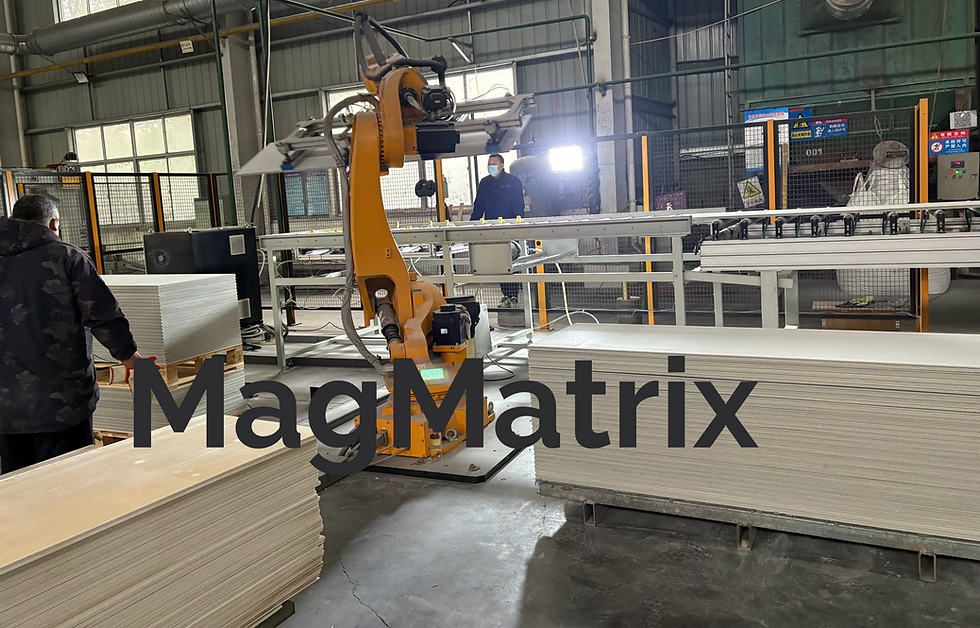
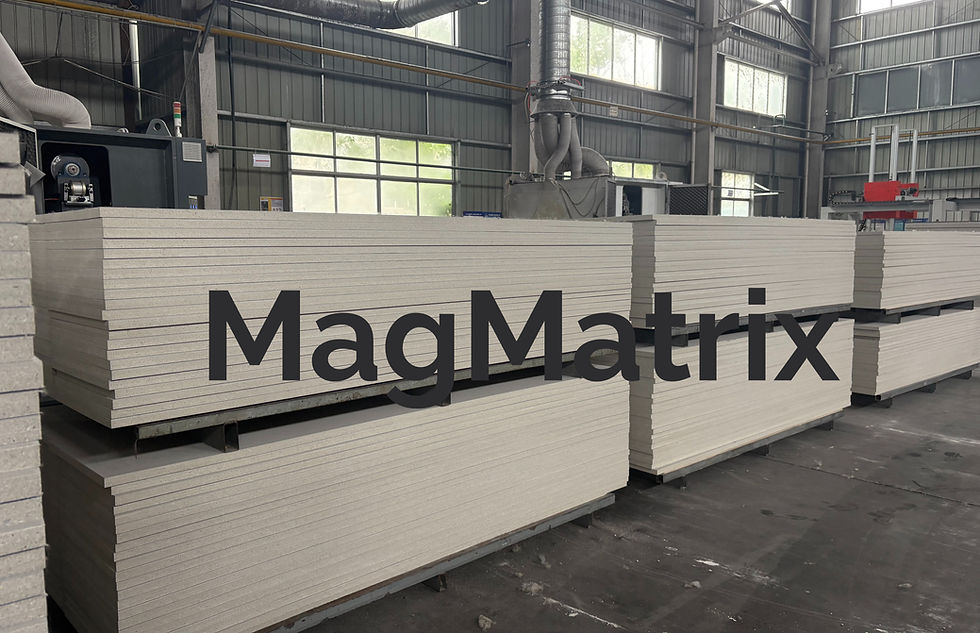
MGO sheathing board has become a popular choice among builders who want exceptional durability and safety. This innovative material combines magnesium oxide with reinforcing fibers and additives to create a cement-like structure that delivers impressive results.
MGO sheathing board key features
MGO boards excel at fire resistance with a Class A rating that shows zero flame spread and zero smoke development. These panels can handle temperatures up to 1,472°F (800°C) without catching fire.
MGO sheathing delivers several benefits:
· Strong moisture resistance that prevents warping or swelling during brief exposure
· Tough impact resistance reaching 4.5 kilojoules compared to gypsum's 1 kilojoule
· Great fastener grip strength that tops 155 lbs with a single #10-13 pancake head screw
· Shear stress capability above 280 psf at half-inch thickness
MGO sheathing board pros and cons
Pros:
· Non-combustible properties make it perfect for fire-rated assemblies
· Resists moisture and prevents warping in humid conditions
· Stays free from mold and pests due to inorganic makeup
· Works well with many finishes like paint, stucco, and siding
Cons:
· Costs more than options like gypsum drywall
· Most materials come from overseas which can cause supply issues
· Creates dust during installation so safety gear is needed
· Not much long-term performance data exists
MGO sheathing board pricing
MGO boards cost between $1.50 to $3.50 per square foot, which is 2-4 times more than regular drywall. The higher upfront cost often pays for itself through lower maintenance and fewer repairs.
Best use cases for MGO sheathing board
MGO works great in areas with moisture like bathrooms, kitchens, and coastal properties. It shines in fire-prone locations where safety is crucial. The boards also make an excellent exterior wall base under different cladding systems.
Comparison Table
Material Type | Core Material/Composition | Key Strengths | Fire Resistance | Moisture Resistance | Cost Range (4x8 sheet) | Primary Applications |
Plywood | Cross-laminated wood veneers | Offers 7% more stiffness than OSB, stays light and stable | Not specifically mentioned | Good - dries out fast after getting wet | $10-$44 | Roof sheathing, wet areas, corner installations |
OSB | Wood strands crossed and bonded with adhesives | Even strength throughout, saves resources | Not specifically mentioned | Fair - watch out for long-term moisture | $32-$77 | Regular exterior walls, roof sheathing, subflooring |
Fiber Cement | Portland cement, sand, cellulose fibers, silica | Lasts long, keeps pests away | Won't burn, excellent rating | Top-notch - fights rot and stays flat | $5-$14 per sq ft | Wet zones, fire-risk areas, high-impact spots |
Gypsum | Gypsum core with glass-mat facers | Goes up fast, cuts noise | Holds up to fire for 4 hours | Works well with glass mat facers | $0.50 per sq ft | Fire-safety needs, base for exterior finishes |
Foam Board | Polyiso, XPS, or EPS foam | Great insulator, blocks air flow | Limited (catches fire) | Excellent, XPS leads the pack | Not specified | Outside insulation, moisture-prone spots |
ZIP System | Engineered wood with built-in barrier | Complete package, quick setup | Not specifically mentioned | Good - stays strong for 180 days | $32-$51 | Modern builds, fast dry-in needs |
MGO | Magnesium oxide with reinforcing fibers | Tough against impacts, built to last | Class A rated, zero spread | Excellent - keeps its shape | $1.50-$3.50 per sq ft | Wet areas, fire-rated builds |
Conclusion
Wall sheathing material choice affects your building's structural integrity, energy efficiency, and long-term performance. This piece explores seven trusted sheathing options that offer distinct advantages for specific applications.
Plywood remains excellent with superior moisture handling capabilities and dimensional stability, though it costs more than alternatives. OSB has taken over the market without doubt due to its budget-friendly nature and consistent quality. It works well for standard exterior wall applications despite some moisture issues.
Specialty options tackle specific challenges head-on. Fiber cement sheathing delivers exceptional durability and moisture resistance - a great fit for coastal regions. Gypsum sheathing protects structures from fires for up to four hours. Foam board cuts energy costs by a lot over time through superior thermal performance.
State-of-the-art systems keep pushing boundaries. ZIP System makes construction faster by combining structural sheathing with built-in moisture barriers. MGO boards provide impressive fire and moisture resistance for tough applications.
Your project's requirements should guide your selection. Local climate conditions, budget limits, building codes, and specific performance needs play a vital role in this decision. Plywood or fiber cement might work better in high moisture areas, while gypsum or MGO options suit fire-prone regions better.
Builders often mix materials strategically. They combine structural sheathing like OSB or plywood with continuous insulation from foam boards. This creates high-performance wall systems that meet strict energy codes.
Quality installation matters just as much as material choice. Even top-tier sheathing fails if it's installed wrong or left exposed beyond manufacturer guidelines. Experienced professionals can help you pick the best sheathing solution for your specific project.
These seven trusted wall sheathing options give you the knowledge to balance performance, durability, and cost for your next building project effectively.
Comments