
How to Choose Moisture-Resistant Types of Subfloor: Expert Guide 2025

A shocking 98% of U.S. basements face water damage risks. This statistic emphasizes the significance of proper subfloor selection to protect your home's structural integrity and extend its life.
Your flooring can suffer serious damage from high humidity levels alone. Moisture-resistant subfloor panels become vital in many cases. The subfloor's foundation distributes weight, maintains stability, and manages moisture for your finished floors. Basement areas with 80-90% humidity levels might not get enough protection even from a powerful dehumidifier running constantly.
We created this detailed guide to direct you through subfloor material options available in 2025. MGO subfloor panels deliver exceptional fire resistance and moisture protection. You'll learn everything about specialized basement subflooring types. Your investment needs appropriate subflooring protection, especially in wet areas like bathrooms and kitchens.
Understanding today's subfloor material options helps you make smart decisions. The right choice prevents damage that can get pricey and extends your flooring system's life. Let's explore why moisture resistance matters and how it shapes your subfloor selection.

Why Moisture Resistance Matters in Subfloors
Your home's subfloor has one major enemy - moisture. It can cause severe damage before you notice any visible problems. You need to understand this relationship to choose the right types of subfloor for your home.
How moisture affects flooring systems
Moisture damages flooring systems in several ways. Wood and most materials are hygroscopic, which means they absorb and release moisture based on their environment. This back-and-forth process puts stress on the entire floor structure. It also makes concrete slabs release moisture vapor that moves up through the porous material. This vapor can break down adhesives and create perfect conditions for mold to grow.
Your floor's adhesives break down as moisture takes its toll. The structural integrity weakens and warping occurs. Even water-resistant flooring can fail if the subflooring stays damp.
Common signs of subfloor water damage
You can save thousands in repairs by spotting water damage early. Look out for these warning signs:
· Physical changes: Your flooring might warp, buckle, or cup when moisture seeps in. Dark or discolored spots usually show up as early warnings.
· Tactile indicators: The floor feels soft, spongy, or unstable under your feet when the subfloor has deteriorated. Water creates these soft spots by penetrating deep into subfloor materials.
· Sensory clues: A musty smell usually means mold is growing beneath your floors. You'll often notice this smell before seeing any damage.
Loose toilets or fixtures often point to subfloor decay from long-term moisture exposure.
Why basements and bathrooms need special attention
Basements and bathrooms need extra moisture protection in their subfloor materials. Soil puts constant moisture pressure on basement floors since they sit below ground level. Concrete slabs let moisture vapor rise through them naturally, even without flooding.
Bathrooms face unique challenges. Steam, splashes, and occasional overflows create constant dampness. Without the right moisture resistant subfloor panels, water can seep into structural elements and damage nearby rooms.
Modern subfloor panels for wet areas use special materials like MGO (magnesium oxide). These materials resist moisture while staying strong. The right subfloor system protects against expensive structural damage and stops dangerous mold from growing.
Top Moisture-Resistant Subfloor Materials in 2025
Picking the right types of subfloor can make or break your flooring project, especially when you have moisture-prone areas. The 2025 market gives you several advanced options that balance durability with moisture resistance. Let's get into the top contenders.
MGO subfloor panels: fireproof and eco-friendly
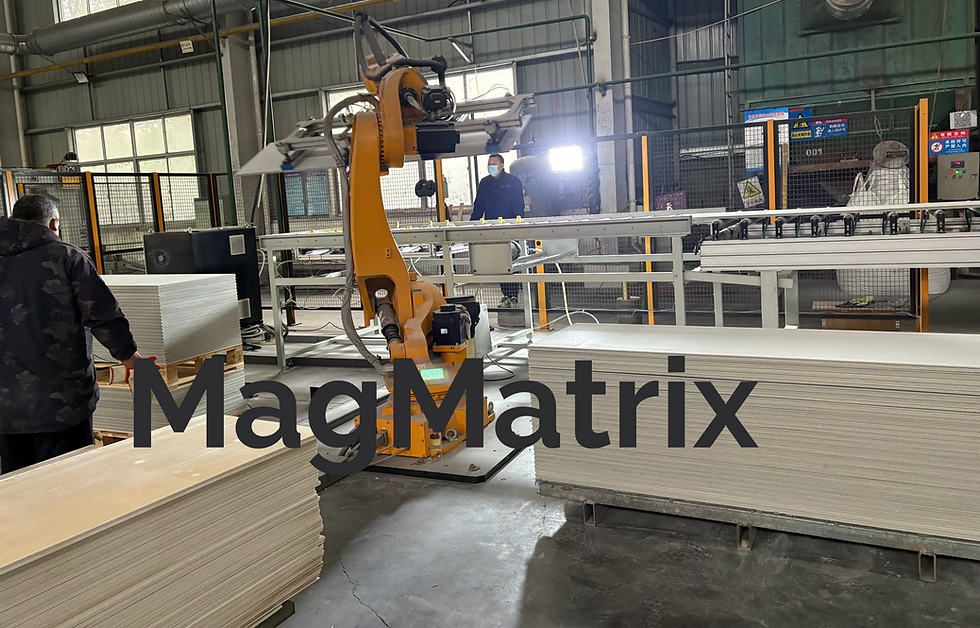
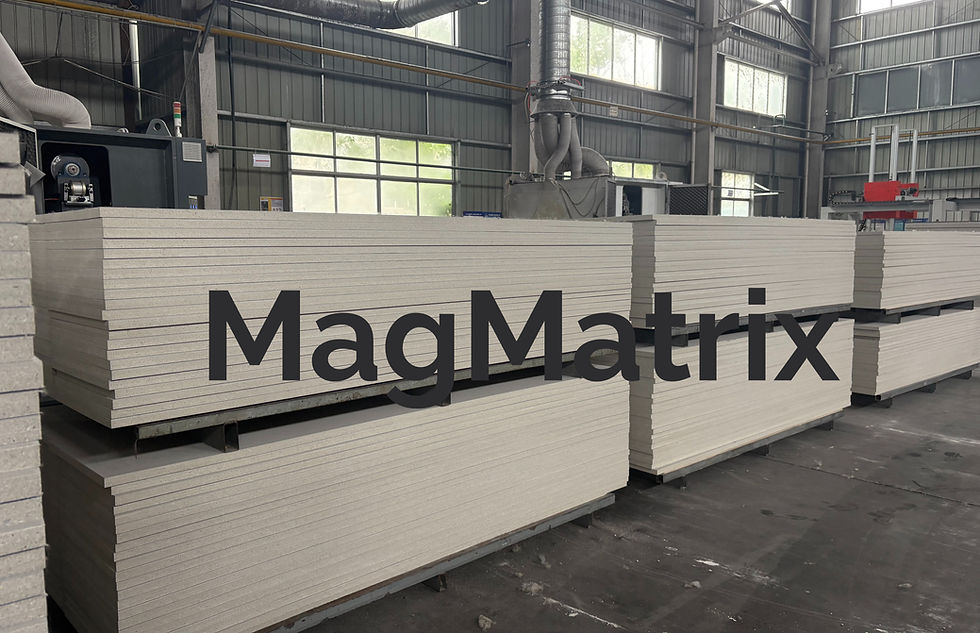
MGO (magnesium oxide) subfloor panels are leading the market with impressive moisture resistance. These panels stay structurally sound in humid environments and won't swell, warp, or rot when moisture hits them. MGO boards reach a material strength of 13.36Mpa and easily handle standard 24-inch joist spacing. These panels are safe for indoor air quality since they contain no asbestos, formaldehyde, or VOCs. Nothing matches their fire resistance - they stay intact at temperatures up to 800°C.
Plywood: versatile and moisture-tolerant
Plywood stays popular because its cross-laminated structure minimizes expansion and shrinkage. Marine-grade or exterior-rated plywood works great for bathroom subflooring with superior moisture resistance. CDX plywood uses moisture-resistant adhesive that keeps boards together well. The boards bounce back better from moisture exposure than other options and return closer to their original size after drying.
Concrete: ideal for tile and wet areas
Concrete delivers exceptional durability and moisture resistance that makes it perfect for tile installations. It supports heavy loads like large furniture or industrial equipment easily. A properly sealed concrete floor creates an effective barrier against ground moisture. This makes it valuable in damp areas like basements.
Cement board: best for bathrooms and kitchens
Cement board stands out in wet environments with its remarkable water resistance. It stays solid without swelling or breaking down when wet. Made by sandwiching concrete between fiberglass mesh layers, cement board has the industry's lowest water-absorption rating. You'll find it works perfectly for bathroom floors, shower surrounds, and kitchen backsplashes.
OSB: budget-friendly with limitations
OSB (Oriented Strand Board) gives you an affordable option, usually $3-$5 per panel less than plywood. Modern OSB like DryMax® barely swells in thickness when it gets wet. But OSB needs more time to dry once wet and its edges might swell permanently with exposure. It works best in spaces that have moderate humidity levels.
Engineered wood: improved stability in humid zones
Engineered wood subfloors give you better stability when humidity changes. Their layered construction fights wood's natural tendency to expand or contract with moisture changes. These floors work well in places where moisture resistance matters and perform great in areas where humidity hits 50% or higher. A three-layer construction with hevea core keeps the floor stable all year round.
How to Compare and Choose the Right Subfloor
Picking the right types of subfloor needs a review of multiple factors. Smart choices now help avoid repairs that can get pricey later.
Match subfloor to flooring type
Your subfloor and finished flooring need to work together perfectly for the best results. Tiles just need rigid, moisture-resistant bases like concrete or fiber cement. Plywood subflooring works best with hardwood, while laminate does well with smooth, stable surfaces like plywood or particleboard. Cement board creates the perfect base for tile installations in bathrooms and kitchens.
Review moisture levels in your space
Moisture testing must happen before installation begins. Wood subflooring needs checks in at least 20 spots per 1,000 square feet. Wood subflooring's acceptable moisture readings usually fall between 6% and 9%. Concrete slabs need relative humidity testing (ASTM F2170), with levels staying below 75%. Moisture barriers help maintain warranties for flooring installed over concrete.
Review long-term durability vs. upfront cost
Premium materials offer better value over time, despite higher original costs. MGO panels might cost more at first but cut down maintenance costs through better moisture resistance. OSB offers a budget-friendly choice, usually $3-5 per panel less than similar plywood.
Environmental impact and sustainability factors
Subfloor choices now depend more on environmental factors. Wood and other plant-based materials show lower environmental effects in lifecycle assessments. Products with eco-friendly certifications minimize carbon footprint and work well for sustainability-focused projects. Some traditional choices like wool carpeting show surprisingly high global warming effects.
Installation and Maintenance Tips for Wet Areas
The right installation turns moisture-resistant materials into reliable protection that safeguards your home.
Preparing the surface: leveling and sealing
Your subfloor needs to be clean, dry, and level before you start the installation. Check moisture levels at multiple spots across the room. You should perform at least three moisture tests for every 1,076 sq ft of floor space when working with concrete. A flat surface is vital to proper installation, so use self-leveling compound to fill any low spots.
Using vapor barriers and underlayments
Underlayment with vapor retarder properties is a vital component, especially when you have basement or below-grade installations. Concrete subflooring demands a moisture barrier since it releases water vapor naturally. You can choose from polyethylene sheeting (6-mil thickness minimum), vapor retarder paint, or rolled membranes. The sheets need a six-inch overlap and vapor barrier tape sealing to provide continuous protection.
Best practices for MGO and cement board installs
MGO boards require carbide-tipped tools to cut properly. The structural stability improves when you stagger joints between panels. Apply construction adhesive where panel edges meet. Joists should support board ends, and leave 1/8 inch gap near perimeter walls to allow expansion.
Ongoing care to prevent mold and rot
Early detection of moisture problems depends on regular monitoring. Set up dehumidifiers in wet seasons. Look for water stains, soft spots, or musty odors monthly. Critical areas need sealant reapplication every 1-2 years.
Conclusion
Picking the right moisture-resistant subfloor can make or break your construction or renovation project. Water damage threatens almost every basement, and good subflooring protects against this constant enemy.
Your subfloor material choice affects how long your entire flooring system lasts and performs. MGO panels give you top moisture resistance and fireproofing benefits, while plywood offers flexibility at better prices. Cement board works best in wet spaces, making it ideal for bathrooms and kitchens.
Match your subfloor to your finish materials before making the final call. You should test moisture levels in your space before starting installation. This simple step saves you from headaches later.
Quality moisture-resistant subflooring is worth every penny through lower maintenance costs and fewer repairs. The upfront cost might look high, but this investment protects your home from devastating water damage for years.
Good installation methods boost your subfloor's ability to fight moisture. Using vapor barriers and sticking to manufacturer guidelines improves performance by a lot, especially in tough spots like basements or bathrooms.
Your subfloor is the foundation for beautiful, lasting floors in your home. With this complete knowledge, you can now pick the right moisture-resistant subflooring that fits your performance needs, durability requirements, and budget.
Comments