
Exterior Wall Sheathing Guide: Expert Picks for Maximum Durability

Your home's exterior wall sheathing acts as crucial armor that provides structural integrity and creates a protective barrier against environmental elements. A properly installed sheathing strengthens the entire wall system and offers a secure nailing base for siding while protecting against outside forces.
The right wall sheathing can substantially affect your building's durability and performance. Both structural and non-structural sheathing options serve different purposes in today's market. We strengthened walls with structural sheathing, while non-structural varieties help insulate the home. Modern builders can choose from traditional wood-based materials to innovative options like Thermo-Brace that doubles as a water-resistive barrier.
In this piece, you'll learn about the top sheathing exterior wall materials available today, including oriented-strand board, plywood, structural fiberboard, and foam board. The market's history shows interesting trends - Celotex dominated from the 1930s through the 1980s before facing challenges with its composition. This detailed guide will help you understand which types of sheathing best match your building needs and budget constraints.
Understanding Structural vs Non-Structural Sheathing
The difference between structural and non-structural sheathing shapes how exterior walls work in construction. Each type serves a unique purpose, and they work together to create strong, efficient walls.
What is structural wall sheathing used for?
Structural sheathing makes your home's frame stronger by connecting wall studs. This creates a rigid exterior that stands up to twisting and bending forces. Your home's framework gets vital shear strength from this sheathing, which helps walls handle powerful sideways forces from wind, earthquakes, and settling. Materials like plywood and oriented strand board (OSB) work great here because they last long and can bear heavy loads. Structural sheathing also gives you a solid base to nail exterior siding, so it stays put even in bad weather. These panels help keep individual studs lined up right and stop them from buckling sideways, which could lead to crooked walls.
How non-structural sheathing improves insulation
Non-structural sheathing's job is all about insulation and managing moisture, not supporting the structure. It creates a tight seal around your building that cuts down heat transfer through walls substantially. Foam board insulation gives you great R-values from 5 to 7 per inch. Polyisocyanurate boards rank highest among common options. This type of sheathing covers spots where heat escapes (like metal studs) that regular cavity insulation might miss. Your home stays at steady temperatures as a result, and you spend less on heating and cooling year-round.
When to combine both types for best results
The best exterior wall systems often use both types of sheathing together. If you live somewhere with tough weather, put structural sheathing on first to get strength, then add non-structural insulating panels to save energy. You'll get the perfect mix of structural strength and temperature control this way. Builders today lean toward using both types more often, especially where weather gets extreme or energy codes are strict. Check your local building rules first though - requirements vary a lot between different areas and climate zones.

Top 5 Structural Exterior Wall Sheathing Materials
The right structural sheathing material creates the foundation of a durable, resilient exterior wall system. Different options work better for specific building scenarios and climate conditions.
Plywood: Cross-laminated strength and moisture resistance
Plywood sheathing uses whole wood sheets with cross-lamination to create exceptional strength and stiffness. This process helps control expansion and contraction. Plywood weighs 15-19% less than OSB, which makes it easier to handle on job sites. It resists moisture well and dries quickly after getting wet. The price tag runs higher than other options, but plywood stays dimensionally stable when temperatures change and doesn't have the edge swelling problems that affect other materials. Many contractors use plywood at corners or in places that need cut sheets instead of factory-sealed edges.
OSB: Budget-friendly with high shear strength
Oriented strand board combines hundreds of thin wood strands hot-pressed with wax and resin adhesives. OSB costs about half as much as plywood while matching its structural performance. The manufacturing creates panels that stay dense and solid throughout without soft spots. In fact, OSB beats plywood in shear strength—about 2 times stronger through its thickness. The material takes longer to absorb moisture and dry out compared to plywood. It works great in high-humidity environments like Texas, and the Texas Department of Insurance backs this up.
Gypsum: Fire-resistant but moisture-sensitive
Gypsum-based structural sheathing has a noncombustible core made mostly of gypsum with paper surfacing. Fire-resistance makes this material perfect for safety-focused projects. The material cuts down sound transmission and lasts long at a good price. Moisture poses a challenge though - you should skip it in bathrooms, laundry rooms, and other damp areas. Most 5/8" sheets come with a Type X core built for fire-rated assemblies.
Cement Board: Perfect for tile and masonry finishes
Cement board combines Portland cement with glass-fiber mesh reinforcement to create wall-ready sheets. This non-combustible material serves as a solid base for tile and other masonry products. Products like HardieBacker come with MoldBlock® Technology that fights mold growth. Whatever the environment throws at it, cement board won't split, crack, or move, so tile installations stay secure.
Thermo-Brace: WRB-rated and dimensionally stable
Thermo-Brace structural sheathing uses high-quality, long fibers and specially-treated water-resistant plies. Building codes IRC section R703.2 and IBC Section 1404.2 approve this innovative material as a water-resistive barrier (WRB). It also works as an air barrier material under IRC Section N1102.4.1.1 and IECC Sections. These panels measure 0.095" thick and weigh 0.348 lbs per square foot. The stable composition helps maintain wall system integrity while sealing the building envelope.
Top 3 Non-Structural Sheathing Materials for Insulation
Non-structural sheathing materials focus on insulation performance rather than load-bearing capacity to create a more energy-efficient building envelope. These specialized products work well with thermal efficiency gaps that structural materials don't handle effectively.
Foam Board: Rigid insulation with radiant barrier
You can find foam board sheathing in several formulations including polystyrene and polyisocyanurate, each giving high R-values in a compact profile. These rigid plastic panels have become essential in both residential and commercial construction projects.
The foam boards stop thermal bridging through wall studs and keep interior temperatures consistent throughout seasonal changes. Some foam board varieties come with integrated film facers that serve as code-compliant water-resistant barriers (WRB) and provide moisture protection. ThermalStar Laminated Wall Insulation shows this multifunctional approach with R-values typically available in R3 and R5 configurations. Higher values up to R15 are available for challenging climate zones.
Cellulose Fiberboard: Eco-friendly and sound-dampening
Cellulose insulation turns recycled paper into highly effective thermal protection with up to 85% recycled content. This eco-friendly option cuts down waste by moving materials from landfills to practical building applications. Cellulose gives impressive R-values between R-3.2 and R-3.8 per inch. These values beat loose-fill fiberglass which reaches only R-2.2 to R-2.7 per inch. The material's superior density helps it dampen sound transmission through walls effectively. Manufacturers add fire-retardant borate compounds to cellulose, giving it a Class 1 fire rating. Lab tests show that cellulose provides up to 57% better fire resistance than typical residential insulation types.
Foil-faced Panels: Reflective insulation for energy savings
Foil-faced insulation uses reflective aluminum layers to redirect radiant heat away from living spaces. Unlike regular insulation that just slows conductive heat transfer, these reflective systems block up to 97% of radiant heat movement. Most foil insulation products use a foam core between reflective layers to create a lightweight yet effective thermal barrier. The reflective properties work best when installed facing an air space, especially in attic applications where they can cut cooling costs by 5-10% in warm climates. These products also work as vapor barriers and control moisture migration through wall assemblies. This multipurpose sheathing works best in hot regions where reflecting solar heat makes a big difference in energy efficiency.
Installation Tips and Material Comparisons
The long-term performance of exterior wall sheathing depends on proper installation techniques. Your building envelope will deliver maximum protection against environmental forces if you follow manufacturer-specific guidelines.
Fastening methods for OSB vs Plywood
OSB and plywood need different fastening approaches despite their structural similarities. Flush nailing works best for OSB instead of countersinking because this prevents edge damage that could compromise water resistance. Plywood gives superior fastener grip and proves more forgiving during installation. Material efficiency varies - a worker can install about 74 square feet of OSB per hour with minimal help. The structural integrity demands staggered joints and 3/16 inch gaps between panels to handle natural expansion and contraction.
Moisture management: Sealants and house wrap
A properly installed water-resistant barrier starts effective moisture management. Tyvek® HomeWrap® installation needs vertical seams overlapped by at least 6 inches and horizontal seams by at least 4 inches. Manufacturer-approved tape should seal all seams, which improves performance by about 20%. The bottom edges of house wrap need sealing to the foundation with acrylic tape products like Siga Fentrim. This layered strategy prevents bulk water from getting in while letting water vapor escape, which protects the sheathing from damage.
Cost breakdown: Material and labor estimates
OSB costs 15-30% less than similar plywood panels. A standard 4×8 sheet of OSB ranges from $13.49-$16.74, while plywood costs between $18.49-$23.34. Large projects show significant savings - about $909.45 for a typical 2,500 sq. ft. house. The original costs matter but long-term performance deserves attention too. Both materials have similar labor expenses that mainly differ in how well they install and last under tough conditions.
When to use MGO board for exterior wall sheathing
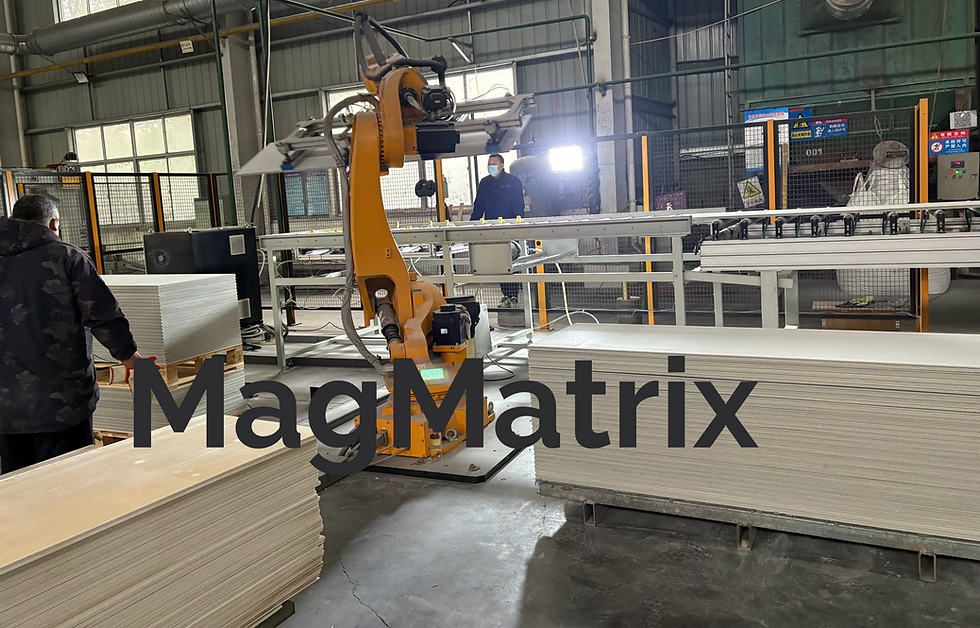
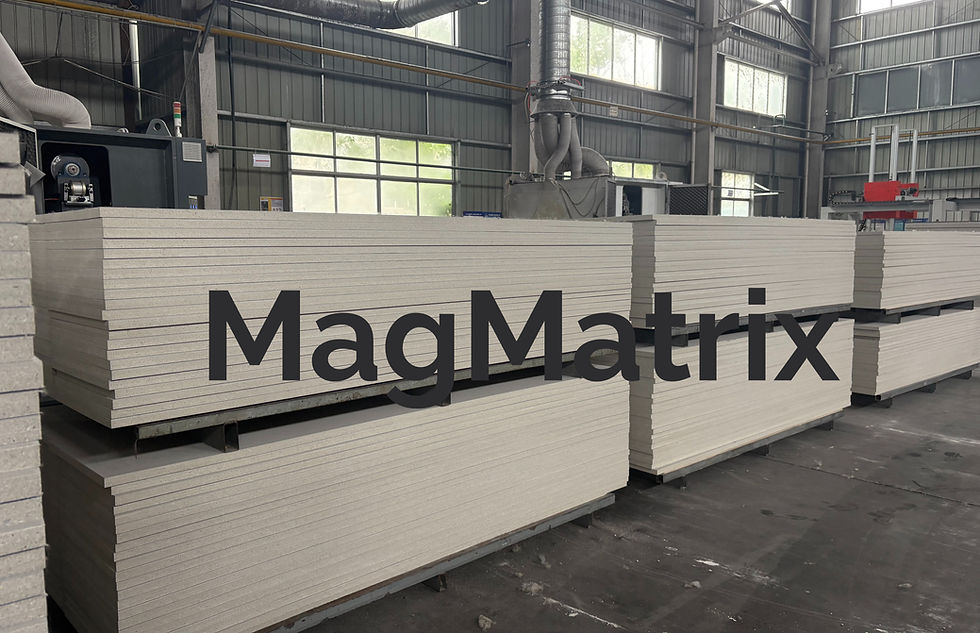
MGO board shines as exterior sheathing where moisture levels run high or better fire resistance matters. MGO stands apart from wood-based products because it resists water absorption, mold growth, and burning. The installation needs carbide-tipped blades for cutting and follows other rigid sheathing procedures - you start at the bottom and work up. Manufacturer certifications need checking before choosing MGO since some early formulations with MgCl₂ caused bad corrosion issues. Modern sulfate-based MgO boards handle moisture better and avoid many earlier problems.
Conclusion
Wall sheathing selection ranks among your biggest decisions during construction. Your home's armor and insulation depend on it, and sheathing creates a protective barrier against nature while providing structural strength.
Plywood and OSB give you different advantages as structural sheathing options. Plywood works better at resisting moisture and stays dimensionally stable, though it costs more. OSB performs just as well structurally at half the cost, which makes it popular for budget-friendly projects. Products like gypsum, cement board, and Thermo-Brace each shine in specific uses or weather conditions.
When it comes to non-structural sheathing, insulation and moisture control take center stage. Foam board packs impressive R-values into a slim profile. Cellulose fiberboard gives you eco-friendly benefits and dampens sound well. On top of that, it helps that foil-faced panels reflect heat effectively in hot climates.
Material choice matters as much as how you install it. Long-term performance depends on proper fastening, moisture control, and material-specific details. You must follow manufacturer guidelines whatever sheathing type you pick.
Your choice should weigh several key factors: local weather, budget limits, energy needs, and structural demands. Many builders now combine structural and non-structural sheathing to get the best results. This two-layer strategy creates walls that stand up to weather and minimize heat transfer.
Learning about these options helps you make smart choices that boost your building's durability and efficiency. The right sheathing protects your investment for decades, which makes this technical choice worth your time to think about carefully.
Comments