
Environmental Benefits of Magnesium Oxide Board for Green Buildings

Choosing magnesium oxide (MgO) board for construction offers significant environmental and health benefits. This eco-friendly material traps carbon dioxide during its curing process, actively reducing pollution. It is also non-toxic, free from formaldehyde and asbestos, and prevents mold growth, making it ideal for schools and hospitals where air quality is paramount.
Key Takeaways
Carbon Capture: Traps CO2 during drying, lowering atmospheric pollution.
Non-Toxic: Free from harmful substances, ensuring cleaner indoor air.
Safety: Highly fire-resistant and mold resistant.
Energy Efficient: Requires less energy to manufacture than traditional boards.
Durable: Long-lasting and recyclable, reducing waste and replacement costs.
What is Magnesium Oxide Board?
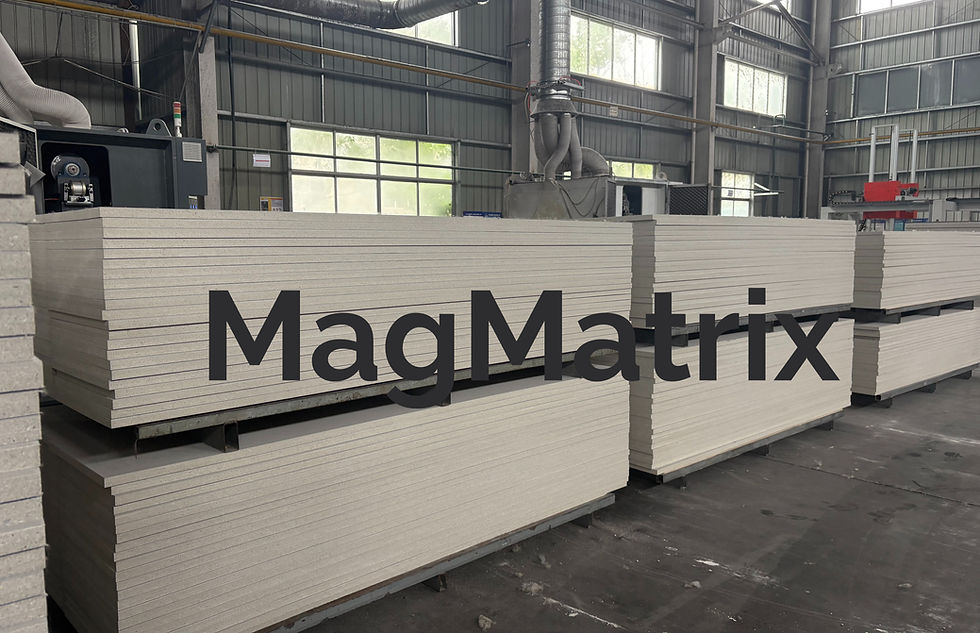
MgO board is composed of magnesium oxide, magnesium sulfate, perlite, wood fibers, and fiberglass mesh. Unlike gypsum board, it uses minerals and fibers to create a stronger, more durable product that resists fire, moisture, and rot. It captures CO2 during manufacturing and is lightweight for easy installation.
Common Uses:
Commercial buildings and public infrastructure
Schools and healthcare facilities
Recreational spaces and highway tunnels

Environmental Advantages
Carbon Capture: MgO boards generate significantly less CO2 (340 kg/ton) compared to gypsum (740 kg/ton).
Low Energy Production: Manufacturing requires less energy than cement or gypsum boards.
Safe Materials: Certified free of toxins, meeting strict health standards (including CE Marking and ISO 9001).
Production Impact
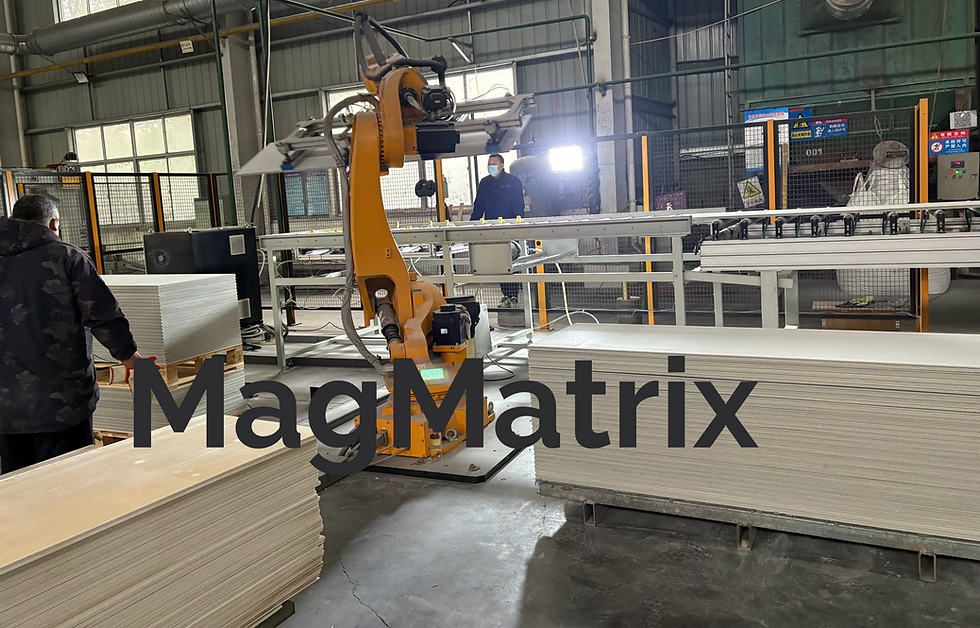
MgO boards are made from natural minerals like magnesium oxide and chloride. Their production creates 40–50% less carbon dioxide than cement boards. Unlike traditional materials, they avoid harmful VOCs, contributing to cleaner indoor environments and sustainable building practices.
Performance and Durability
MgO boards are robust and long-lasting, reducing the need for frequent replacements. They are resistant to fire (Class A rating), mold, and pests like termites. When they reach the end of their lifecycle, they can be recycled, supporting a circular economy and minimizing landfill waste.
Comparison: MgO vs. Traditional Boards
Feature | MgO Boards | Cement/Gypsum Boards |
Environmental Impact | Low carbon footprint, recyclable | Higher energy use and emissions |
Durability | High; moisture and fire resistant | Susceptible to warping or rot |
Cost | Comparable installation; lower lifetime cost | Higher long-term maintenance costs |
Challenges and Limitations
While advantageous, MgO boards face some hurdles. Poorly manufactured boards may suffer from moisture issues in humid climates due to chloride salts. Additionally, regulatory barriers and a lack of awareness in some regions can slow adoption. Always verify certifications and quality before selection.
Conclusion
Magnesium oxide board is a superior, eco-conscious choice for modern construction. It offers safety, durability, and significant environmental benefits, from reduced carbon footprints to improved indoor air quality.
Comments