
7 Eco-Friendly Drywall Alternatives for Modern Home Design

Traditional gypsum boards show concerning environmental drawbacks, making drywall alternatives more important than ever. Standard gypsum board production generates a massive 740kg of CO2 per ton. The manufacturing process requires intensive energy use that harms our environment.
The construction industry has embraced green building materials. More homeowners, architects, and builders now want sustainable options to create healthier living spaces while reducing their environmental footprint. Magnesium oxide (MgO) boards stand out as a compelling alternative. They generate only 340kg of CO2 per ton compared to gypsum's 740kg.
Let me show you seven green drywall alternatives that deliver excellent performance. These options range from MgO boards that resist fire for up to four hours to carbon-negative hempcrete that absorbs more CO2 than it releases. You'll find solutions here that regular drywall can't match. The alternatives work great for bathroom renovations needing moisture resistance or complete eco-friendly home builds.
Magnesium Oxide (MgO) Boards For drywall Alternatives
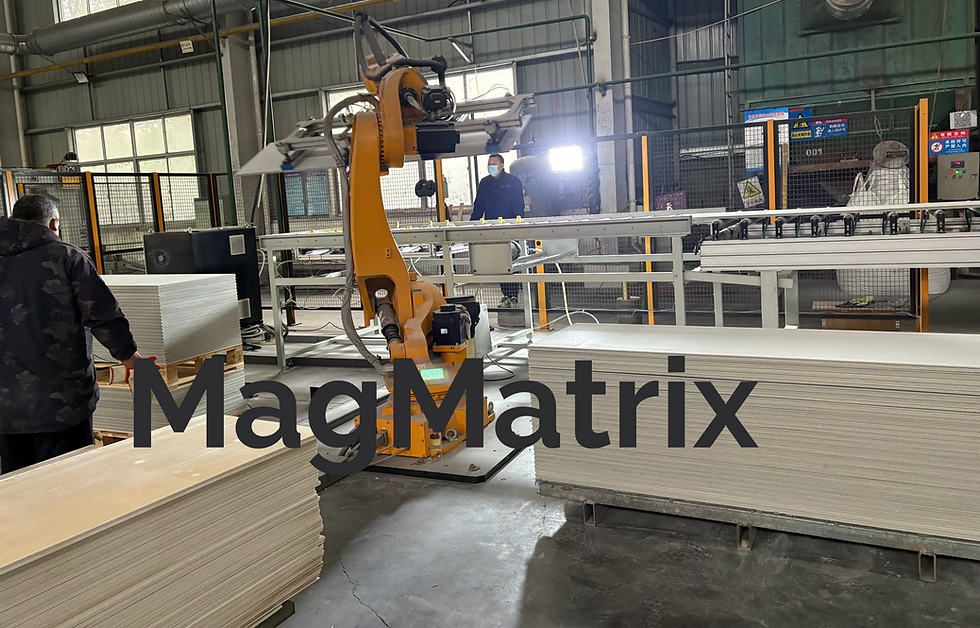
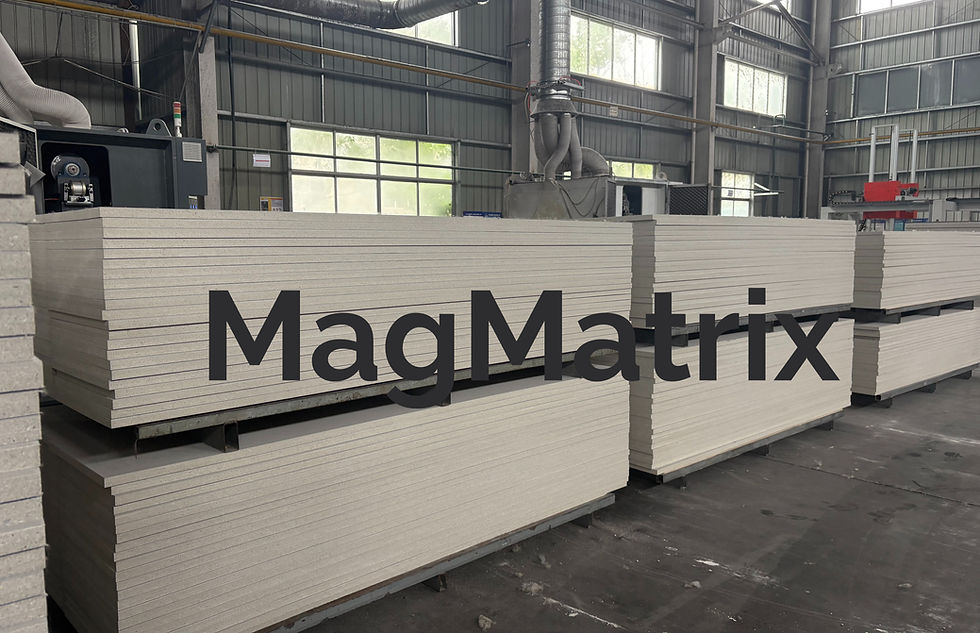
MgO boards are pioneering the future of drywall alternatives. These boards give construction professionals a eco-friendly building material that's both durable and sustainable. These next-generation boards outperform traditional gypsum-based products in several ways.
MgO Board Key Features
MgO boards shine when it comes to fire resistance. Tests show they meet A1 non-combustible standards under EN 13501-1, with no visible flames even at 1200°C. The boards create partition systems that resist fire for over 3 hours when combined with metal studs and rock wool.
These boards really prove their worth in wet conditions by keeping their structural integrity intact. Boards work perfectly after 72 hours underwater and natural drying. They also handle freeze-thaw cycles without swelling, warping, or falling apart.
The boards' light weight—0.8-1.2g/cm³—cuts interior wall load by over 60%. This is a big deal as it means better seismic resistance and structural safety. The boards' unique microporous structure delivers great thermal and acoustic benefits. Standard 6mm boards reduce airborne sound by 29dB.
You'll find these boards easy to install. They work with standard tools for cutting, nailing, screwing, or painting. Brad nails, gun nails, and self-tapping screws all work fine without special equipment.
MgO Board Environmental Impact
MgO boards mark a major step forward in eco-friendly building materials. They create only 340 kg of CO2 per metric ton during production. That's nowhere near the 740 kg per ton from concrete or gypsum. You're looking at a carbon footprint that's 50% smaller than regular options.
These boards actually absorb carbon dioxide while they cure. The manufacturing happens at room temperature and uses just 25 to 50 percent of the energy needed for calcium hydroxide or Portland cement.
The boards are completely safe. You won't find any asbestos, formaldehyde, ammonia, silica, or benzene—toxins common in regular building materials. Instead, they use natural magnesium oxide from seawater or magnesite.
MgO Board Ideal Use Cases
MgO boards work best in:
· Moisture-prone areas: They keep bathrooms, kitchens, and basements dry and mold-free
· Fire-sensitive locations: Perfect for schools, hospitals, and high-rises with strict fire codes
· High-traffic zones: Commercial spaces and corridors need their superior impact resistance
· Exterior applications: They handle outdoor exposure with proper sealing or coating
· Acoustic environments: Great for hotels, office partitions, and studios needing sound control
You can use them for walls, ceilings, subflooring, and exterior sheathing—both practical and decorative.
MgO Board Pricing
2025 prices for MgO boards run from USD 1.50 to USD 3.50 per square foot, based on thickness, density, and finish. A 4×8 foot sheet costs between USD 48 and USD 80.
Different thicknesses mean different prices:
· 6mm sheets (great for ceilings): USD 8.00-12.00 per m²
· 8mm sheets: USD 10.00-15.00 per m²
· 12mm sheets (standard walls): USD 14.00-20.00 per m²
Regular drywall costs less (USD 0.30-0.70 per square foot), but MgO boards often save money long-term. They need less maintenance, last longer, and might lower your insurance premiums thanks to better fire protection.
Manufacturers point out that installation can offset the higher upfront cost. The "tile" approach to joints lets you paint the same day, and you don't need corner beads—both saving money compared to regular drywall.

Fiber Cement Boards
Fiber cement boards are a strong drywall alternative that offers both durability and design flexibility. These boards blend cement, sand, and cellulose fibers to create a tough building product that works better than regular gypsum boards in many ways.
Fiber Cement Board Key Features
These boards are known for their exceptional durability. With the right installation and care, they can last 50 to 60 years, which is much longer than standard drywall options. The way they're made helps them resist warping, shrinking, and swelling when they get wet.
Fire safety is a vital benefit of fiber cement boards. They won't catch fire or burn when exposed to flames. This feature makes them a great choice for homes and businesses that need extra protection.
These boards are also tough against things that usually damage building materials. They handle moisture, humidity, and water exposure really well. Bad weather doesn't bother them either - they stand up to hurricanes, strong winds, extreme heat, freezing temperatures, and UV rays. The boards also keep termites, woodpeckers, and other pests away that usually damage regular building materials.
Sound control is another big plus. The boards have great acoustic properties that cut down noise inside buildings. This makes them perfect for spaces where you need privacy or less sound travel.
Fiber Cement Board Environmental Impact
The environmental benefits of fiber cement boards fall somewhere in the middle. They use some recycled materials but need cement and concrete components that leave a bigger carbon footprint. This puts them in the middle range for eco-friendliness among drywall options.
Some companies are getting greener with their production. James Hardie, one of the biggest makers, uses sand, cellulose fiber, Portland cement, and water. They reuse their water up to four times. The company earned the title of "Greenest Siding Brand" in Green Builder Media's annual Readers' Choice survey for 2020.
These boards help the environment by lasting so long. They can go for decades with little upkeep, so you don't need to replace them as often. This means less waste and fewer resources used compared to materials that don't last as long.
Fiber Cement Board Ideal Use Cases
You'll find fiber cement boards working great in many spots, both in homes and commercial buildings:
· Moisture-prone environments: They work great in bathrooms, kitchens, and laundry rooms because they resist water
· Exterior applications: Perfect for siding, cladding, and roofing since they handle weather well
· Fire-sensitive areas: Schools, hospitals, and commercial spaces love them for their fire-safe properties
· Tile backing: They make an excellent base for tile in wet areas
· Acoustic settings: Great for offices, hotels, and studios that need sound control
· High-traffic zones: Their toughness works well in hallways and commercial areas
The boards are versatile enough to look like wood, stucco, or brick while performing better than these traditional materials.
Fiber Cement Board Pricing
The 2025 prices for fiber cement boards run between USD 5.00 and USD 14.00 per square foot with installation. This puts them in the same price range as mid-grade vinyl siding, though they cost more than regular drywall.
Different types come with different price tags. Large panels (4×8 feet) cost USD 2.50 to USD 15.00 per square foot. Horizontal planks (clapboards) run USD 0.70 to USD 6.00 per square foot. Shingles usually cost USD 2.00 to USD 6.00 per square foot.
Installation adds USD 2.00 to USD 8.00 per square foot to your total cost. You'll want professionals to handle this job because they have the right tools and know how to deal with dangerous silica dust during cutting.
The upfront cost might be higher than standard drywall, but homeowners often find these boards worth it because they need less maintenance and last longer. Their mix of performance features and moderate environmental impact makes them a smart choice for today's green building projects.
Hempcrete Panels
Hempcrete panels are revolutionizing the construction industry as a bio-composite drywall alternative. These innovative panels combine hemp hurds (the woody core of hemp plant stems) with lime-based binders to create a building material that stands unique in today's market.
Hempcrete Panel Key Features
The thermal properties of hempcrete make it stand out from other drywall alternatives. Its thermal conductivity measures 0.06 to 0.07 W/mK—this is a big deal as it means that it's about half of concrete's conductivity. Buildings can maintain temperatures between 60-70°F throughout the year in many climates, which leads to lower energy costs. The material works as a natural temperature buffer. It stores heat and releases it slowly during the day.
You'll find that hempcrete breathes naturally. It responds to changing conditions by absorbing and releasing moisture. This natural breathing prevents condensation while keeping humidity at the right levels. The lime binder makes these walls tough against mold and pests.
Fire safety is a vital advantage of hempcrete. The material can withstand temperatures up to 1200°F for four hours without catching fire. The lightweight, flexible structure moves naturally with building movement without needing steel expansion joints, making it earthquake-resistant.
Hempcrete Panel Environmental Impact
Hempcrete goes beyond being just eco-friendly—it's actually "better-than-zero-carbon." The material captures more atmospheric carbon during its life than what's released during its production, shipping, and building process. A single cubic meter of hempcrete pulls in about 165kg of CO2. Hemp plants naturally capture carbon dioxide while growing, which makes hempcrete carbon-negative from the start.
The green benefits don't stop at carbon capture. Hemp grows faster—just 12 weeks on 1.5 acres produces enough material for a 1,500-square-foot home. Hemp farming improves soil health and reduces erosion, letting farmers use the same land repeatedly for crops.
Hempcrete Panel Ideal Use Cases
The core team should know that hempcrete works best in non-load-bearing applications. It needs support from timber, metal, or concrete frames. Best uses include:
· Wall insulation and infill panels around timber framing
· Modular and prefabricated housing panels
· Modernizing existing buildings with better insulation
· Passive house construction where stable temperatures matter
· Areas prone to moisture where mold prevention is vital
Builders are using hempcrete panels more often in prefabricated construction. Wall components can be made off-site for quick assembly. The U.S. market is still young—only about 50 homes used hempcrete as of 2018. The International Code Council's 2022 approval for residential construction opens doors for wider use.
Hempcrete Panel Pricing
Right now, hempcrete costs more than traditional drywall. Limited supply chains and processing facilities in North America drive up the price. Cast-in-place hempcrete materials cost around $40/m² plus $65-90/m² for installation. Precast hempcrete blocks with mortar run about $110/m² for materials and $50/m² for installation.
Looking at long-term costs paints a different picture. The original investment might be higher, but hempcrete saves money on energy bills throughout the building's life. The material lasts longer and needs less maintenance, which reduces costs over time.
Experts believe prices will become more competitive as hemp production grows and processing facilities expand. New users should remember that hempcrete isn't just a drywall replacement—it takes the place of multiple layers including insulation, vapor barriers, and interior finishing materials.
Cork Wall Panels
Cork wall panels make use of tree bark's natural properties to create an elegant drywall alternative with remarkable acoustic properties. The bark comes from cork oak trees without causing any harm, and these versatile panels are an eco-friendly choice for modern interior design.
Cork Panel Key Features
Cork's most impressive feature is its sound absorption capability. Studies show that just 3mm of cork can block up to 10 decibels of sound. This exceptional acoustic performance comes from cork's unique cellular structure—countless air-filled cells that naturally trap and soften sound waves.
The material also excels at thermal insulation. Its honeycomb structure regulates room temperature effectively, which helps buildings become more energy-efficient. Cork wall coverings help keep temperatures steady by reducing heat transfer between spaces.
The material resists fire really well. Cork burns slowly and doesn't release toxic fumes during combustion. It's also incredibly durable—cork panels heal themselves after push pin use. They resist scratches and recover from bumps, unlike regular painted walls that chip or crack easily.
Cork wall panels are hypoallergenic, antimicrobial, and naturally fight off mold and mildew. These qualities make them valuable, especially when you have chemical sensitivities or allergy concerns.
Cork Panel Environmental Impact
Cork stands out as an ideal eco-friendly material. Workers harvest only the bark to make cork products, and it grows back relatively quickly. Cork oak trees can live beyond 180 years and provide multiple harvests throughout their life.
These forests act as powerful carbon sinks. The bark contains high levels of suberin, a waxy substance that locks away carbon dioxide from the atmosphere. Cork forests also support rich biodiversity. They provide homes for endangered species while preventing soil erosion and helping with water conservation.
Cork production is remarkably sustainable—the process is 95% energy self-sufficient. The material is 100% recyclable and biodegradable, which creates a truly circular environmental impact.
Cork Panel Ideal Use Cases
Cork wall panels work best in spaces where sound management matters:
· Music studios and recording environments
· Conference rooms and office spaces
· Theaters and performance venues
· Living rooms and bedrooms for improved comfort
Homes with cork create warm, welcoming spaces while reducing noise between rooms. Restaurants often use cork to reduce echo and create pleasant dining atmospheres.
Cork's versatile look complements almost any design style. The material works well in modern Scandinavian interiors and rustic spaces, either as a subtle backdrop or bold statement piece. Its natural patterns and warm tones add visual interest to rooms.
Cork Panel Pricing
Basic cork wall panels start at $5.33 per square foot, while premium designs cost between $14-20 per square foot. Standard boxes usually cover about 21 square feet.
Panel thickness affects the price. Thicker panels provide better sound and heat insulation but cost more. To name just one example, see the Ledge Stone cork panels—they're among the thickest available and combine agglomerated cork backing with 100% natural cork bark for superior noise insulation.
The installation process is simpler and more affordable than other drywall alternatives. Many cork wall tiles come with peel-and-stick adhesive backing for easy DIY installation. You won't need special tools or skills, which helps offset the upfront material cost through lower labor expenses.
Recycled Gypsum Drywall
Recycled gypsum board offers a fresh take on regular drywall by turning waste into useful building materials. The construction industry's waste management now focuses on circular economy. This makes recycled gypsum a great middle ground between traditional and new drywall options.
Recycled Gypsum Key Features
Recycled gypsum manages to keep the core performance of virgin gypsum products while being better for the environment. The material gives excellent fire resistance through its natural fire-resistant properties, as long as manufacturers keep high purity in recycled content. The right processing creates recycled gypsum that works just like virgin material. Some newer technologies can even achieve 99% pure gypsum powder separated from paper backing.
You can process post-consumer recycled gypsum into raw gypsum powder. This powder works well in new drywall production and agricultural amendments. Such versatility means the material stays useful through multiple life cycles. Clean recycled gypsum works just like virgin materials when properly separated and processed.
Each ton of processed gypsum contains much recycled content. Paper facers in gypsum panels have included recycled paper for over 75 years. This shows the product's long history of partial circularity.
Recycled Gypsum Environmental Impact
Recycling gypsum stops hydrogen sulfide gas from forming in landfills. This gas has no color but smells like rotten eggs. Even small amounts can cause irritability, watery eyes, asthmatic symptoms, and headaches. Recycling not only reduces bad smells at landfills but also saves space and protects natural resources.
Studies show that using recycled gypsum can be better for the environment than natural or FGD gypsum (flue gas desulfurization from coal power plants). This is especially true for land use and resource consumption. But transportation distance plays a big role - long transport routes might cancel out some benefits.
Gypsum's ability to be 100% recycled and biodegraded means we could create drywall products with a completely circular lifecycle.
Recycled Gypsum Ideal Use Cases
Recycled gypsum works great in several ways:
· Closed-loop recycling: Clean scrap from new construction becomes new drywall
· Agricultural applications: Works as fertilizer and soil amendment to improve soil structure and crop health
· Cement production: Helps control setting time and strength in Portland cement
· Composting: Makes compost better by cutting nitrogen losses, improving air flow, and adding calcium and sulfur
· Water treatment: Clears muddy ponds by pulling clay particles together
Clean construction scrap gives much better recovery rates than mixed demolition waste. This makes recycled gypsum work best when material purity stays high.
Recycled Gypsum Pricing
Recycled gypsum prices change based on quality, processing method, and use. Making drywall with recycled gypsum can cut costs since it needs less mining. Experts think recycled gypsum production will triple as more people just need it.
Construction companies pay less for disposal when they recycle drywall. They also earn LEED certifications and meet green building goals. As building codes get stricter about sustainability, recycled gypsum becomes more attractive.
Calcium Silicate Boards
Calcium silicate boards stand out among drywall alternatives. These versatile panels combine calcium, silica and reinforcing fibers through a specialized autoclaving process under high pressure and temperature. Their performance benefits surpass what traditional drywall can offer.
Calcium Silicate Board Key Features
The most impressive quality of calcium silicate is its extraordinary fire resistance. The boards can withstand temperatures up to 1100°C. They qualify as Class A1 non-combustible material and won't burn or release toxic fumes during fire exposure. The boards also excel at thermal insulation with low thermal conductivity of ≤0.105 W/m·K at 400°C.
The boards resist moisture well and don't break down in humid environments. You won't see any warping even with changes in temperature and humidity.
The material's mechanical integrity makes it perfect for precision machining into complex shapes. The boards are tough - they have high compressive strength and resist impact well. This makes them last longer in challenging environments.
Calcium Silicate Board Environmental Impact
These boards are eco-friendly since they use natural materials like silica and lime. The manufacturing process saves energy, which means a smaller carbon footprint compared to other building materials.
The boards help save energy through better insulation. When they reach end-of-life, you can recycle them completely. This supports sustainable construction practices.
Calcium Silicate Board Ideal Use Cases
The boards work great in many settings:
· High-temperature industrial environments: Furnaces, kilns, boilers in power plants and refineries
· Fire-critical areas: Fire doors, escape routes, fireproof walls
· Moisture-prone spaces: Bathrooms, kitchens, basements
· Acoustic management: Office partitions, hotels
· Exterior applications: Façades and cladding systems
Calcium Silicate Board Pricing
The price depends on density, thickness, and performance specs. Standard insulation boards cost between USD 34.49 and 86.00 for common sizes. Density plays a big role in the cost. Boards with 250-300 kg/m³ density are budget-friendly, while high-density 850 kg/m³ versions cost more.
Board thickness affects the price too. You'll find options from 10mm to 100mm. A ½-inch board costs about USD 65.00, while a 1-inch board runs around USD 86.00.
The boards cost more upfront than standard drywall. However, their durability, fire resistance, and low maintenance needs make them worth the investment in the long run.
Wood Paneling (Reclaimed or Engineered)
Wood paneling brings together natural beauty and functionality as a drywall alternative. You get both visual appeal and practical benefits from two main types: reclaimed and engineered options.
Wood Paneling Key Features
Reclaimed wood paneling comes with a story to tell. Salvaged from old barns, factories, and historic buildings, it shows off unique character through its weathered look, nail holes, and distinct grain patterns. The engineered wood option combines real wood veneer with plywood or high-density fiberboard. This makes it stable and helps it stand up to humidity changes.
Both types work great as insulators because they don't conduct much heat and stop air leaks when installed right. Your energy bills typically go down since these panels block heat transfer. On top of that, it works wonders for sound insulation. The thick panels just seem to swallow up noise as it passes through.
The durability story is interesting. Reclaimed wood tends to be tougher - it's 40 points harder on the Janka scale than new wood. This makes sense since it started life as slow-grown timber and has already proven itself over decades or centuries.
Wood Paneling Environmental Impact
Looking at green practices, reclaimed wood keeps useful lumber out of landfills instead of cutting down new trees. This smart reuse cuts down on waste and the just need for fresh timber.
Engineered wood can be eco-friendly too, especially when it uses FSC-certified sources and low-VOC adhesives. In spite of that, its carbon footprint runs higher than reclaimed options unless it uses recycled cores.
Wood Paneling Ideal Use Cases
Wood paneling shines in:
· Living spaces that call for warmth and texture
· Accent walls that grab attention
· Spaces that just need natural elements
· Rooms where sound absorption helps
Wood Paneling Pricing
The price range is quite wide. A 12×12 room with traditional wood paneling runs between $1,000-$15,000. Real wood costs about $8-$20 per square foot, but exotic types can run over $40 per square foot. Reclaimed wood usually costs more because it's harder to source and has unique character.
Comparison Table
Material | Key Features | Environmental Impact | Ideal Use Cases | Price Range (USD) |
Magnesium Oxide (MgO) Boards | - Fire resistant up to 1200°C- Excellent moisture resistance- 29dB sound reduction- Lightweight (0.8-1.2g/cm³) | - 340kg CO2/ton production- 50% lower carbon footprint than traditional materials- Free from harmful substances | - Bathrooms/kitchens- Fire-sensitive locations- High-traffic zones- Exterior applications | $1.50-$3.50/sq ft |
Fiber Cement Boards | - 50-60 year lifespan- Non-combustible- Weather resistant- Excellent sound insulation | - Moderate environmental impact- Contains some recycled materials- Long lifespan reduces waste | - Moisture-prone areas- Exterior applications- Fire-sensitive areas- Tile backing | $5.00-$14.00/sq ft (installed) |
Hempcrete Panels | - Superior thermal properties- High breathability- Fire resistant up to 1200°F- Mold resistant | - Carbon negative- Sequesters 165kg CO2/m³- Improves soil health- Rapid crop growth | - Non-load bearing walls- Passive house construction- Moisture-prone areas | $40/m² (materials)+ $65-90/m² (installation) |
Cork Wall Panels | - Blocks up to 10dB sound- Excellent thermal insulation- Self-healing properties- Hypoallergenic | - Sustainable harvesting- Powerful carbon sink- 95% energy self-sufficient production- 100% recyclable | - Music studios- Conference rooms- Theaters- Living spaces | $5.33-$20/sq ft |
Recycled Gypsum Drywall | - Fire resistant- Similar performance to virgin material- High purity (99%) when processed | - Prevents landfill gasses- Reduces landfill space- 100% recyclable- Biodegradable | - New construction- Agricultural use- Cement production- Composting | Not mentioned |
Calcium Silicate Boards | - Fire resistant up to 1100°C- Low thermal conductivity- High moisture resistance- High compressive strength | - Uses abundant natural materials- Low energy production- 100% recyclable- Energy efficient | - Industrial environments- Fire-critical areas- Moisture-prone spaces- Acoustic management | $34.49-$86.00 per board |
Wood Paneling | - Excellent thermal insulation- Good sound absorption- High durability (reclaimed)- Dimensional stability (engineered) | - Reclaimed: prevents waste- Engineered: varies by certification- Reduces landfill impact | - Living spaces- Accent walls- Biophilic design areas | $8-$40/sq ft |
Conclusion
Picking the right drywall alternative means finding a balance between eco-friendly benefits and real-world performance. We've looked at seven environmentally responsible options that work exceptionally well. MgO boards excel at fire resistance and moisture protection. Hempcrete panels are carbon-negative and help curb climate change. Cork delivers great acoustic properties, while calcium silicate provides thermal stability.
Your project's specific needs should guide what you pick. A bathroom renovation might work best with fiber cement's moisture resistance. Sound studios would do better with cork's sound absorption properties. On top of that, your budget will play a vital role, with prices ranging from budget-friendly recycled gypsum to high-end hempcrete panels.
Construction trends are shifting toward greener practices, and these drywall alternatives show how far we've come in reducing our environmental footprint. Today's homeowners look at both performance and environmental effects when they choose building materials.
These alternatives are a great way to get benefits that regular drywall can't match for your next project. They often do better than standard options in fire resistance, moisture protection, acoustics, and temperature control. Some might cost more upfront, but their durability and energy savings make them worth it in the long run.
Green building materials are the future of home design. Better availability and competitive prices make them a practical choice for regular construction projects. Using these eco-friendly options helps create healthier homes and shapes a greener building industry for tomorrow.
Comments