
7 Alternatives to DensGlass Gypsum Sheathing Board for Modern Construction

When planning a new build, DensGlass gypsum board is a popular choice for exterior sheathing, but it isn't the only option. Whether you need greater cost efficiency, specific structural properties, or superior fire resistance, several high-quality alternatives are available.
Here are the top seven alternatives to DensGlass gypsum board, along with their key features, pros, and cons.
1. GlasRoc Sheathing Alternative to DensGlass Gypsum Sheathing Board
GlasRoc is a robust alternative featuring a gypsum core reinforced with fiberglass mats on both sides. It is designed to withstand harsh weather conditions and improve building safety.
Best For: Schools, hospitals, and projects requiring high fire safety and indoor air quality.
Pros: Excellent fire and moisture resistance; GREENGUARD Gold certified; weather-resistant for up to 12 months.
Cons: Generally more expensive and heavier than wood sheathing; requires specific fasteners.
2. Gold Bond eXP Sheathing
Similar to GlasRoc, Gold Bond eXP features a moisture-resistant gypsum core with fiberglass mat facers. It is versatile and compatible with both wood and steel framing.
Best For: Commercial buildings and homes in humid climates needing superior mold protection.
Pros: Top-rated mold resistance; dimensionally stable in changing weather; 12-month warranty for outdoor exposure.
Cons: Higher cost compared to plywood/OSB; heavy panels require careful joint sealing.
3. DensDeck
While often used for commercial roofing, DensDeck is also an effective sheathing for walls and ceilings where durability is paramount. It utilizes fiberglass mats and a non-combustible gypsum core.
Best For: Commercial roofing, high-traffic areas, and buildings in zones prone to hail or strong winds.
Pros: Increases roof longevity; highly resistant to fire, wind, and impact; works with various roofing systems.
Cons: Higher material cost; heavier to handle than wood-based boards.
4. Fiber Cement Board
Made from a blend of cement and synthetic fibers, this board is a heavy-duty option that resists fire, pests, and moisture. It is popular for both residential and commercial exteriors.
Best For: Projects requiring high fire safety, soundproofing, and pest control.
Pros: Impervious to termites; high perm rating allows walls to breathe; available in various aesthetic finishes (wood, stone, brick).
Cons: Heavy and labor-intensive to install; requires special cutting tools; needs periodic painting or sealing.

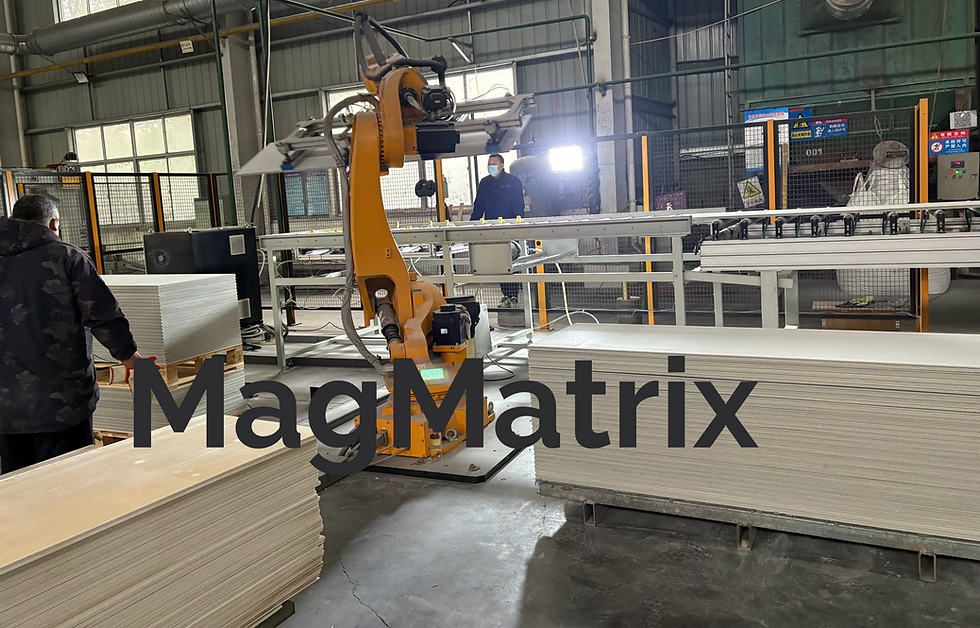
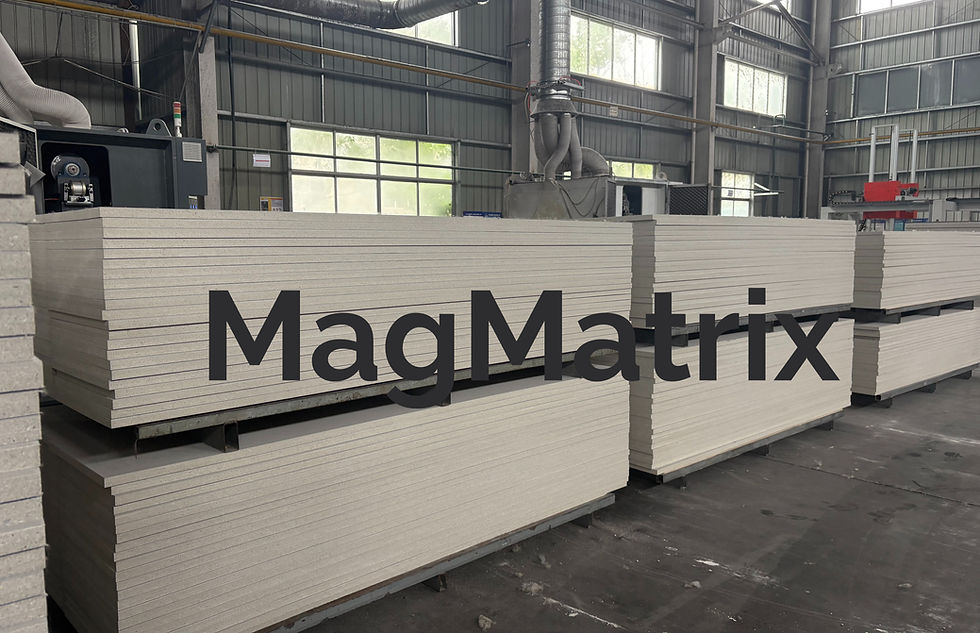
5. Magnesium Oxide (MgO) Board
MgO board is an eco-friendly sheathing option made from mineral components. It is known for its impressive resistance to fire, water, and pests without the use of harsh chemicals.
Best For: Environmentally conscious builds requiring high fire ratings (up to 4 hours) and moisture resistance.
Pros: Eco-friendly and recyclable; withstands extreme temperatures; naturally mold and termite resistant.
Cons: Quality varies significantly between brands; requires special tools (diamond blades) to cut; brittle if mishandled.
6. Plywood Sheathing
A traditional favorite, plywood offers structural strength and ease of use. While it lacks the fire resistance of gypsum, it is affordable and widely available.
Best For: Residential homes, garages, and sheds in dry climates where structural rigidity is the priority.
Pros: Strong and impact-resistant; holds fasteners tightly; easy to cut with standard tools; affordable.
Cons: Susceptible to swelling, rotting, and burning; not suitable for areas with strict fire codes or high moisture.
7. Oriented Strand Board (OSB) Sheathing
OSB is engineered from wood strands bonded with wax and resin. It provides a dense, solid panel that is cost-effective and structurally sound.
Best For: Budget-conscious projects requiring solid structural support for walls, roofs, and floors.
Pros: Very affordable; consistent density with no soft spots; available in large panels for quick installation.
Cons: Can swell permanently if exposed to moisture; combustible (no fire rating); requires immediate coverage with siding or house wrap.
Summary Comparison
Sheathing Type | Moisture Resistance | Fire Rating | Cost Estimate |
DensGlass / GlasRoc / Gold Bond | Superior (Mold Resistant) | Non-Combustible | Moderate - High |
Fiber Cement / MgO Board | Excellent | Non-Combustible | High |
Plywood / OSB | Low - Moderate | Combustible | Low |
Choosing the Right Board
When selecting an alternative to DensGlass, consider your local climate and building codes. For wet climates or high-occupancy buildings (like schools), non-combustible gypsum or cement boards are safer investments. For standard residential builds in drier areas, plywood or OSB offers significant cost savings while providing excellent structural support.
Comments