
17 Mold Resistant Wall Panels That Beat Drywall in 2025 (Expert-Tested)

Mold resistant wall panels have become crucial as mold problems drain billions of dollars yearly in the US. The numbers are staggering - all but one of these buildings in America face wetness issues. Your property's damage from this dampness might be the least of your worries - it could affect your health too.
Drywall remains a popular choice among homeowners. However, moisture concerns have pushed many people to look for better options. Research links damp indoor spaces to health issues like asthma and respiratory problems. This explains why alternatives to drywall are becoming more popular faster among smart homeowners. The good news? You'll find many cheap drywall alternatives that could save you up to 50% in 2025.
In this piece, we'll show you 17 expert-tested mold resistant wall panels perfect for basements and other moisture-prone areas. We've personally reviewed everything from affordable MgO boards to easy-to-maintain PVC panels to help you pick the best option for your home. Let's head over to these superior drywall alternatives and find what works best for you.
MgO Board for Mold Resistant Wall Panels
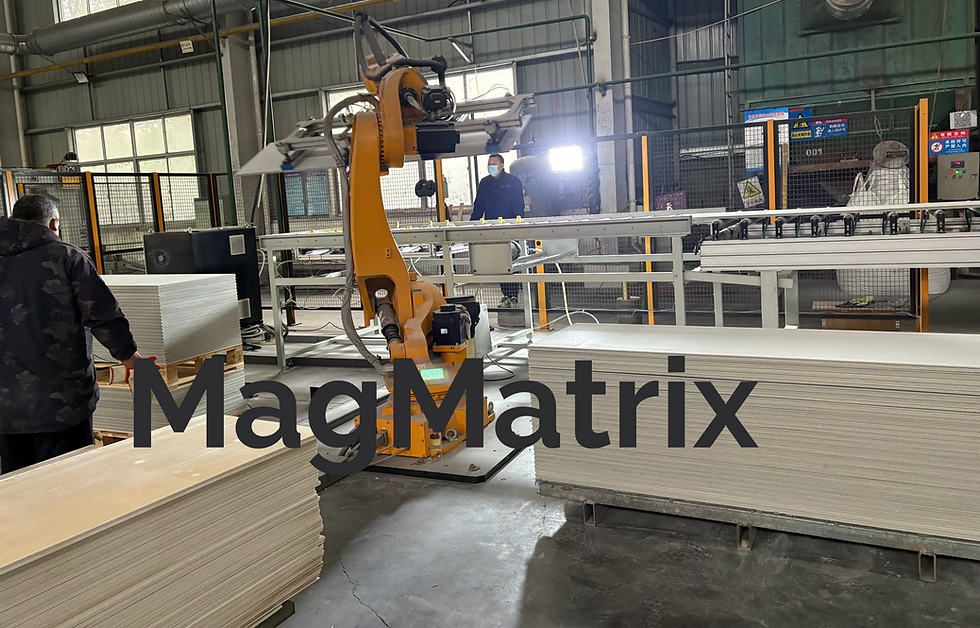
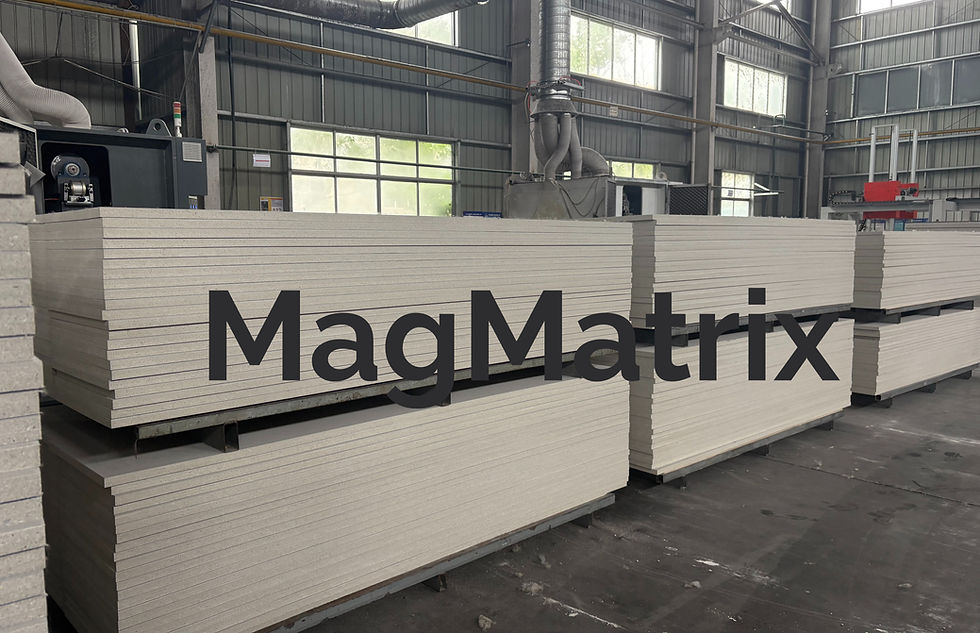
MgO boards give homeowners a breakthrough solution to fight mold problems that plague traditional drywall. These smart panels blend cement's durability with excellent moisture resistance that works great in humid spaces.
MgO Board key features
The boards combine magnesium oxide, magnesium sulfate, perlite, and fiberglass mesh. You can find them in two main types: MgSO4 (sulfate-based) and MgCl2 (chloride-based). MgSO4 boards stand out because they resist moisture well and don't damage metal framing. These panels pack impressive flexural strength of 13-30 MPa that is way stronger than regular drywall. The boards also resist fire exceptionally well and stay structurally sound even at temperatures up to 1200°C (2,192°F) without releasing toxic fumes.
MgO Board pros and cons
Pros:
· Fire-resistant with Class A1 rating that handles temperatures above 750°C for over 30 minutes
· Water-resistant properties prevent warping or swelling from moisture exposure
· Inorganic makeup stops mold and pests
· Tough against impacts with strength values of 5-20 kJ/m²
· Earth-friendly production creates 22% less CO2 than Portland cement
Cons:
· Costs more upfront than standard drywall
· Not easy to find in some areas
· Needs proper sealing during setup
· Quality differs a lot between makers
MgO Board pricing
A square foot of MgO board runs between USD 1.50-3.50, which costs more than drywall's USD 0.30-0.70 range. The durability makes up for this as you won't need repairs or replacements often. You'll pay USD 48.00-80.00 for a standard 4ft × 8ft sheet, depending on how thick it is and which brand you choose.
Best use cases for MgO Board
These panels shine in places where moisture causes problems:
· Bathrooms and kitchens where regular drywall fails
· Damp basement spaces
· Homes near the coast that face salty air
· Commercial buildings that need better fire protection
· Medical facilities that must stay mold-free
The boards also work great under tiles and as exterior sheathing where moisture resistance matters most.

PVC Wall Panels
PVC wall panels are a synthetic solution that stops mold from growing in areas prone to moisture. These panels give homeowners a practical alternative to drywall, especially in spaces where moisture never seems to go away.
PVC Wall Panels key features
PVC (polyvinyl chloride) panels are completely waterproof and won't soak up moisture. The non-porous surface keeps water from getting in, which makes these panels resistant to mold and mildew. Most systems come with a tongue-and-groove interlocking design that makes installation quick and creates a smooth look. On top of that, these panels weigh about 40% less than regular drywall, so they're much easier to handle during installation.
PVC Wall Panels pros and cons
Pros:
· Outstanding moisture resistance, perfect for humid spaces
· Almost no maintenance needed - just wipe them down
· Comes in different colors, textures, and finishes to match your style
· Tough and durable, with some panels lasting up to 100 years
· Regular household cleaners work great for cleaning
Cons:
· Manufacturing uses chemicals that might harm the environment
· High temperatures (above 140°F) can cause toxic fumes
· Natural materials like wood or stone look more high-end
· Heat sources nearby can cause warping
PVC Wall Panels pricing
A square foot of PVC wall panels costs between $2.00 and $10.00. Simple white or solid colors start at $2.00-4.00 per square foot. Textured or patterned panels run $4.00-7.00. The fancy stuff with 3D effects or realistic wood grain textures might set you back $7.00-10.00+ per square foot. Professional installation adds another $2.00-5.00 per square foot.
Best use cases for PVC Wall Panels
These panels work great in spaces that deal with moisture:
· Bathrooms and showers stay mold-free thanks to the waterproof design
· Basements that might get damp or flood
· Kitchens with lots of steam and regular cleaning
· Garages that need tough, impact-resistant walls
· Commercial spaces like wash bays, food processing plants, and healthcare facilities
Cement Board
Cement board combines Portland cement, sand, and reinforcing fibers to create a premium drywall alternative that resists moisture exceptionally well. The sturdy panel's design sandwiches a cementitious core between fiberglass mesh layers. This creates a barrier against mold and water damage that's almost indestructible.
Cement Board key features
Standard drywall can't match cement board's remarkable resistance to moisture, which makes it perfect for humid spaces. The board scores a perfect "10" on ASTM D3273 mold resistance tests and "0" on ASTM G21 tests. These scores show how well it protects against fungal growth. The panels stay dimensionally stable in tough conditions thanks to their impressive compressive strength of 1,250 psi (8,618 kPa). You won't see any swelling, warping, or deterioration when moisture hits these panels, unlike wood-based products.
Cement Board pros and cons
Pros:
· Water damage and rot can't touch it
· Fights off mold and mildew incredibly well
· Zero flame spread means excellent fire resistance
· Stands up to impacts and lasts for years
· Termites can't damage it
Cons:
· Weighs more than alternatives, which makes installation harder
· You need special tools like diamond blades to cut it
· Costs more than regular drywall
· Installation labor costs run higher
Cement Board pricing
A square foot of standard cement board costs between USD 1.75-3.00. That's more than regular drywall but matches other mold-resistant options. Installation adds USD 5.00-12.00 per square foot because the material weighs more and needs special cutting tools. Each 3' × 5' sheet weighs about 2.1 pounds per square foot, so you'll need stronger backing support.
Best use cases for Cement Board
Bathrooms, kitchens, and laundry rooms with constant moisture exposure are perfect spots for cement board. The board's strength and stability make it an excellent base for tile in showers, tub surrounds, and backsplashes. You can also use it outside for soffits, facades, and outdoor kitchens. Any space where water might cause damage is ideal for these durable, mold-resistant panels.
Fiberglass-Faced Drywall
This innovative drywall alternative uses fiberglass technology instead of traditional paper facing to create better protection against moisture and mold. The elimination of paper removes a basic weakness in standard drywall construction since mold feeds on paper.
Fiberglass-Faced Drywall key features
These panels have a moisture-resistant gypsum core that fiberglass matting completely encases. The fiberglass covering delivers excellent water resistance and stays dimensionally stable when temperature and humidity change. Most brands achieve a perfect 10 rating on the ASTM D3273 test for mold resistance. The surface feels slightly rougher than regular drywall but creates an environment where mold spores can't thrive.
Fiberglass-Faced Drywall pros and cons
Pros:
· Superior moisture and mold resistance
· Eliminates organic materials that feed mold growth
· More damage-resilient surface than standard drywall
· No vapor barrier required in moisture-prone areas
· Reinforced fiberglass core resists warping and buckling
Cons:
· Costs twice as much as standard drywall
· Needs more labor to install properly
· Slightly rougher surface texture requires skilled finishing
· The whole surface often needs skimming with drywall compound
· May not offer the same soundproofing as standard options
Fiberglass-Faced Drywall pricing
Standard fiberglass-faced drywall panels cost 30-50% more than regular drywall. Materials alone typically cost $1.50-$3.50 per square foot. The installation needs additional drywall mud, which then increases the project's overall costs.
Best use cases for Fiberglass-Faced Drywall
These panels work best in bathrooms, kitchens, and laundry areas where moisture exposure never stops. They also perform well in basements that often face humidity issues. They therefore make an ideal substrate behind tile installations. Many healthcare facilities choose this option to create mold-free environments.
Paperless Drywall
Paperless drywall uses fiberglass matting instead of traditional paper facing to curb mold problems. These breakthroughs tackle a basic flaw—damp paper becomes food for mold.
Paperless Drywall key features
The panels feature a moisture-resistant gypsum core completely wrapped in fiberglass. This design removes any organic materials that could feed mold growth. Fiberglass covering makes the panels stronger and they resist warping, denting, and tearing better. All the same, these panels weigh about the same as regular drywall and installers can put them up the same way.
Paperless Drywall pros and cons
Pros:
· Mold can't grow without paper to feed on
· Panels stay stronger and last longer
· Cuts cleanly without paper tears
· Perfect choice for wet areas
Cons:
· Each sheet costs about $1.00 more than mold-resistant greenboard
· Installation can irritate skin and lungs from fiberglass
· You might need extra fasteners as screws can sink too deep
· Extra finishing work needed due to rough surface
Paperless Drywall pricing
Installation costs run between $1.75 and $4.00 per square foot. Materials alone cost about $0.63 to $0.92 per square foot, or $15.00 to $22.00 for each sheet. Labor costs add up quickly because the finishing takes more time and effort.
Best use cases for Paperless Drywall
These panels work best in bathrooms, kitchens, and laundry rooms where moisture often builds up. Basements benefit from this option. Experts suggest using fiberglass mesh tape between sheets to maximize mold resistance.
DRICORE SMARTWALL
DRICORE SMARTWALL offers an integrated approach to basement finishing through its patented all-in-one wall panels. The innovative system blends framing, insulation, vapor barrier, and drywall into a single modular unit.
DRICORE SMARTWALL key features
The panels measure 2 feet wide by 8 feet tall and feature unique Vapor Shield Technology to prevent moisture buildup within walls. EPS foam encapsulated framing eliminates air pockets where water vapor typically condenses and naturally reduces mold and mildew growth potential. The distinctive micro-beveled edges create nearly invisible seams without taping. The system's built-in wire channels—two vertical and three horizontal—make electrical installation straightforward.
DRICORE SMARTWALL pros and cons
Pros:
· Installation is 70% faster than traditional framing methods
· Delivers R-15.1 insulation value, 29% more efficient than conventional walls
· Needs 75% less mudding and sanding with specialized Patch Pro compound
· Tongue-and-groove design minimizes warping
Cons:
· Original cost is higher than standard wall materials
· Specialized 5-inch screws can be hard to find
· Not available in some regions
· Cutting creates foam debris
DRICORE SMARTWALL pricing
Panel prices vary by retailer and type. Standard panels without electrical boxes cost about $35 each. You'll pay more for panels with integrated electrical boxes or light switch boxes.
Best use cases for DRICORE SMARTWALL
Basements are the perfect application for these panels, especially where moisture control matters. The system works great in finished garages and delivers exceptional performance in home offices that need superior insulation.
Greenboard
The distinctive sea-foam green paper facing makes greenboard stand out as a moisture-resistant alternative in high-humidity areas. This specialized drywall variant has remained a bathroom construction staple for decades.
Greenboard key features
A standard gypsum core wrapped in water-resistant paper with a specialized waxy coating forms greenboard's structure. The surface repels humidity and occasional water splashes effectively. You can find greenboard in 1/2-inch and 5/8-inch thicknesses. Its signature color serves two purposes - it identifies the material as moisture-resistant and helps installers determine the outward-facing side.
Greenboard pros and cons
Pros:
· Superior moisture resistance compared to standard drywall
· Helps prevent mold and mildew growth
· Budget-friendly option for moderately damp areas
· Uses familiar drywall installation techniques
Cons:
· Not waterproof—only water-resistant
· Paper facing remains vulnerable to prolonged moisture
· Not suitable for direct water contact areas like showers
· Lacks inherent fire resistance
Greenboard pricing
A sheet of greenboard costs about 20% more than regular drywall, with prices between USD 12.00 and USD 20.00. Despite this higher price, it remains one of the most affordable mold-resistant drywall options available.
Best use cases for Greenboard
Greenboard works best in areas with high humidity but minimal direct water contact. Bathroom walls outside shower areas, kitchen walls near sinks, laundry rooms, basements, and garages make ideal locations for installation. Newer materials like paperless glass-mat drywall have started replacing greenboard in many applications.
GP DensArmor
Georgia-Pacific's DensArmor is the leading mold-resistant wall panel technology that features revolutionary fiberglass mat construction. The innovative alternative to conventional drywall eliminates paper facing, which serves as mold's main food source.
GP DensArmor key features
DensArmor panels combine moisture-resistant gypsum cores with fiberglass mats that replace traditional paper facings. These panels score a perfect 10 on the ASTM D3273 mold resistance test—the highest possible rating. DensArmor Plus has become the first gypsum panel to receive UL Environment certification as GREENGUARD and GREENGUARD Gold for low VOC emissions. The panels' moisture-resistant properties enable installation before buildings are fully dried in.
GP DensArmor pros and cons
Pros:
· Eliminates paper facing that typically feeds mold growth
· Superior moisture resistance with fiberglass mat technology
· Can accelerate construction time by up to 10 weeks
· Offers 12-month weather exposure limited warranty
Cons:
· Typically costs more than standard drywall
· Fiberglass can irritate skin during installation
· Surface texture requires additional finishing
· Heavier than conventional drywall panels
GP DensArmor pricing
Public sources provide limited pricing information. The premium panels cost more than standard drywall because of their superior moisture resistance and durability.
Best use cases for GP DensArmor
Bathrooms, basements, and other moisture-prone areas are ideal spaces for GP DensArmor. The panels work exceptionally well in commercial pre-rock installations where walls face weather exposure. Many healthcare facilities choose these panels because of their mold resistance properties.
FrameGuard Wood
FrameGuard Wood is different from other drywall alternatives. It's a treated wood product that stops mold growth through an innovative coating system. The treatment happens at the factory and gives lumber complete protection beyond its structural benefits.
FrameGuard Wood key features
FrameGuard coating combines anti-mold chemicals with borate technology. This creates a protective barrier against mold, termites, and fungal decay. The organic compounds stay near the surface to prevent mold growth, and the borate component goes deeper to protect wood long-term. You can spot this treated wood by its distinctive green color. FrameGuard Total™ provides improved protection with extra insecticide that targets aggressive Formosan termites.
FrameGuard Wood pros and cons
Pros:
· A 20-year limited warranty backs the product
· Factory applies coating in controlled conditions for complete coverage
· Shows strength properties similar to untreated wood
· Works with standard hardware and fasteners
Cons:
· Not suitable when in contact with ground
· Weather protection needed within six months of installation
· Paint over the surface stymies mold protection
· Not a substitute for pressure-treated wood where codes require it
FrameGuard Wood pricing
The product adds "minimal cost" to structures while providing essential protection. Most lumber suppliers and specialized retailers stock this product.
Best use cases for FrameGuard Wood
This product works best for framing, roof trusses, plywood panels, and structural elements throughout homes. New construction benefits from it especially when you have to prevent mold issues before they start.
Plywood Panels
Plywood panels stand out among engineered wood products thanks to their excellent balance of strength, durability, and mold resistance. Their unique cross-grain construction makes them a versatile alternative to drywall. These panels can handle humidity in tough environments with proper treatment.
Plywood Panels key features
Thin wood veneer layers stacked together with alternating grain directions create plywood's remarkable strength and flexibility. The cross-grain design prevents warping, splitting, and cracking in moist conditions. Moisture-resistant (MR) grade plywood uses specialized urea-formaldehyde glue to boost its resistance to humid conditions.
Plywood Panels pros and cons
Pros:
· Better water damage resistance than medium-density fiberboard
· Stays stable without shrinking, warping, or cracking
· Comes in thicknesses from 6mm to 32mm
· Grips screws firmly for secure installation
Cons:
· Needs extra treatment to become fully waterproof
· Adhesives can release VOCs during manufacturing
· Costs more than particleboard options
· Requires treatment to resist termites
Plywood Panels pricing
Standard 4×8 ft softwood plywood panels cost $10-$40, while hardwood plywood sheets range from $20-$80.
Best use cases for Plywood Panels
Bathrooms, kitchens, and areas with moderate humidity work great with sealed plywood. The material makes excellent wall paneling with moisture-resistant treatment. B/BB grade birch plywood delivers smooth finishes that look fantastic.
Plastic Wall Panels
Wood fibers combined with recycled plastics create mold-resistant wall panels that work great in tough environments. Homeowners looking for reliable alternatives to drywall will appreciate both the practical benefits and visual appeal of these innovative materials.
Plastic Wall Panels key features
Wood Plastic Composite (WPC) panels combine wood fibers with recycled plastics such as polyethylene or PVC. High pressure and temperature transform these materials into dense, stable boards. The non-porous surface blocks moisture and makes these panels resistant to water damage. You can find WPC panels in lengths of 2.2m, 2.9m, and 3.6m. Their widths range from 150mm to 300mm, and they come in thicknesses between 5mm-20mm.
Plastic Wall Panels pros and cons
Pros:
· These panels resist warping, cracking, and rotting exceptionally well
· Water absorption rates stay minimal at 0.5-1.2%
· They need little maintenance - a quick wipe now and then does the job
· You can choose from many finishes like wood grain, metallic, marble, and fabric effects
Cons:
· They cost more than standard wall materials
· Heat resistance isn't as good as other options
· Fire exposure might release toxic fumes
· The production methods raise some environmental concerns
Plastic Wall Panels pricing
A square foot of WPC panels costs between USD 5.00-10.00. Special outdoor panels can reach USD 15.00 per square foot. The final price depends on design complexity and material quality.
Best use cases for Plastic Wall Panels
Bathrooms, basements, and other moisture-prone areas are perfect spots for these panels. They also shine in commercial spaces like hotels, restaurants, and healthcare facilities where maintaining high hygiene standards matters most.
Moisture-Resistant Drywall
Moisture-resistant drywall works great in damp environments thanks to its water-repellent core and treated paper facers. This smart solution is a great way to get protection in humid areas without needing special installation methods.
Moisture-Resistant Drywall key features
The core technology repels moisture in both liquid and vapor forms. These panels have anti-microbial properties throughout their core and facers. Water absorption stays under 5% of the board's weight. You can get these panels in standard thicknesses of 1/2" (12.7mm) or 5/8" (15.9mm). They meet ASTM C1396 quality standards.
Moisture-Resistant Drywall pros and cons
Pros:
· Uses standard drywall installation methods
· Costs 30-50% more than regular drywall
· Has fire-resistant options (Type X and Type C variations)
· Scores highest in mold resistance tests
Cons:
· Water-resistant but not waterproof
· Cannot handle constant water exposure
· Not suitable for tile applications in wet areas
· Needs dry cavities before installation
Moisture-Resistant Drywall pricing
Materials cost between USD 0.40 and USD 0.48 per square foot. Complete panels sell for USD 10.00 to USD 15.00 each.
Best use cases for Moisture-Resistant Drywall
These panels work best in powder rooms and spaces next to showers or tubs. You can use them behind countertops with plumbing fixtures, in laundry rooms, and mud rooms. They also perform well in kitchens and basements where humidity control matters.
Fiber Cement Board
Fiber cement boards blend cement, cellulose fibers, sand, and additives to create exceptionally durable mold-resistant wall panels that perform better than traditional materials. This innovative construction material has reshaped the scene with its unique properties and adaptability.
Fiber Cement Board key features
These boards contain 4-9% cellulose fibers—a crucial element that determines their strength and quality. Steam curing during manufacturing helps boost durability. The panels maintain their shape under varying moisture conditions and stand strong against fire, termites, and water damage. The boards also deliver excellent acoustic properties and thermal insulation.
Fiber Cement Board pros and cons
Pros:
· Excellent water resistance with minimal absorption
· Superior mold and mildew resistance
· Non-combustible makeup (over 90% non-combustible materials)
· Maintains shape without warping or swelling
· Minimal maintenance with 50+ year lifespan
Cons:
· Higher original cost than standard drywall
· Requires specialized installation methods
· Weighs more than alternatives (300 pounds per 100 square feet)
· Not completely green due to energy-intensive cement production
Fiber Cement Board pricing
The boards cost between USD 5.00-14.00 per square foot with installation. Material costs range from USD 2.50-15.00 per square foot based on panel type. A standard 1,500-square-foot project costs between USD 7,500-21,000.
Best use cases for Fiber Cement Board
These boards work best in high-moisture areas like bathrooms, kitchens, and wet rooms. Exterior uses include siding, roofing, soffits, and trim. Indoor applications cover ceilings, flooring underlayment, and partition systems. Medical facilities, laboratories, and commercial spaces that need hygienic surfaces find these boards particularly valuable.
FRP Panels (Fiberglass Reinforced Panels)
FRP panels made their commercial debut in 1965 and changed industries with their unique blend of materials and properties. These fiberglass reinforced plastic panels have become essential for spaces with moisture concerns.
FRP Panels key features
FRP panels blend fiberglass reinforcement with plastic resin to create a smooth, non-porous surface that fights off mold, mildew, and bacterial growth naturally. The panels' impressive strength-to-weight ratio makes them easy to install. These panels excel at resisting corrosion while providing impact durability and thermal insulation. The non-conductive properties of FRP make it an excellent electrical insulator, which adds to its versatility.
FRP Panels pros and cons
Pros:
· Outstanding resistance to moisture, chemicals, and saltwater corrosion
· Less maintenance needed compared to traditional materials
· Great design flexibility with complex molding options
· Strong resistance to fatigue and impact
Cons:
· Higher upfront cost than standard materials
· Risk of UV damage without proper treatment
· Repairs can be tricky and recycling poses challenges
· Less fire-resistant than metal alternatives
FRP Panels pricing
FRP panels in 2025 range from USD 3.50 to USD 10.00 per square foot. Standard white wall panels (1.5-2.0mm) cost between USD 3.50-5.00, while heavy-duty marine panels (3.0mm+) run USD 8.00-10.00. Fire-retardant versions cost USD 6.00-8.50 per square foot.
Best use cases for FRP Panels
Commercial kitchens, food processing facilities, restrooms, and healthcare settings represent the main applications. Spaces that need hygienic, easy-to-clean surfaces benefit from FRP installation. The moisture-resistant properties make these panels perfect for walls and ceiling systems in basements, chemical workshops, and underground parking.
Basement Wall Finishing Systems
Modern basement wall finishing systems are complete alternatives to traditional construction methods in below-grade spaces. These all-in-one solutions tackle the unique challenges basements face.
Basement Wall Systems key features
These basement finishing systems use special wall panels made from non-organic materials that resist moisture. The panels have built-in insulation values from R-11 to R-13, which work better than regular basement walls. You'll find suspended ceilings with removable panels that make it easy to reach plumbing and electrical utilities. The systems stand out because of their breathable design—some trailblazing panels let moisture flow through while staying mold-resistant.
Basement Wall Systems pros and cons
Pros:
· Takes 70% less time to install than regular methods—two weeks instead of five
· Non-organic materials make it moisture-resistant
· Insulation, vapor barriers, and wall surfaces merge naturally
· Smart design makes utility access simple
Cons:
· Costs more upfront: USD 50.00–USD 70.00 per square foot vs USD 7.00–USD 23.00 for standard methods
· Fewer options to customize than traditional finishing
· You need professionals—it's not a DIY project
· Less material choices than custom work
Basement Wall Systems pricing
The big brands charge about the same amount. Owens Corning and Total Basement Finishing systems cost between USD 50.00–USD 70.00 per square foot. Matrix Basement Systems gives you payment plans starting at USD 149.00 monthly. The installation wraps up in two weeks—much faster than old-school methods.
Best use cases for Basement Wall Systems
These systems work great in areas that flood often, where regular drywall fails. They're perfect for homeowners who want quick installation and don't mind fewer custom options. Basements that need better insulation and moisture control are the best fit for these complete solutions.
Textured Wall Panels
Textured wall panels turn plain walls into stunning architectural features. Their three-dimensional patterns and tactile elements look great and work well in moisture-prone spaces.
Textured Wall Panels key features
These panels come in materials of all types, including MDF with scratch-resistant 3DL finishes. They create depth and shadow that make walls stand out. Many panels include acoustic backing to reduce noise. The textures range from wood grain to stone-look surfaces, with geometric 3D patterns that catch the eye. The panels' water-resistant properties help prevent mold and moisture buildup.
Textured Wall Panels pros and cons
Pros:
· Improve acoustics by cutting down echo
· Cover wall flaws like cracks or uneven surfaces
· Add extra insulation that saves energy
· Need minimal cleaning and maintenance
Cons:
· Might warp if installation isn't done right
· Wood-based panels can get water damage
· Manufacturing uses materials that aren't environmentally responsible
· Cost more upfront than regular wall materials
Textured Wall Panels pricing
Materials alone cost between USD 2.00-25.00 per square foot. Professional installation adds USD 3.00-8.00 per square foot. A standard 12×12-foot room costs USD 3,000-4,500 to outfit.
Best use cases for Textured Wall Panels
These panels work great as accent walls, in reception areas, for product displays, and as statement backdrops. Their durability and easy upkeep make them perfect for high-traffic areas that need impact protection.
Plastic Tongue-and-Groove Panels
Plastic tongue-and-groove panels protect against moisture through their uninterrupted interlocking design. The design eliminates weak spots where mold usually grows. These innovative panels have become more popular faster among homeowners who want reliable alternatives to drywall.
Plastic Tongue-and-Groove Panels key features
The panel's standout feature is its interlocking system. The "tongue" edge fits into the adjacent panel's "groove" to create tight, water-resistant seals. Manufacturers use 100% virgin PVC to make most variants, which need no backing board, adhesives, or trimming. The panels come in lengths from 8 to 20 feet with different widths. You can install these lightweight panels right onto wall studs or existing drywall with screws or nails, and you won't need adhesives.
Plastic Tongue-and-Groove Panels pros and cons
Pros:
· 100% waterproof build stops mold and mildew from growing
· Takes a quarter of the time to install compared to traditional methods
· Works with simple DIY tools
· Needs only a quick wipe-down to clean
Cons:
· Heat sources can make panels warp
· PVC production raises environmental concerns
· Fire exposure can release toxic fumes
· Looks different from natural materials
Plastic Tongue-and-Groove Panels pricing
Regular PVC tongue-and-groove panels cost between USD 2.75-3.75 per square foot. High-end panels with special finishes might cost USD 7.00-10.00 per square foot. The total cost to install these panels stays lower than alternatives—USD 88.58 per unit compared to USD 141.50 for competing systems like FRP.
Best use cases for Plastic Tongue-and-Groove Panels
These panels work best in bathrooms, kitchens, and basements because they resist moisture completely. Many businesses use them in wash bays, car washes, and food processing facilities. Coastal homes benefit from the panel's resistance to salt air.
Comparison Table
Wall Panel Type | Key Material/Composition | Moisture Resistance | Cost (per sq ft) | Main Advantages | Main Disadvantages | Best Use Cases |
MgO Board | Magnesium oxide, magnesium sulfate, perlite, fiberglass mesh | Class A1 fire rating | $1.50-3.50 | Fire-resistant, water-resistant, mold/pest resistant | Higher original cost, limited availability | Bathrooms, kitchens, basements, healthcare facilities |
PVC Wall Panels | Polyvinyl chloride | 100% waterproof | $2.00-10.00 | Outstanding moisture resistance, minimal maintenance | Environmental concerns, limited heat resistance | Bathrooms, basements, kitchens, garages |
Cement Board | Portland cement, sand, reinforcing fibers | Perfect "10" ASTM D3273 | $1.75-3.00 | Nearly impervious to water, excellent fire resistance | Heavy weight, needs specialized cutting tools | Bathrooms, kitchens, laundry rooms |
Fiberglass-Faced Drywall | Gypsum core with fiberglass matting | Perfect "10" ASTM D3273 | $1.50-3.50 | Superior moisture/mold resistance, damage-resilient | Higher cost, needs more labor | Bathrooms, kitchens, laundry areas |
Paperless Drywall | Gypsum core with fiberglass matting | Not mentioned | $1.75-4.00 | Virtually mold-proof, superior structural strength | Higher cost, rough surface texture | Bathrooms, kitchens, laundry areas |
DRICORE SMARTWALL | Integrated framing with EPS foam | Has Vapor Shield Technology | $35/panel | 70% faster installation, R-15.1 insulation | Higher original cost, limited availability | Basements, finished garages |
Greenboard | Gypsum core with water-resistant paper | Water-resistant | $12-20/sheet | Superior moisture resistance vs standard drywall | Not waterproof, only water-resistant | Bathroom walls, kitchen walls, laundry rooms |
GP DensArmor | Gypsum core with fiberglass mats | Perfect "10" ASTM D3273 | Not mentioned | No paper facing, superior moisture resistance | Higher cost, needs additional finishing | Bathrooms, basements, healthcare facilities |
FrameGuard Wood | Treated wood with anti-mold coating | Not mentioned | Not mentioned | 20-year warranty, factory-applied protection | Not for ground contact, needs weather protection | Framing, roof trusses, structural elements |
Plywood Panels | Cross-grain wood layers | Moisture-resistant grade available | $10-40/sheet | Resistant to shrinking/warping, holds screws well | Not fully waterproof, VOC emissions | Bathrooms, kitchens, moderately humid areas |
Plastic Wall Panels | Wood Plastic Composite (WPC) | 0.5-1.2% water absorption | $5.00-10.00 | Outstanding durability, low maintenance | Higher cost, less heat resistant | Bathrooms, basements, commercial settings |
Moisture-Resistant Drywall | Treated gypsum core | Max 5% water absorption | $0.40-0.48 | Uses familiar installation techniques, fire-resistant options | Not waterproof, not for constant water exposure | Powder rooms, laundry rooms, kitchens |
Fiber Cement Board | Cement, cellulose fibers, sand | Exceptional | $5.00-14.00 | Outstanding water/mold resistance, 50+ year lifespan | Higher cost, heavy weight | Bathrooms, kitchens, wet rooms |
FRP Panels | Fiberglass reinforced plastic | Excellent | $3.50-10.00 | Outstanding corrosion resistance, minimal maintenance | Higher original cost, UV degradation risk | Commercial kitchens, food processing, restrooms |
Basement Wall Systems | Non-organic materials | Built-in moisture resistance | $50-70.00 | 70% faster installation, built-in insulation | Higher upfront costs, limited customization | Flood-prone areas, basements |
Textured Wall Panels | Various materials | Water-resistant | $2.00-25.00 | Better acoustics, hides wall imperfections | Risk of warping, potential water damage | Accent walls, high-traffic zones |
Plastic Tongue-and-Groove | 100% virgin PVC | 100% waterproof | $2.75-3.75 | Fast installation, easy maintenance | Limited heat resistance, environmental concerns | Bathrooms, kitchens, basements |
Conclusion
Learning about these 17 mold-resistant wall panel options gives you a detailed look at alternatives that work better than traditional drywall. MgO boards and fiber cement panels need more money upfront, but their excellent moisture resistance and durability ended up saving money by preventing mold removal costs.
Your specific needs should guide the panel selection. PVC panels work best for bathrooms and shower areas because they're 100% waterproof. Basements do better with integrated systems like DRICORE SMARTWALL that combine insulation with moisture protection.
The comparison table helps match your needs with the right solution quickly. Fiberglass-faced drywall strikes a balance between cost and performance, making it a good fit for most homes.
Note that mold prevention goes beyond picking the right panels. You need proper installation, ventilation, and fixing moisture sources too. Even top-quality panels will fail if water problems continue.
Of course, the health risks from mold exposure make quality materials worth the investment. Your family's health could suffer from asthma, breathing problems, and allergies - issues far more serious than the extra cost between standard drywall and mold-resistant options.
Moisture problems affect nearly half of American buildings, so these specialized panels make sense for new builds and renovations alike. Walls make up much of your home's surface area, so mold-resistant materials boost air quality and structural strength significantly.
These products have become more available and affordable as the market grows. You'll find options at different price points that perform better than standard drywall.
Mold-resistant wall panels might seem like a minor detail during construction or renovation. But they shape how well your home holds up over time. Smart choices today prevent problems tomorrow.
Comments