
17 Budget-Friendly Drywall Alternatives for 2025 (With Costs)

Bored with plain old drywall? Your walls can get a fresh look that saves money and prevents headaches during your next renovation project.
I've found that there was more to drywall alternatives than meets the eye. These options add character and functionality to your space. The choices are plenty when you need cheap alternatives or want something visually appealing. Plywood sheets give you a warm, textured look with beautiful grain patterns that enhance your space's character at $25 to $45 each. A rustic look comes alive with shiplap at $2.50 to $7 per square foot.
PVC panels might work better if you need moisture resistance, starting at $3 per square foot. The best part? You can install them four times faster than traditional methods.
These wall alternatives do more than just look good. Smart wall material selection goes beyond the initial cost. Your choice should factor in durability and maintenance needs. Plywood stands up to impacts better than drywall, which makes it perfect for busy areas. This piece walks you through 17 sheetrock alternatives. You'll learn about their costs, benefits, and best uses to pick the right option for your home in 2025.
Plywood for Drywall Alternatives
Plywood emerges as a versatile alternative to drywall that adds both practical value and visual appeal to walls. This engineered wood product combines thin wood sheets (veneers) glued together. Each layer's grain runs perpendicular to the next, which creates remarkable strength and stability.
Plywood key features
A properly finished plywood installation can last up to 35 years. The material surpasses conventional drywall by offering natural wood grain patterns that bring warmth and character to rooms. You'll find several varieties available, including hardwood (oak, maple, birch), softwood (pine, fir), and marine-grade options that work well in damp areas. The standard sheets come in 4-foot by 8-foot dimensions, with typical thicknesses of 1/4-inch, 1/2-inch, and 3/4-inch. Quality grades start from A (smooth, knot-free) and go down to D (economical with visible flaws). This range gives you options based on your project's needs.
Plywood pros and cons
Pros:
· Shows substantially more resistance to impact, with only 1 dent where drywall would have 3-5 from identical impacts
· The weight is 50% less than solid wood sheets, which makes installation easier
· Provides double the wall rigidity compared to equivalent drywall
· Maintenance needs just a monthly dusting
· Takes well to paint and stain, or looks great with its natural grain exposed
Cons:
· Each panel costs more than standard drywall
· Raw panels might look unfinished without proper treatment
· Heat or moisture exposure can lead to delamination
· Fire resistance falls short compared to drywall
· Fixing damage proves harder than drywall repairs
Plywood pricing
A standard 4-by-8 sheet of plywood ranges from $20 to $50, based on its thickness, grade, and type. The upfront cost exceeds drywall, but you'll save money since you won't need tape, mud, or joint compound to hide seams.
Plywood best for
This material shines in homes with rustic, Scandinavian, or minimalist designs. Its tough nature makes it ideal for busy households with kids or pets, and areas that see heavy use. The material proves excellent for garages, workshops, and spaces where you need to mount heavy items directly on walls. Marine-grade plywood handles moisture better than standard drywall, making it a smart choice for bathrooms or kitchens with moderate humidity levels.

Mgo Board
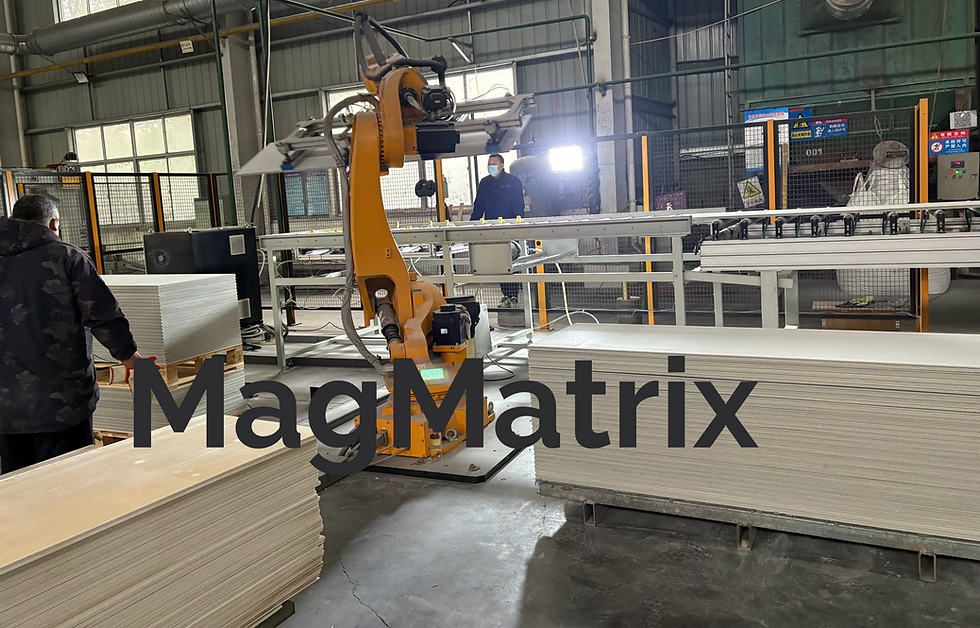
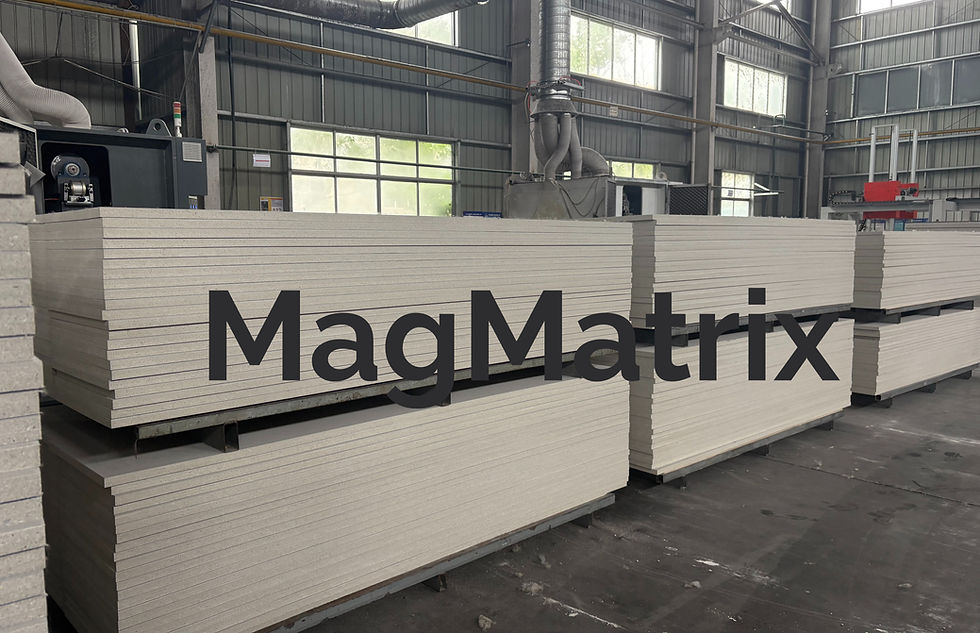
MgO (Magnesium oxide) boards are becoming a popular alternative to regular drywall among builders who want better durability and resistance. These panels use magnesium oxide mixed with reinforcing fibers to create strong, stable sheets that work better than standard wall materials.
Mgo board key features
MgO boards can resist fire at temperatures up to 1000°C without catching fire. The dense, mineral structure keeps moisture away, so the boards don't swell or warp in humid weather. These boards are also tough and structurally strong. People focused on environmental safety will like that MgO boards don't contain harmful VOCs, formaldehyde, or asbestos, which leads to better indoor air quality. The boards come in thicknesses from 3mm to 20mm and can be cut and installed like drywall.
Mgo board pros and cons
Pros:
· Can resist fire for up to four hours
· Keeps moisture out and stops mold and mildew growth
· Much tougher with better impact resistance
· Better for the environment with lower carbon emissions than drywall
· No toxic materials, which helps indoor air quality
Cons:
· Costs more than regular drywall at first
· Weighs more than drywall, making installation harder
· Not easy to find in some areas
· Metal fasteners might corrode without proper protection
· Needs special installation methods
Mgo board pricing
MgO panels cost between $1.50 and $2.50 per square foot for materials only, while regular drywall costs $0.40 to $1.20 per square foot. Installation costs match drywall at about $1.50 to $3.50 per square foot with labor. The higher upfront cost often pays off through less maintenance and fewer repairs over time.
Mgo board best for
MgO boards work great in wet areas like bathrooms, kitchens, and basements. They fit perfectly in places that need strong fire safety measures, such as commercial buildings, hotels, and public spaces. Their toughness makes them ideal for high-traffic areas like schools, hospitals, and busy hallways where walls take constant abuse. These panels also help in green building projects aiming for LEED certification.
Fiber Cement Board
Fiber cement board has become a popular alternative to drywall for both interior and exterior use. This versatile composite material combines cement with cellulose fibers and silica. The result is a panel that can withstand harsh conditions and offers great design flexibility.
Fiber cement board key features
Portland cement, sand, cellulose fibers, and additives come together to create fiber cement board's remarkable strength. These panels stand up to moisture, fire, and pests, which makes them perfect for interior and exterior walls. The boards won't warp, swell, or decay even when exposed to humidity or moisture. The material's Class A fire rating makes it a top choice for safety-focused projects. It also mimics various textures like wood, stone, and brick to give you plenty of design options.
Fiber cement board pros and cons
Pros:
· Remarkable durability that can last over 50 years
· Great resistance to moisture, mold, and mildew
· Non-combustible with high fire ratings
· Protection against termites, rot, and weathering
· Many appearance options with a paintable surface
Cons:
· Higher upfront cost than standard drywall
· Heavier and harder to install than other options
· Special tools needed for cutting and installation
· More porous than some alternatives and might absorb moisture
· Heat conduction might increase cooling costs
Fiber cement board pricing
Materials and labor will cost between $5.00 and $14.00 per square foot installed. Panels range from $2.50 to $15.00 per square foot, while planks cost $0.70 to $6.00 per square foot. A professional installation adds $2.00 to $8.00 per square foot based on how complex the project is. The price tag might be higher than drywall, but its long life makes it worth the investment.
Fiber cement board best for
Bathrooms, kitchens, and other humid areas are perfect spots for fiber cement board. These boards work great as backing material for tile in wet spaces. They also shine as exterior siding, roofing, interior walls, ceilings, and flooring in high-traffic areas. Commercial spaces often use them to meet strict safety requirements. The board's eco-friendly composition appeals to homeowners who care about the environment.
PVC Panels
PVC panels are a great solution for homeowners who just need a water-resistant alternative to regular drywall. These lightweight and durable panels are changing the way we think about wall coverings in challenging spaces.
PVC panels key features
PVC wall panels are rigid plastic sheets made from polyvinyl chloride, a material that stands out for its strength and low weight. These panels won't absorb moisture, swell, warp, bubble, or grow mold even in damp conditions. Many panels come with tongue-and-groove edges that connect seamlessly. The non-porous surface stays clean and sanitary, which makes it perfect for spaces where hygiene matters. Modern manufacturing lets manufacturers create various textures and finishes, from wood-look to marble effects and sleek contemporary designs.
PVC panels pros and cons
Pros:
· You can install them up to four times faster than drywall without mudding, taping, or painting
· They weigh about 40% less than drywall, so they're easier to handle
· They work great in bathrooms and kitchens thanks to their moisture resistance
· You can clean them with household cleaners or pressure wash them
· Their non-porous surface stops mold, mildew, and bacteria growth
· They look good for years without breaking down
Cons:
· They cost more upfront than standard drywall
· They might warp if temperatures go above 140°F
· Cheaper panels can look artificial
· Manufacturing uses lots of energy, raising environmental concerns
· They don't look as nice as real wood or stone
PVC panels pricing
Quality PVC wall panels typically cost between $2.75 and $3.75 per square foot. You can find more budget-friendly options from $1.00-$3.00 per square foot. The price depends on several things: panel thickness (½-inch panels are stronger but pricier), internal structure design, color/finish options, and where they're made. The total cost of owning PVC panels is about 55% lower than drywall over their lifetime.
PVC panels best for
These panels really shine where moisture is a problem. They work perfectly in bathrooms, laundry rooms, basements, and kitchens. They also handle high-traffic areas well, like garages, workshops, and utility rooms, where you just need tough surfaces that are easy to clean. Commercial spaces that must meet strict hygiene standards love these panels too - places like healthcare facilities, food processing areas, and agricultural buildings. PVC panels work best in spaces where regular materials would quickly break down from moisture and frequent cleaning.
Shiplap
Shiplap stands out as a popular alternative to drywall. People love its unique look with overlapping boards and visible seams. The material's journey started in ship construction and farmhouse insulation. Today, designers use it extensively in both classic and modern interiors.
Shiplap key features
The construction of shiplap uses wooden boards with rabbeted, overlapping edges that create a watertight seal. These boards come together to create clean lines and tight seams that give shiplap its characteristic look. You can find shiplap in pine, cedar, and hardwood, and mount it horizontally or vertically on any wall surface. Board widths range from 3 to 10 inches. Narrow 4-inch boards give you that classic Cape Cod style, while wider 6-inch and 8-inch planks create an open, airy feel.
Shiplap pros and cons
Pros:
· Adds character with its textured appearance while keeping a uniform look
· Holds up better than drywall and resists everyday wear and impacts
· Fits well with farmhouse, coastal, and modern design styles
· Solid wood varieties can dry out and survive water exposure
· Anyone with simple carpentry skills can install it
Cons:
· Higher price tag than standard drywall, particularly for premium woods
· Dust builds up between boards and needs regular cleaning
· Needs careful installation and sealing, particularly in damp spaces
· Wood types require treatment, paint, and upkeep
· Some rooms might not work well due to cleaning needs
Shiplap pricing
Materials cost between $2.00 and $7.00 per square foot. You'll pay $35.00 to $100.00 per hour for labor. Most projects total between $500.00 and $1,500.00. Pine offers the most budget-friendly option at $2.00 to $4.00 per square foot. Cedar runs higher at $3.00 to $7.00 per square foot. Reclaimed wood tops the price list at $5.00 to $20.00 per linear foot, giving you that vintage charm at a premium.
Shiplap best for
Bedrooms and living rooms benefit from shiplap accent walls that create stunning focal points. The material also works great to add texture to dining rooms, bathrooms (with proper sealing), and kitchens. Cedar and other weather-resistant woods make the best choice for outdoor projects. Shiplap adapts beautifully to various styles, from country farmhouse to modern minimalist, depending on your finish choice. Even small touches like fireplace surrounds or partial walls can transform a space.
Beadboard
Beadboard brings classic charm and texture to walls as an alternative to standard drywall. The distinctive indented "beads" between planks create vertical rows of thin wooden strips. This traditional wall treatment's history goes back to the 1800s, where it served both decorative and protective purposes.
Beadboard key features
You'll find beadboard in several materials like real wood, medium-density fiberboard (MDF), PVC, and vinyl. Modern options often come in large sheets that make installation easier, unlike traditional beadboard with its interlocking tongue-and-groove planks. The standard panels measure 4 feet wide by 8-16 feet long with 1/2-inch thickness. The versatility of beadboard makes it perfect for walls, ceilings, furniture accents, and cabinet surfaces.
Beadboard pros and cons
Pros:
· Plain walls gain instant character and visual texture
· Vertical lines create an illusion of height
· High-traffic areas benefit from exceptional durability
· Walls stay protected from scuffs and damage
· Pre-made panels make DIY installation straightforward
Cons:
· Ridges need regular dusting as dirt builds up over time
· Moisture resistance lags behind PVC options without proper sealing
· Humid spaces require proper sealing and painting
· Damage repairs prove challenging
· Contemporary designs might clash with its traditional look
Beadboard pricing
Real wood beadboard starts at $1.00 per square foot. Premium varieties cost more - red oak averages $11.00, maple $18.00, and cherry $22.00 per square foot. Budget-friendly MDF and panel alternatives range from $0.50-$0.70 per square foot. Professional installation of beadboard wainscoting typically costs between $7.00-$20.00 per square foot.
Beadboard best for
Laundry rooms, mudrooms, bathrooms (with proper sealing), and kitchens benefit from beadboard's visual appeal and durability. Traditional wainscoting heights of 3-4 feet showcase beadboard's charm perfectly. Homeowners often choose beadboard as a beautiful alternative to tile backsplashes. Bedrooms and living spaces seeking cottage or farmhouse charm become warmer and more inviting with beadboard accents.
Pegboard
Pegboards do more than just cover walls - they serve as a functional drywall alternative and an organizational system. These perforated panels let you turn walls into customizable storage spaces thanks to their grid-like patterns of evenly spaced holes.
Pegboard key features
A typical pegboard uses hardboard or metal sheets with pre-drilled holes that work with hooks, pegs, and accessories. You'll find modern versions made from wood, metal, MDF, and plastic, available in colors from classic brown to sleek white and black. The holes follow standard spacing patterns that fit common hardware. Modern pegboards look stylish enough to display anywhere in your home, not just garages and workshops.
Pegboard pros and cons
Pros:
· You can customize completely with movable pegs, hooks, and shelves
· Dead wall space becomes useful storage
· Works with many accessories like bins, baskets, and specialized holders
· Storage setup changes whenever you need it
Cons:
· Installation needs space behind the board for pegs
· Holes gather dust as time passes
· Insulation value doesn't match drywall
· Moisture protection might need extra backing
Pegboard pricing
Standard 4×8 pegboard sheets cost between $10-$30. Decorative and custom options range from $30-$100+ based on materials and finish.
Pegboard best for
Workshops, craft rooms, offices, and kitchens benefit most from pegboard organization. Small spaces that need flexible storage solutions work great with pegboards. They also fit perfectly in bedrooms, entryways, and laundry rooms.
Faux Brick Panels
Faux brick panels capture the classic look of real masonry but skip the weight and hassle of installing actual brick. These panels use high-density polyurethane or PVC to create realistic brick looks that cost way less than traditional masonry.
Faux brick panels key features
The panels come in 4×8 lightweight sheets that show detailed brick patterns and mortar lines. Weather-resistant coatings make them great for both indoor and outdoor use. You'll only need adhesive and screws to put them up - no special masonry skills needed. These panels last a long time too, and many manufacturers back them with 25-year warranties.
Faux brick panels pros and cons
Pros:
· Light enough that you won't need extra support
· Anyone can install them without special skills
· Much cheaper than real brick
· Non-porous surfaces make cleanup easy
· Lots of colors and styles to pick from
Cons:
· Don't handle heat well near fireplaces or stoves
· Not as strong as real brick
· PVC options raise environmental concerns
· Cheaper panels can look fake
Faux brick panels pricing
Quality panels cost between $6.00 and $12.50 per square foot. The total installation runs from $14.82 to $23.74 per square foot.
Faux brick panels best for
These panels work great on accent walls, kitchen backsplashes, and around fireplaces. They also look fantastic in rustic interior designs, bedrooms, and laundry rooms.
Corrugated Metal
Corrugated metal has evolved beyond its roots in roofing and agricultural buildings to become an eye-catching alternative to drywall in interior design. The wavy-patterned panels bring both visual appeal and practical benefits to any space.
Corrugated metal key features
The distinctive wave pattern adds strength and rigidity to these lightweight yet durable sheets. The most common options include galvanized steel or aluminum-zinc (Galvalume) finishes that resist corrosion effectively. The panels come ready to install with minimal prep work. Quality corrugated metal can last 40-70 years, and even longer when used inside.
Corrugated metal pros and cons
Pros:
· No maintenance needed after installation
· Lasts for decades with excellent durability
· Easy to handle and install due to lightweight design
· More than 100 color options available
· Eco-friendly option that's recyclable at end-of-life
Cons:
· Costs more upfront than standard drywall
· Thinner gages can dent easily
· Needs extra insulation to control temperature
· Careful handling required due to sharp edges
Corrugated metal pricing
Basic panels cost between $1.50-$1.90 per square foot. Special finishes and custom colors can make this a big deal as it means higher costs.
Corrugated metal best for
This material works beautifully in industrial-styled spaces, rustic designs, and accent walls. It's perfect for workshops, feature walls, kitchen backsplashes, and any space that needs unique texture.
Textured Wall Panels
Textured wall panels revolutionize plain walls by adding dimension and visual interest as stunning drywall alternatives. These decorative panels create depth through their interplay of shadows and light, with diverse materials and designs.
Textured wall panels key features
The panels measure 19.68" x 19.68" and feature materials from PVC and MDF to plant fibers like sugarcane. Repeating patterns with 3D effects create visual depth through varied dimensions and textures. You can easily cut these lightweight panels with utility knives or electric saw tools. The panels arrive pre-finished or accept paint to match your decor.
Textured wall panels pros and cons
Pros:
· DIY installation needs minimal tools
· Adds style and depth to spaces
· Conceals wall imperfections
· Sound absorption boosts acoustics
Cons:
· Avoid using in high-moisture areas like showers
· Surface preparation might be needed
· Some panels feel like stiff cardboard and may deform under pressure
· Highly textured walls pose installation challenges
Textured wall panels pricing
A basic 3D wall panel package with 12 panels (32.29 square feet coverage) costs about $45.00, or $1.39 per square foot. PVC-based textured panels range between $1.50 and $1.90 per square foot. Premium decorative panels can cost $10.00-$12.00 per square foot.
Textured wall panels best for
Living rooms, bedrooms, and TV backdrops showcase these panels beautifully. They shine in feature walls, company logo displays, and reception areas. Home theaters benefit from their acoustic properties.
Cork Panels
Cork panels are a eco-friendly alternative to drywall, made from renewable cork oak tree bark. These panels combine natural beauty with practical benefits and deliver warmth, texture, and acoustic properties that regular wall materials can't match.
Cork panels key features
Portuguese cork makes up 100% of these panels, with a honeycomb structure that packs 40 million cells per cubic centimeter. The panels come in various textures and 3D designs that create visual appeal. Their natural makeup makes them water-repellent while staying breathable. The panels come in different forms like tiles, sheets, and pre-finished options.
Cork panels pros and cons
Pros:
· Sound absorption reaches 70% with a Noise Reduction Coefficient of 0.7
· Thermal insulation provides R-values between 3.6 and 4.2 per inch
· Natural resistance to allergens, microbes, and mold
· Pins won't damage the surface thanks to self-healing properties
· Resists fire and produces minimal smoke
Cons:
· Costs more than standard drywall at $3.00-$10.00 per square foot
· Fingernails and pets can damage the surface
· Humidity changes cause expansion and contraction
· Water marks might show up despite water-resistant properties
Cork panels pricing
Basic cork wall tiles range from $4.09 to $7.19 per square foot. Premium 3D acoustic panels cost between $17.49 and $25.29 per square foot. Special adhesive adds to the total cost.
Cork panels best for
Recording studios and home theaters benefit from cork's sound control properties. These panels work great as accent walls in bedrooms, offices, and libraries. Living rooms and kitchens look warmer with cork's natural texture. Workspaces that need pin-up areas work well with cork's self-healing surface.
Plaster Veneer
Plaster veneer emerged in the 1960s as a modern take on traditional plastering. It bridges the gap between conventional plaster and standard drywall and provides a perfect balance of esthetics and practicality. The process involves applying a thin layer of high-strength plaster over specially designed gypsum board.
Plaster veneer key features
The signature feature of plaster veneer is its slim profile - just 1/16" to 1/8" thick compared to conventional plaster's 1/2" to 7/8". The plaster forms a chemical bond with blueboard paper to produce a surface much harder than regular drywall. You can decorate plaster veneer in just 24 hours since it needs only one drying cycle, unlike drywall's five-day multiple cycles. The result is a seamless, monolithic look that standard mud-and-tape methods struggle to match.
Plaster veneer pros and cons
Pros:
· Acts as an excellent water barrier with superior moisture resistance
· Achieves smoothness without sanding as the plaster is worked while setting
· Delivers a hard, mirror-like finish that hides drywall's mechanical uniformity
· Surpasses standard drywall in durability and resistance to scuffs
· Projects finish quicker than conventional drywall installations
Cons:
· Costs more upfront than standard drywall
· Limited availability of skilled professionals in most regions
· Must be completed in one continuous session
· Labor-intensive process leads to higher costs
Plaster veneer pricing
Simple thin-coat veneer plaster costs between $0.89 and $1.28 per square foot. Decorative Venetian plaster finishes range from $10.00 to $25.00 per square foot installed. One-coat systems cost less than two-coat applications.
Plaster veneer best for
This technique shines in older building renovations where traditional lath and plaster restoration isn't feasible. Areas prone to moisture benefit from its water-resistant properties. Projects with tight deadlines can finish three to four days faster than standard drywall installations.
Barnwood
Barnwood salvaged from century-old structures adds authentic history and character to interior spaces as a unique drywall alternative. Modern materials can't match the timeless beauty that weathered barnwood brings to a room.
Barnwood key features
Buildings over 100 years old provide authentic barnwood, and each piece tells its own story through natural weathering. Workers clean and remove nails from these reclaimed boards before turning them into wall panels. Barnwood thickness usually runs about 0.25 inches, though some boards might differ depending on their source and age. The planks typically measure around 5 inches wide. These boards come with shiplap, square, and tongue-and-groove edges that make mounting easier.
Barnwood pros and cons
Pros:
· Adds instant warmth and rustic character to spaces
· Shows unique beauty through natural patina, knots, and grain patterns
· Resists decay and insects naturally
· Helps the environment through material reuse
· Features lightweight design for easy installation
Cons:
· Costs more than standard drywall
· Supply changes based on available reclaimed sources
· Board colors vary and need careful matching
· Dimensions might not match perfectly during installation
Barnwood pricing
A board foot or square foot of reclaimed barnwood ranges from $3.00 to $22.00. Pine costs less, while oak and rare woods like heart pine or chestnut demand higher prices. Board size, condition, processing work (kiln drying/metal detection), and local availability affect the final cost.
Barnwood best for
Living room accent walls and fireplace surrounds showcase barnwood beautifully. The material creates stunning backdrops for wine displays and adds rustic charm to bedrooms. Kitchen installations above ranges bring natural warmth to cooking spaces. In spite of that, barnwood can enhance any area that needs character, depth, and interesting texture.
Faux Stone Veneer
Faux stone veneer looks just like real stone but costs nowhere near as much. Homeowners can create stunning visual effects without complex structural changes. The material combines cement, stone aggregates, and coloring in molds that capture natural stone textures.
Faux stone veneer key features
The manufacturing process uses a lightweight concrete mixture poured into stone molds. These molds are then painted to match real stone colors and patterns. The panels weigh substantially less than natural stone, which makes them easy to install without extra foundation support. You'll find these panels in polyurethane, cement-based, or high-density foam varieties. Matching corners and trim pieces help create finished edges.
Faux stone veneer pros and cons
Pros:
· Lightweight construction needs no structural reinforcement
· You'll spend 30-50% less than natural stone on installation
· Works well on most surfaces including wood, metal, and masonry
· Many styles available from ledgestone to fieldstone
· Only 2% waste compared to natural stone's 10%+
Cons:
· Close inspection reveals less authentic appearance
· Molded pieces are hard to trim or modify
· Chips and scratches show up clearly
· Some types look artificial up close
Faux stone veneer pricing
Simple faux stone veneer ranges from $5.00 to $9.00 per square foot. Natural stone costs more at $15.00 to $30.00 per square foot. Professional installation costs vary from $250-$500 for small 20-square-foot projects to $1,345-$2,640 for larger 125-square-foot areas.
Faux stone veneer best for
This material shines in exterior accents, fireplace surrounds, and decorative garden walls. DIY enthusiasts love it because it's lightweight and manageable. Inside homes, it works beautifully for kitchen backsplashes, accent walls, and column cladding.
Comparison Table
Material | Cost (per sq ft) | Key Features | Main Benefits | Notable Drawbacks | Best Applications |
Plywood | $20-$50/sheet | Multiple wood varieties, 4x8ft sheets, grades A-D | Resists impact, 50% lighter than solid wood, 2x more rigid than drywall | Costs more than drywall, less fire-resistant | Rustic/Scandinavian designs, busy areas, garages |
Mgo Board | $1.50-$2.50 | Fire resistant up to 1000°C, mineral-based, VOC-free | Strong fire/moisture resistance, mold-proof, eco-friendly | Costs more upfront, heavier than drywall, hard to find | Bathrooms, kitchens, commercial buildings |
Fiber Cement | $5.00-$14.00 | Class A fire rating, moisture resistant, 50+ year lifespan | Long-lasting, stops mold/mildew, pest-proof | Costs more, heavy, needs special tools | Bathrooms, kitchens, tile backing, exterior walls |
PVC Panels | $2.75-$3.75 | Water-resistant, tongue-and-groove edges, non-porous | Installs 4x faster, 40% lighter than drywall, easy to clean | Higher upfront cost, poor heat resistance, looks artificial | Bathrooms, laundry rooms, basements, commercial spaces |
Shiplap | $2.00-$7.00 | Overlapping boards, various wood types, 3-10" widths | Stands out, lasts long, fits many styles | Costs more than drywall, needs regular cleaning | Accent walls, bedrooms, dining rooms, bathrooms |
Beadboard | $0.50-$22.00 | Vertical lined pattern, various materials available | Adds style, makes rooms look taller, holds up well | Needs frequent dusting, sensitive to moisture | Laundry rooms, mudrooms, bathrooms, kitchens |
Pegboard | $10-$30/sheet | Pre-drilled holes, accepts standard hardware | Storage options, easy to reorganize | Needs space behind for pegs, attracts dust | Workshops, craft rooms, offices, kitchens |
Faux Brick | $6.00-$12.50 | Light construction, molded surfaces | Quick to install, low upkeep, many styles | Poor heat resistance, less strong | Accent walls, kitchen backsplashes, fireplace surrounds |
Corrugated Metal | $1.50-$1.90 | Wave pattern, galvanized finish, 40-70 year lifespan | No maintenance, tough, recyclable | Costs more upfront, can dent | Industrial spaces, accent walls, workshops |
Cork Panels | $4.09-$25.29 | Natural material, honeycomb structure | Absorbs 70% of sound, insulates heat, hypoallergenic | Pricey, easy to damage, reacts to humidity | Recording studios, home theaters, offices |
Plaster Veneer | $0.89-$25.00 | 1/16"-1/8" thickness, single drying cycle | Handles moisture, no sanding needed, lasts long | Costs more, needs expert installation | Renovations, moisture-prone areas |
Barnwood | $3.00-$22.00 | 100+ years old reclaimed wood, 0.25" thick | One-of-a-kind look, resists decay, eco-friendly | Expensive, sizes vary | Accent walls, living rooms, kitchens |
Faux Stone | $5.00-$9.00 | Lightweight concrete mixture, various styles | 30-50% cheaper than real stone, minimal waste | Looks less real, hard to modify | Fireplace surrounds, accent walls, columns |
Comments