
12 Best Cement Board Alternatives That Cost 40% Less in 2025

Need a cement board alternative that won't empty your wallet? You're not the only one. Many homeowners like us are looking for budget-friendly options that maintain quality, especially since fiber cement boards can cost a steep $7-$18 per square foot.
The price tag isn't the only reason to look elsewhere. The cement industry's impact on our environment is significant - it generates about 7-8% of global CO2 emissions. The good news? Several hardie board alternatives exist that help both your wallet and the planet. MgO boards are a great example, costing just $1.50 to $2.50 per square foot while delivering impressive results. These hardie board alternatives are built to last too - fiber cement boards can stay strong for up to 50 years.
This piece will show you 12 cheaper alternatives to hardie board that work great without the premium price tag. We found excellent options from moisture-resistant MgO boards that only absorb 0.34% moisture compared to drywall's 3%, to budget-friendly vinyl siding at $2.90 to $8.50 per square foot [-3]. These are the best cement board alternatives you can get in 2025.
Magnesium Oxide Boards (MgO Boards) for Cement Board Alternatives
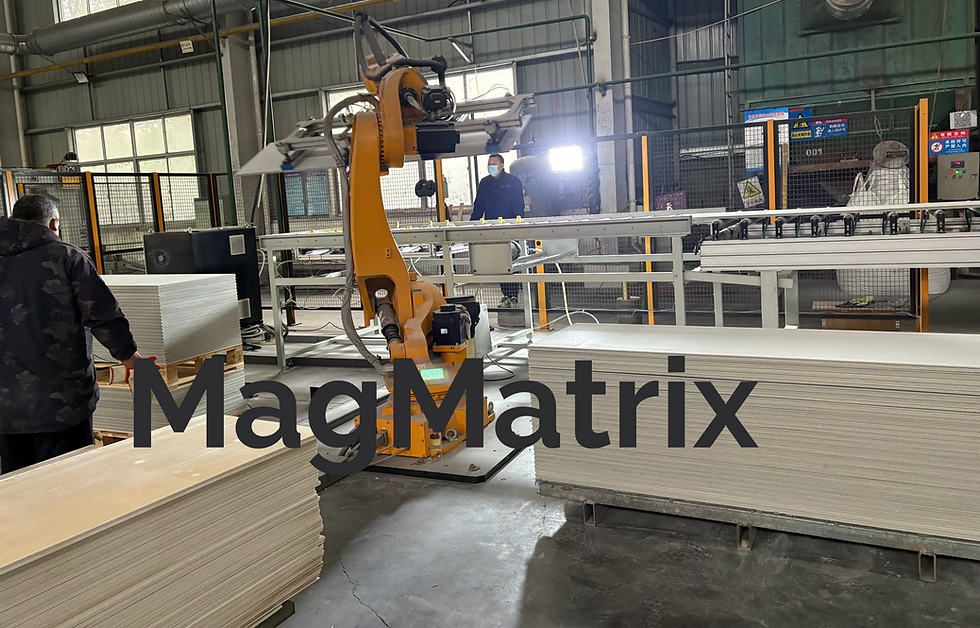
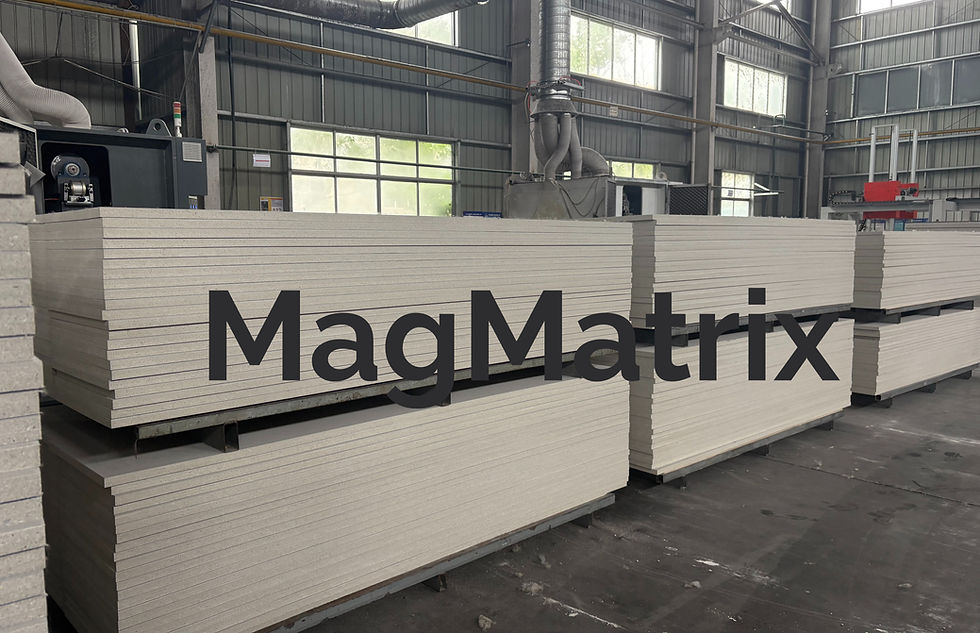
MgO boards are emerging as one of the best cement board alternatives you can find today. These engineered panels combine magnesium oxide with non-organic minerals and fiber mesh composites. The results are impressive when you look at their performance in different applications.
MgO Boards Key Features
These boards shine because of their tough resistance properties. They won't burn and can withstand temperatures up to 1200°C. You'll find they stay stable in wet conditions too. Their non-organic core won't swell, warp, or get soft.
MgO boards pack some serious strength. They beat Portland cement in flexural strength and hold fasteners better. A half-inch MgO board can support more than 350 psf in shear, and its fasteners resist pulling out with over 150 lbs of force.
These boards work great as cement board alternatives because they're light yet tough. This cuts down on work time and setup costs. The boards don't have any cellulose, so mold and fungi can't grow on them.
MgO Boards Pros and Cons
Pros:
· Great with moisture - absorbs less than 10% water after two hours underwater
· Safe materials - no asbestos, formaldehyde, or VOCs
· Stays in shape under wind and fastener stress
· Earth-friendly production with low carbon footprint
· Recyclable and reusable, so less waste goes to landfills
Cons:
· Costs more upfront than regular materials
· Needs attention during wet-dry cycles
· Weighs more than some options but less than cement board
MgO Boards Pricing
You'll pay between $1.50 and $3.50 per square foot for MgO boards. This puts them in the middle range at $10.00–$14.00 per m². The price tag is higher than gypsum boards ($0.50-$1.00 per square foot), but the value shows up over time.
Look at a 20-year period, and MgO boards save you 25–40% compared to fiber cement boards. This happens because they need less upkeep and fewer replacements.
Best Use Cases for MgO Boards
MgO boards really prove their worth in specific spots. They're perfect for areas with fire risks because they resist flames so well. Bathrooms, kitchens, and outside walls love these panels because they handle moisture like champions.
You can use them almost anywhere - walls, ceilings, and floors. Beach houses and humid areas are where these boards really shine. They laugh off mold, mildew, and salt damage way better than regular options.
Projects that need protection from both moisture and fire while keeping maintenance costs down will find MgO boards are the way to go. They stand out as one of the most practical cement board options you can get today.

Fiber Cement Boards
Fiber cement boards have been a reliable building material choice for over 40 years. These versatile panels emerged as asbestos-free alternatives that combine cement, sand, and cellulose fibers to deliver outstanding performance.
Fiber Cement Boards Key Features
These boards show exceptional strength and can handle high stress levels without cracking or breaking. The panels stay stable even as weather changes, with minimal size changes during temperature swings.
The National Fire Protection Association rates fiber cement boards as non-combustible, making them remarkably fire-resistant. A real-world example shows how a home with fiber cement siding survived while nearby fire trucks burned in a blaze.
The boards resist water damage and won't rot, swell, or warp from moisture exposure. Keep in mind they're water-resistant but not waterproof. You can add waterproofing with liquid sealants or special membranes.
Fiber Cement Boards Pros and Cons
Pros:
· Last 50-100 years with amazing durability
· Stop insects, termites, and other pests
· Stand up to harsh weather, including coastal salt spray
· Block sound with ratings between 40-50
· Need less maintenance than wood or vinyl
Cons:
· Cost more upfront than options like gypsum boards
· Need special tools and expertise to install
· Weigh more - about 300 pounds per 100 square feet
· Need repainting every 15 years
Fiber Cement Boards Pricing
A complete installation costs $5 to $14 per square foot. Materials alone run $0.70 to $5 per square foot, and labor adds $2 to $8 per square foot.
A typical 1,500-square-foot home with basic architecture needs about $13,000 for fiber cement siding. The price tops vinyl siding ($3-$12 per square foot), but the longer life and lower maintenance make it worth considering.
Best Use Cases for Fiber Cement Boards
These boards shine as external cladding thanks to their weather resistance and durability. They work great as a base for bathroom and kitchen tiles where moisture protection matters.
Their fire resistance makes them perfect for fire-rated walls, while their sound-blocking qualities benefit multi-family homes. You can use them inside and outside, unlike regular drywall, making them versatile for homes and businesses.
Homeowners love how these boards can look like wood, stone, or concrete while performing better in tough conditions.
Foam Boards
Foam boards have changed the game in construction as a lightweight alternative to cement boards that provides great insulation. These versatile panels are made from polystyrene or polyurethane foam and weigh much less than traditional options while offering several advantages.
Foam Boards Key Features
The closed-cell structure of foam boards stops water from getting in, which makes them perfect for bathrooms and kitchens. They help keep indoor temperatures stable with their excellent thermal resistance and improve energy efficiency. The boards stay dimensionally stable whatever the humidity or temperature changes, so tiles don't come loose over time.
You can cut foam boards with simple tools, unlike cement-based products. This means no harmful dust particles that you'd get with cement or fiberglass. While they're lightweight, these boards are surprisingly strong. Extruded polystyrene foam gives an R-value of 3.5 to 6 per inch of thickness.
Foam Boards Pros and Cons
Pros:
· Much lighter than cement boards, which cuts down on labor costs and installation time
· Great at resisting moisture thanks to their closed-cell structure
· Excellent thermal insulation that saves energy
· Dampens sound - perfect for multi-story homes or shared walls
· Simple to cut, move and install without special tools
Cons:
· Not as strong as cement-based boards and sometimes needs extra support
· Can only hold light to moderate weights up to 1.5 kg
· Doesn't hold up well outdoors for long periods
· Needs careful handling to avoid damage
Foam Boards Pricing
Foam boards are one of the most affordable cement board alternatives you can find today. Prices typically run from $0.98 to $3.50 per square foot. This makes them a budget-friendly choice compared to fiber cement boards. The combination of low cost, quick installation, and energy savings makes these boards an attractive option for many projects.
Best Use Cases for Foam Boards
We see foam boards work best as insulation for walls, floors, and ceilings where their heat-resistant properties really shine. They make an excellent underlayment for tile installations by creating stable, flat surfaces that keep tiles from moving and cracking. The boards also do a great job at cutting down noise between rooms.
These versatile panels also work as moisture barriers to prevent water damage and mold. Their light weight and easy cutting make them ideal for custom projects like shower niches, benches, and curved walls.
Gypsum Board Alternatives
Mat-faced gypsum boards have become popular alternatives to cement boards. These innovative panels blend familiar gypsum properties with better performance features that make them a great choice for many uses.
Gypsum Board Alternatives Key Features
Modern gypsum board alternatives use fiberglass mat facings instead of paper. This design helps them handle moisture and temperature changes better. The coated mat facer works well with adhered roof membranes. Tests show that roof systems with mat-faced gypsum boards can withstand wind uplift up to 285psf, while cementitious boards reach 270psf.
These boards are great at resisting fire. Their core has about 21% chemically combined crystallized water. This water turns to vapor during fires and absorbs heat energy. The exterior-grade boards meet A1 classification under EN 13501-1 and are non-combustible according to ASTM E136 standards.
Gypsum Board Alternatives Pros and Cons
Pros:
· Much lighter, which makes moving and installing easier
· Cuts cleanly with regular tools without dangerous dust
· Works well with many membranes and roofing options
· Better vertical pull-through resistance helps with wind uplift
· Flexible enough to handle both moving and static loads
Cons:
· Not as good as cement-based products in direct weather
· Needs proper building design to work best
· Less durable than fiber cement boards in some cases
· Needs extra waterproofing in very wet areas
Gypsum Board Alternatives Pricing
Mat-faced gypsum boards cost less than other cement board options for both materials and installation. Regular gypsum boards cost between $0.50-$1.00 per square foot. The specialized exterior-grade mat-faced versions run $1.00-$2.50 per square foot.
Best Use Cases for Gypsum Board Alternatives
Mat-faced gypsum boards work best as bases for EIFS and cladding systems. Data centers and biotech facilities choose them to reduce downtime risks. Airports and factories use these boards to improve sound control. Projects that need quick completion and cost savings while maintaining moisture resistance will find these boards better than traditional cement boards.
PVC Panels
PVC panels are a great choice for homeowners who want waterproof and low-maintenance building solutions instead of cement boards. These versatile panels made from polyvinyl chloride fix many problems of traditional materials and help you save money too.
PVC Panels Key Features
The waterproof nature of PVC panels makes them perfect for areas with high moisture. Water can't seep into their smooth, non-porous surface, which means no moisture damage. These panels last a very long time - up to 100 years.
High-quality PVC panels come with Class-1 fire resistance and protect for about an hour during emergencies. You'll save time and money during installation thanks to their lightweight design and tongue-and-groove system. The savings can reach 50% compared to regular paneling systems.
These panels also work great as insulators. Nothing gets through their non-porous surface - not air, water, or light. This creates an energy-efficient space that's easier on your heating and cooling systems.
PVC Panels Pros and Cons
Pros:
· Waterproof and perfect for wet spaces
· Very durable and resists impacts, mold, and mildew
· Need almost no upkeep - just wipe them occasionally
· Light enough for DIY projects
· Better hygiene with non-porous, smooth surface
Cons:
· Costs more upfront than paint (but saves money long-term)
· Can't hold much weight when used on ceilings
· PVC production raises some environmental concerns
· Natural materials look better in some cases
PVC Panels Pricing
PVC panels cost less than cement boards in the long run. A standard 4'×8' panel costs about $83.58, while FRP materials with backer boards and adhesives cost $116.00. Prices usually range from $0.98 to $3.50 per square foot. High-end options like Trusscore Wall&CeilingBoard cost between $2.75 and $3.75 per square foot.
Best Use Cases for PVC Panels
Bathrooms, kitchens, and laundry rooms are perfect spots for PVC panels because they handle moisture so well. They work great in wet climates and keep 80-85% of their color even after sun exposure.
Businesses like car washes, food processing plants, and dog kennels use these panels because they're hygienic and easy to clean. The panels also work well for bathroom and ensuite ceilings because they're light but tough.
PVC panels might not look as nice as natural materials in some places, but their practical benefits and good value make them a smart alternative to hardie board in homes and businesses.
Plywood Panels
Plywood is an economical alternative to cement board in many construction projects. The manufacturing process involves gluing thin sheets of wood veneer together. This creates a versatile material that's both strong and flexible for different building needs.
Plywood Panels Key Features
The cross-laminated construction of plywood creates an exceptional strength-to-weight ratio and dimensional stability. Wood veneers are glued together with alternating grain patterns. This process helps distribute weight evenly across the surface. The material handles both compressive and lateral loads well. Exterior-grade varieties resist environmental factors impressively. Some types come with special coatings to improve moisture resistance or add fire protection.
Plywood Panels Pros and Cons
Pros:
· Much cheaper than cement board alternatives
· Great strength-to-weight ratio for structural applications
· Works with standard tools for cutting, shaping, and installation
· Comes in multiple grades for different applications
· Helps protect the environment by reducing wood waste
Cons:
· Can get damaged by moisture without special treatment
· Changes size with humidity fluctuations
· Tiles and grout might crack when used as substrate
· Doesn't work well with modern latex-based thinset mortars
· Needs extra waterproofing in wet areas
Plywood Panels Pricing
Plywood stands out as the budget-friendly option among cement board alternatives. A standard sheet costs between $10-$28, depending on its thickness and grade. Most projects end up spending about $0.70-$3.50 per square foot. This makes plywood 30-40% cheaper than cement board options.
Best Use Cases for Plywood Panels
Plywood works best in interior projects like cabinets, furniture, and decorative wall paneling. It makes a reliable subfloor in dry areas when installed at the right thickness. Builders use exterior-grade plywood for wall sheathing and roof bracing. The material serves as a practical hardie board alternative in areas without moisture issues. This balance of economy and performance makes it ideal for many applications.
DensShield Tile Backer
DensShield stands out as a unique cement board alternative from Georgia-Pacific's branded tile backer solutions. The product's special design tackles many common waterproofing issues that come up during tile installations.
DensShield Key Features
The core design uses moisture-resistant treated gypsum with fiberglass mats on both sides. A gray heat-cured acrylic coating makes this product special. The coating works as a built-in moisture barrier, so you won't need extra waterproofing layers. This smart design blocks moisture right at the surface to protect your tile installation and wall cavity.
DensShield weighs about 30% less than leading cement board brands at 1/2" thickness. You can score and snap it with a standard utility knife, which makes installation quick and easy.
DensShield Pros and Cons
Pros:
· Built-in acrylic moisture barrier protects the wall cavity without extra vapor barriers
· Perfect score of 10 in ASTM D3273 mold resistance testing
· Weighs less and handles easier than cement boards
· Comes in 4'×8' sheets, unlike many cement boards, which means fewer seams
Cons:
· Gypsum core might have more moisture issues than cement board
· You need to seal fastener heads and joints with quality caulk
· Not good for commercial saunas, steam rooms, or places hotter than 125°F
DensShield Pricing
DensShield costs about the same as cement backers, making it an economical choice. It might cost a bit more than standard greenboard, but its better moisture protection makes it worth the investment. This becomes clear when you think about how expensive it is to redo failed tile installations.
Best Use Cases for DensShield
DensShield works great in bathrooms, showers, and kitchens where moisture levels are high. You can also use it for residential and light commercial floors. Tests show it even works in residential steam rooms if installed correctly.
Tile experts back this up. One consultant calls DensShield his "first choice due to ease of installation, cost, and worker preference".
Metal Siding Panels
Metal siding panels serve as an industrial-strength alternative to cement board that combines exceptional durability with modern esthetics. These versatile exterior wall coverings protect buildings and enhance their visual appeal through various shapes, sizes, and finishes.
Metal Siding Panels Key Features
Steel, aluminum, copper, zinc, or tin make up most metal siding panels, with steel and aluminum being the most popular options. The panels fit together like puzzle pieces and overlap to create a continuous surface. These panels can last over 50 years when properly cared for. The panels' recyclable nature makes them one of the most environmentally responsible construction materials. Today's options include corrugated sheets, flat-seam panels, and standing seam designs that create unique visual effects.
Metal Siding Panels Pros and Cons
Pros:
· Exceptional durability with resistance to fire, rot, and insects
· Simple cleaning is all that's needed for upkeep
· Complete protection from termites and carpenter ants
· Excellent protection against harsh weather conditions
· 100% recyclable, supporting environmentally responsible building
Cons:
· Prone to denting from impacts and scratching
· The original cost is higher than other options
· Heat flows through rather than stays trapped due to poor insulation
· Steel types rust quickly near the coast
· You need experts to install them properly
Metal Siding Panels Pricing
Materials alone for metal siding panels cost between USD 8.00-12.00 per square foot. Simple steel panels range from USD 8.00-10.00, while premium panels with coatings cost USD 10.00-12.00. Custom architectural panels cost more than USD 12.00 per square foot. Installation adds USD 5.00-10.00 per square foot. Aluminum and steel siding costs about USD 12.50 per square foot, while copper costs around USD 35.00 per square foot.
Best Use Cases for Metal Siding Panels
Metal siding panels work best in areas with extreme weather. They shine in fire-prone regions because they won't burn. Commercial buildings benefit from their low maintenance needs. Buildings in humid areas where wood might rot stay protected with these moisture-resistant panels.
Engineered Wood Panels
Engineered wood panels have gained popularity as a cement board alternative because they offer an impressive mix of strength and environmental responsibility. Manufacturers create these composite materials by binding wood strands, fibers, or veneers with adhesives under heat and pressure.
Engineered Wood Panels Key Features
Cross-laminated construction gives these panels exceptional dimensional stability and an impressive strength-to-weight ratio. The panels use fast-growing softwoods or responsibly managed hardwoods, which helps protect old-growth forests. Their uniform composition lets manufacturers produce them in standard sheets or custom dimensions of all sizes.
Engineered Wood Panels Pros and Cons
Pros:
· Excellent tensile strength and durability
· Stands up to weather better than traditional materials
· Creates less waste during manufacturing, making it eco-friendly
· Cuts construction time in half because it's easy to work with
· Supports environmentally responsible building since it's recyclable
Cons:
· Special treatment needed to prevent moisture damage
· Costs more upfront than some alternatives
· Proper installation prevents early wear and tear
· Some varieties can be heavy and tough to handle
Engineered Wood Panels Pricing
The cost ranges from $0.70-$3.50 per square foot based on type and quality. These panels cost about 40% less than cement boards but more than standard plywood.
Best Use Cases for Engineered Wood Panels
These adaptable panels work great for interior projects like cabinets and wall paneling. Their strength makes them perfect for floor framing where builders need lightweight yet durable materials. Residential and light commercial buildings benefit from these panels' consistent quality when used as structural elements.
Composite Siding Panels
Composite siding blends wood fibers, resins, and binding materials to create an exceptional cement board alternative. It looks like natural wood but needs much less maintenance. These innovative panels make homes look great and perform well.
Composite Siding Panels Key Features
The unique mix of materials makes composite siding highly durable against weather elements. Studies show that its wood-plastic hybrid construction prevents warping and rot - common problems with traditional materials. Most products come with a protective cap that blocks UV damage, which helps maintain the appearance for decades. The material also adds insulation to your home's thermal envelope. This can cut utility bills by 15-20%.
Composite Siding Panels Pros and Cons
Pros:
· These panels last 30-50 years
· They resist moisture without absorbing it
· You only need to clean them occasionally
· They come in many colors, textures, and styles
Cons:
· They cost more upfront than other options
· Making them uses lots of energy
· The panels weigh more than vinyl or aluminum siding
· Some types might fade as time passes
Composite Siding Panels Pricing
A typical 1,500-square-foot home needs $5,000-$25,000 for composite siding installation. Materials cost between $5.00-$10.00 per square foot. Complete installation runs from $12.00-$20.00 per square foot. The total project for an average home typically costs between $14,000-$30,000, depending on specific conditions.
Best Use Cases for Composite Siding Panels
These panels work best in areas with harsh weather where their moisture resistance and durability stand out. Homeowners in termite-prone regions benefit from the material's natural pest resistance. The panels also protect coastal homes from salt spray and humidity effectively. Houses in extreme temperature zones get extra insulation value, which helps with energy efficiency.
Shiplap Boards
Shiplap boards add rustic charm to modern homes and serve as a stylish cement board alternative. These wooden panels come with a rich history in barn and shed construction. Each board features special grooves (rabbets) cut into the top and bottom edges that create overlapping joints. This design originally helped shed water and protected the wood's integrity.
Shiplap Boards Key Features
Shiplap's signature rabbet joint design creates a beautiful overlapping effect between boards. You'll notice characteristic seams that not only look appealing but also guard against moisture. Real shiplap isn't just for show - its overlapping design kept weather out in the past. The boards now come in different wood types and work well with many design styles.
Shiplap Boards Pros and Cons
Pros:
· Changes ordinary walls into stunning features in living rooms, kitchens, and bathrooms
· Pine shiplap costs less than $200 to cover a 10×10 foot area
· DIY enthusiasts find installation straightforward
· Staining or painting options match almost any décor style
Cons:
· Dust builds up in gaps between boards and makes cleaning tough
· Incorrect installation can lead to warping or rot, especially in damp areas
· The look might clash with your home's overall design
· The interlocking design makes damaged board replacement difficult
Shiplap Boards Pricing
Solid wood shiplap in 2025 runs between $2.50-$10.00 per square foot based on wood choice. Pine remains the budget-friendly choice at $2.00-$4.00 per square foot. Cedar costs more at $5.00-$7.00 per square foot but resists rot and insects naturally. People love reclaimed wood shiplap for its character and eco-friendly appeal, though it costs $9.00-$15.00 per square foot. A professional installer will charge an extra $1.00-$4.00 per square foot.
Best Use Cases for Shiplap Boards
Accent walls really show off shiplap's talent for adding depth and visual interest. The material looks stunning on ceilings where it brings architectural detail to life. Designers love using shiplap around fireplaces, in entryways, and as kitchen backsplashes. The boards work great in bathrooms too, but you'll need proper sealing to protect against moisture.
Wahoo Panels
Wahoo Panels are specialized cement board alternatives that excel in moisture-prone environments. Wahoo Composites LLC manufactures these prefabricated systems to provide complete solutions where traditional materials typically fail.
Wahoo Panels Key Features
These panels combine JetBoard brand Magnesium Oxide with Integrity EPS by Atlas R-13 panels. The aluminum track mounting system eliminates the need for perfectly framed walls. Each panel is 4 inches thick and weighs about 95 pounds, delivering an R-value of 13. The R-value jumps to R-15/16 in installations without studs. The panels' inorganic materials make them completely waterproof and resistant to mold.
Wahoo Panels Pros and Cons
Pros:
· Performs exceptionally in high-moisture, below-ground environments
· Resists mold growth effectively
· Pre-insulated design helps save energy
· Aluminum track system speeds up installation
Cons:
· Costs more than standard options upfront
· Panel weight (95 lbs each) makes DIY installation difficult
· Design changes become challenging after installation
Wahoo Panels Pricing
A set of five Wahoo panels covering 20 linear feet costs between $500-$550. This comes to about $27.50 per linear foot. Complete installations range from $1,000-$3,500.
Best Use Cases for Wahoo Panels
Basement finishing projects get the most value from these panels. They work great in bathrooms, kitchens, and spaces with high humidity. Areas below ground that struggle with moisture damage make ideal candidates for this solution.
Comparison Table
Material Type | Cost (per sq ft) | Key Advantages | Main Limitations | Best Use Cases | Typical Lifespan |
MgO Boards | $1.50-$3.50 | - Exceptional moisture resistance- Non-combustible- Non-toxic | - Higher original cost- Heavier than some alternatives | - High-risk fire zones- Moisture-heavy environments | 20+ years |
Fiber Cement Boards | $5-$14 | - Excellent durability- Fire resistant- Weather resistant | - Expensive installation- Requires specialized tools- Heavy | - External cladding- Tile substrate- Fire-rated partitions | 50-100 years |
Foam Boards | $0.98-$3.50 | - Lightweight- Excellent insulation- Easy installation | - Lower structural strength- Limited weight capacity | - Wall/floor insulation- Tile underlayment- Shower installations | Not mentioned |
Gypsum Board Alternatives | $1.00-$2.50 | - Lighter weight- Superior workability- Fire resistant | - Less weather resistant- Needs additional waterproofing | - EIFS substrates- Data centers- Biotech facilities | Not mentioned |
PVC Panels | $0.98-$3.50 | - Completely waterproof- Maintenance-free- Easy installation | - Higher original cost- Limited load capacity | - Bathrooms- Kitchens- Food processing facilities | Up to 100 years |
Plywood Panels | $0.70-$3.50 | - Affordable- Easy to work with- Good strength ratio | - Moisture sensitive- Expansion/contraction issues | - Interior applications- Subflooring- Wall sheathing | Not mentioned |
DensShield | Like cement board | - Built-in moisture barrier- Mold resistant- Lighter weight | - Gypsum core vulnerability- Temperature limitations | - Bathrooms- Showers- Kitchen installations | Not mentioned |
Metal Siding Panels | $8.00-$12.00 | - Exceptional durability- Maintenance-free- Weather resistant | - Vulnerable to denting- Poor insulation | - Harsh weather regions- Fire-prone areas- Commercial buildings | 50+ years |
Engineered Wood Panels | $0.70-$3.50 | - High strength- Environmentally friendly- Easy installation | - Moisture sensitive- Higher original cost | - Interior applications- Floor framing- Light commercial | Not mentioned |
Composite Siding | $5.00-$10.00 | - Long-lasting- Moisture resistant- Low maintenance | - High upfront cost- Heavy material | - Harsh weather regions- Coastal homes- High-humidity areas | 30-50 years |
Shiplap Boards | $2.50-$10.00 | - Visually appealing- DIY-friendly- Versatile design | - Dust collection issues- Moisture sensitive | - Accent walls- Ceilings- Fireplaces | Not mentioned |
Wahoo Panels | $27.50 per linear ft | - Waterproof- Mold resistant- Pre-insulated | - High original cost- Heavy panels | - Basements- High-humidity spaces- Below-ground areas | Not mentioned |
Conclusion
You don't need to break the bank when picking the right cement board alternative. This piece explores twelve practical options that deliver matching performance at much lower costs. MgO boards shine with their exceptional moisture resistance and fire-resistant properties. At $1.50-$3.50 per square foot, they cost nowhere near traditional cement board prices.
These alternatives do more than just save money. Foam boards excel at insulation, while PVC panels provide complete waterproofing with minimal upkeep. DensShield saves time and money during installation by eliminating extra waterproofing layers.
The eco-friendly angle makes many of these alternatives even more attractive. Metal siding's 100% recyclability supports green building practices. Engineered wood panels reduce the strain on old-growth forests and still perform excellently.
Your project's specific needs should shape your choice. MgO boards or PVC panels work best in bathrooms and kitchens. Exterior projects might need composite siding or metal panels for their weather resistance and long life.
Our comparison table helps match your needs with the best material quickly. All but one of these alternatives will fit your needs, whether you care most about cost, durability, easy installation, or environmental impact.
These cement board alternatives have evolved to match or beat traditional options' performance while costing up to 40% less. This knowledge lets you pick the right material for your next construction or renovation project confidently. Your budget stays intact, and quality remains high.
Comments